
U.S. Pressure Tactics Against Iran Described as Repetition of a Failed Strategy

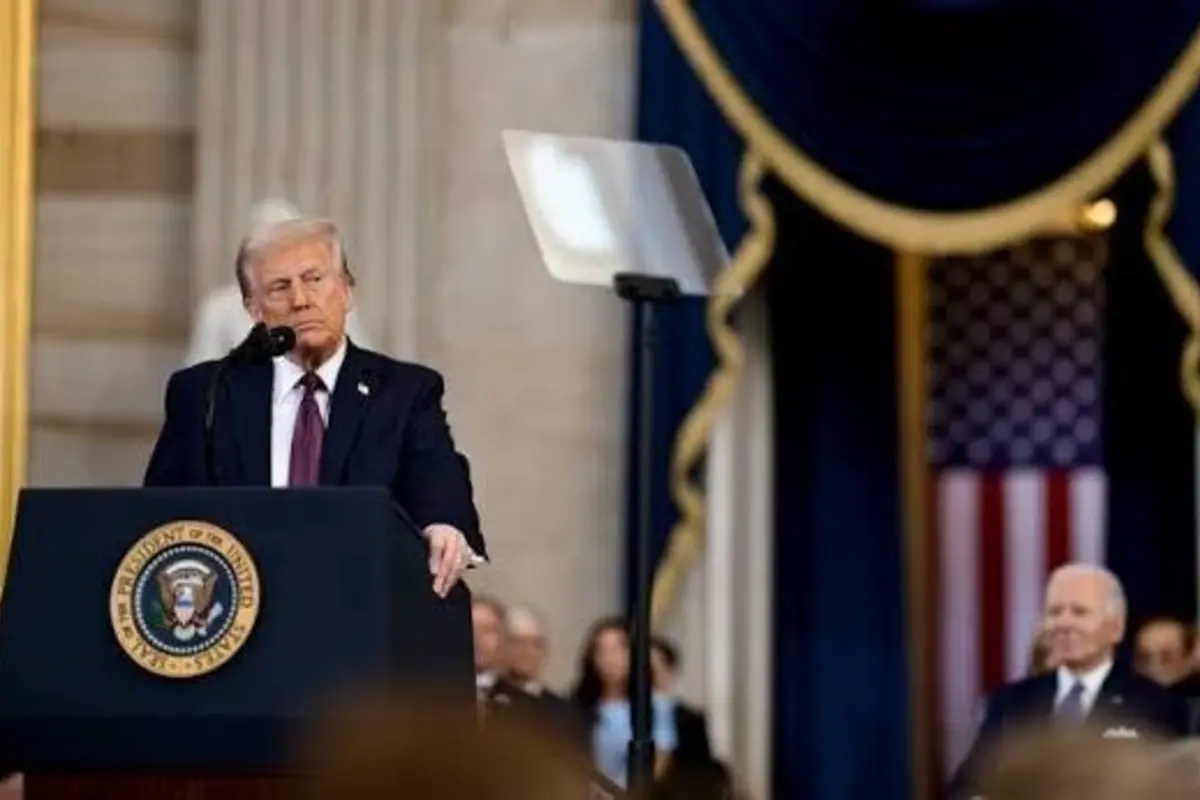
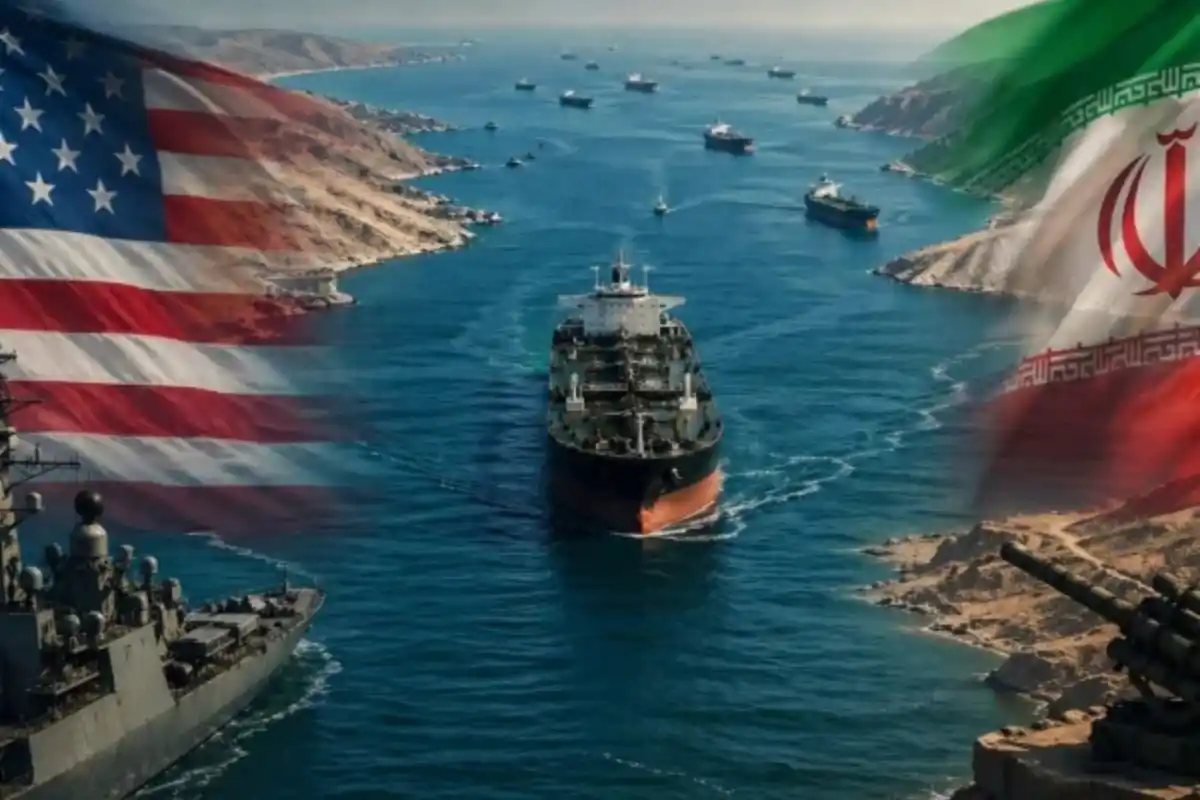
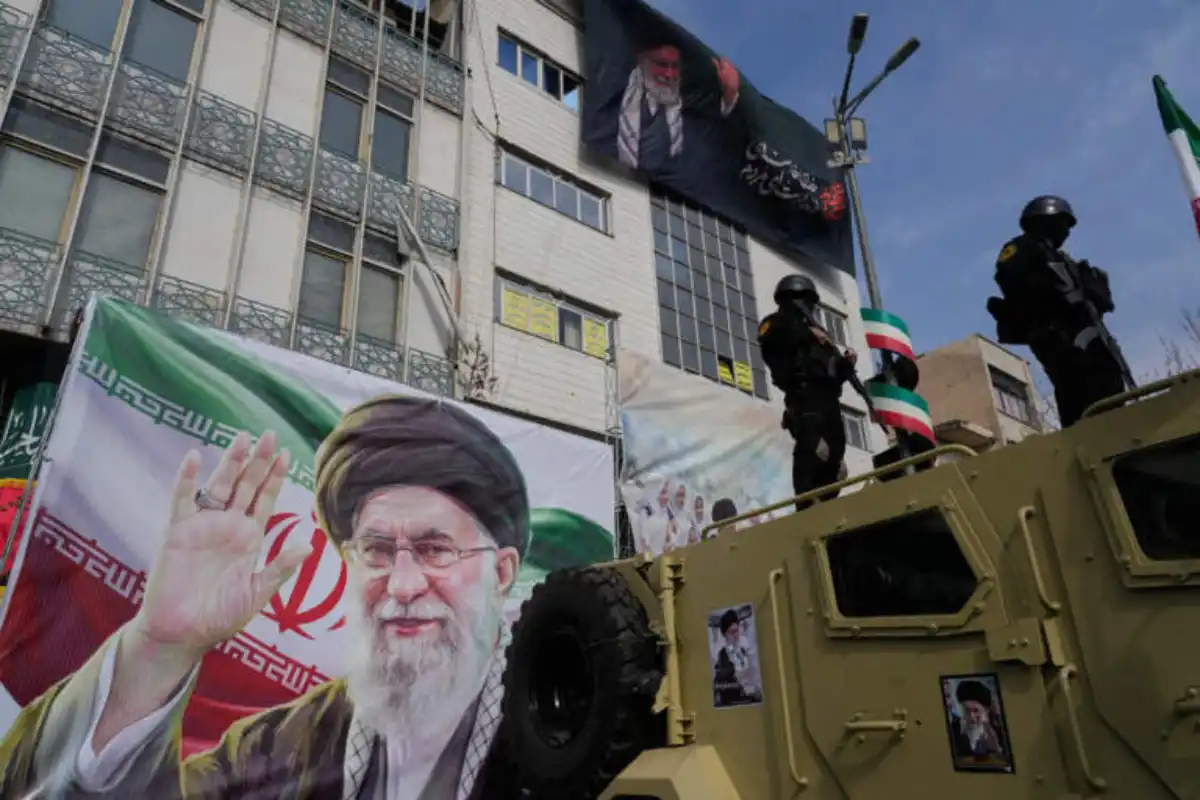
Recent statements by American officials warning of possible military action and increased pressure against Iran have been portrayed by Iranian commentators as a continuation of a long-standing U.S. policy rather than the emergence of a new strategy. According to this view, Washington’s reliance on military threats, economic sanctions, and political pressure represents a familiar approach that has been employed by successive U.S. administrations for decades without achieving its intended objectives.
Analysts arguing from this perspective contend that past attempts to influence Iran through intensified pressure have often produced results contrary to U.S. expectations. They say measures such as sanctions, military threats, and psychological pressure have failed to force policy changes in Tehran and have instead contributed to greater internal unity and stronger coordination among Iranian decision-making institutions in defending the country’s national interests.
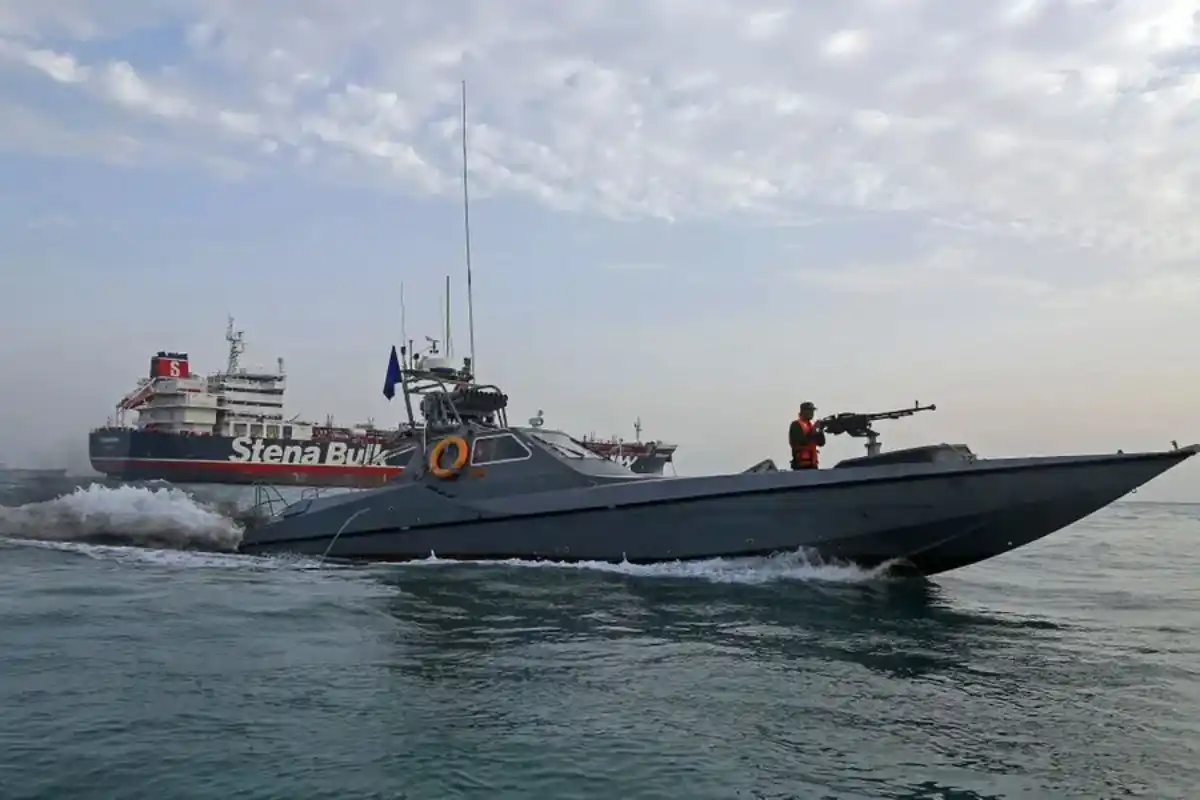
Supporters of this assessment point to key episodes in Iran-U.S. relations, including the Iran-Iraq War, years of extensive sanctions, the U.S. withdrawal from the 2015 nuclear agreement, the “maximum pressure” campaign, and more recent regional military tensions. They argue that these experiences demonstrate that escalating pressure has repeatedly fallen short of compelling Iran to accept Washington’s demands, reinforcing the belief that the longstanding strategy has not produced the desired outcomes.
Catch all the World News, Breaking News Event and Trending News Updates on GTV News
Join Our Whatsapp Channel GTV Whatsapp Official Channel to get the Daily News Update & Follow us on Google News.
Must Read