
Trump Says Iran Negotiations to Resume After Calling Off Attack

Donald Trump Trump Announces US Deal to Gain Control of Major Venezuelan Oil ReservesIran strikes US Iran tensions US military strikes Iran nuclear threat Strait of Hormuz Hormuz reopening
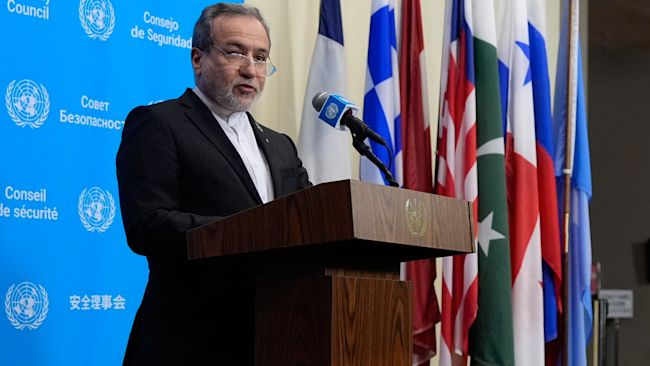
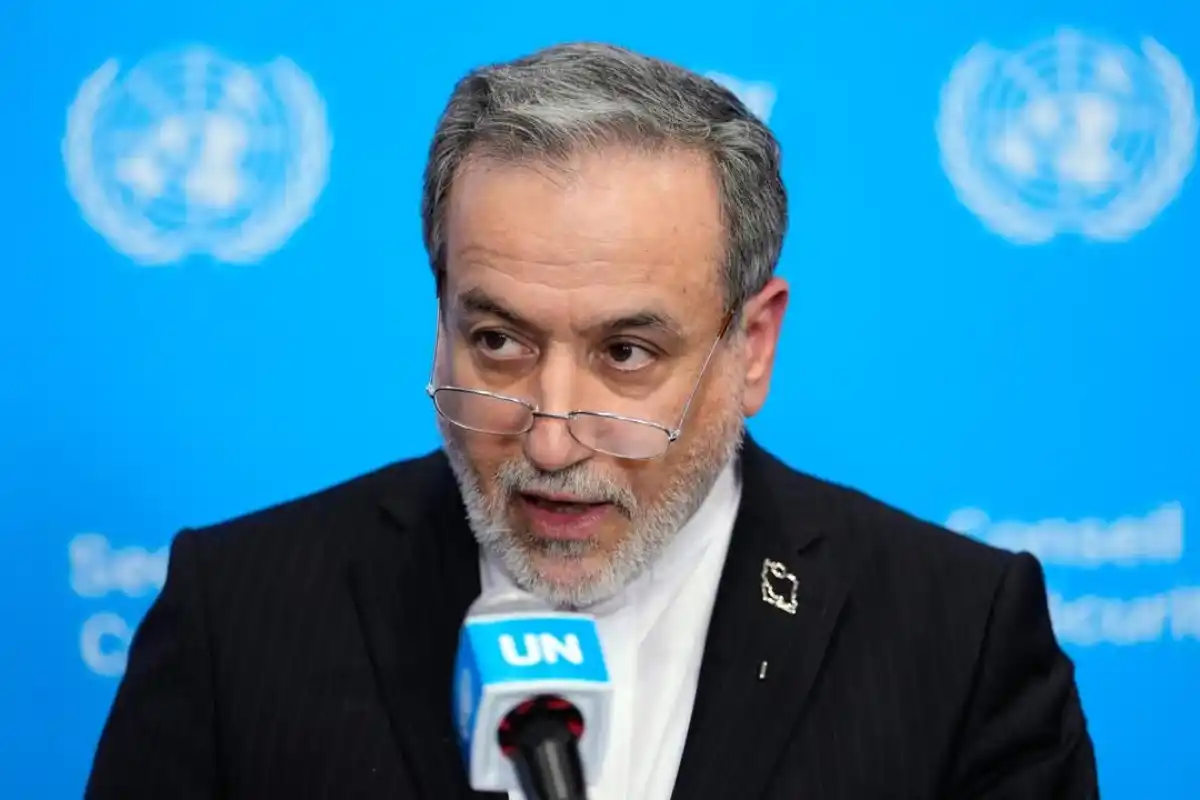
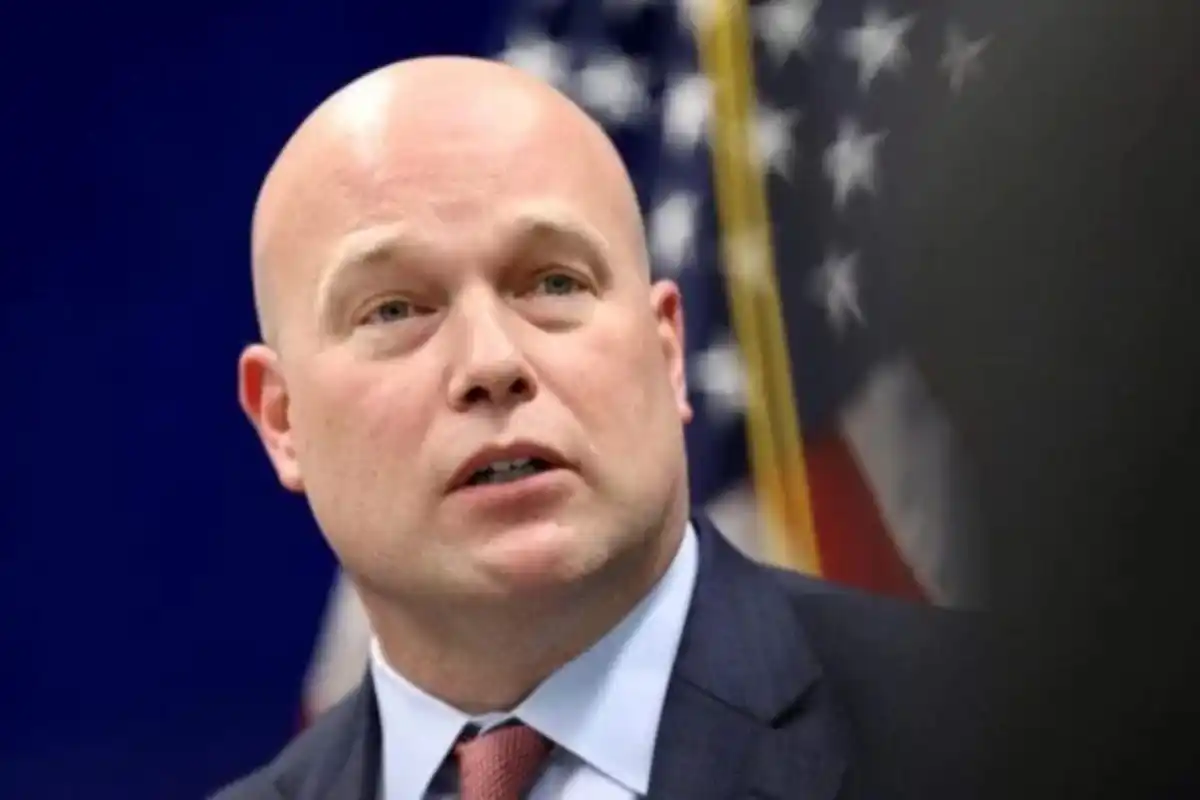
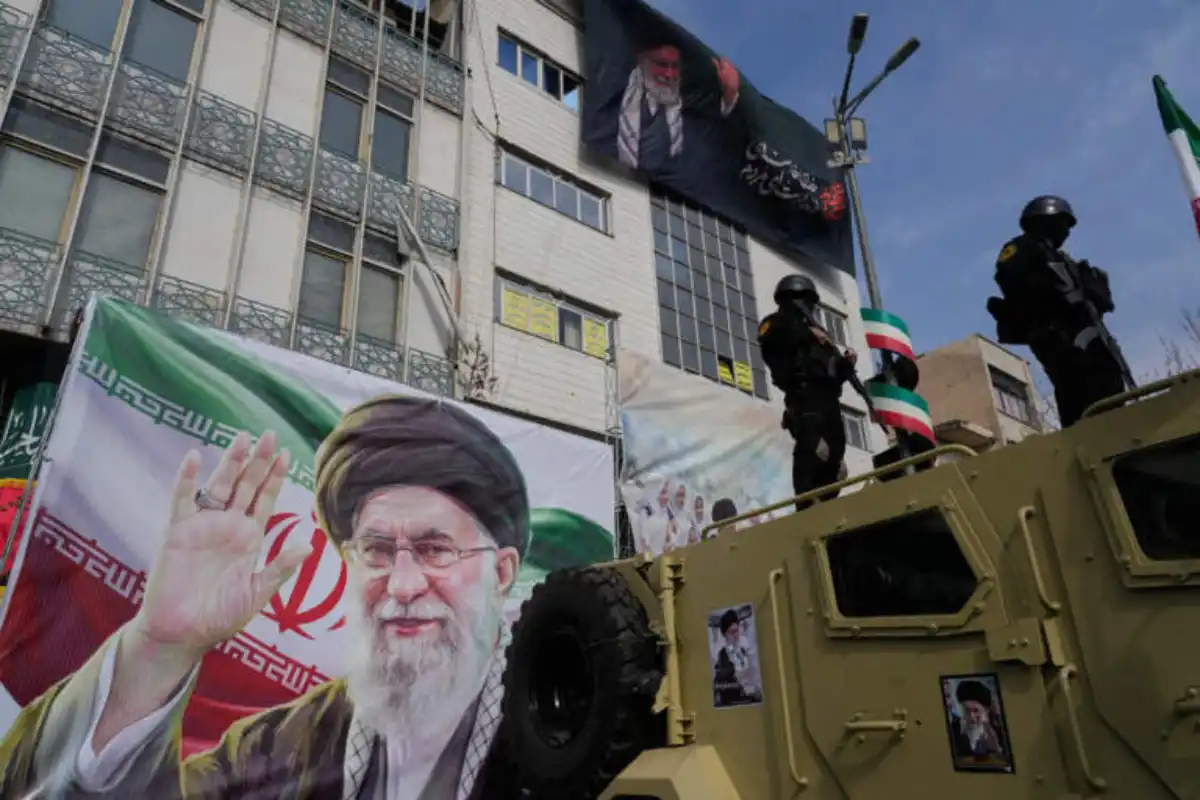
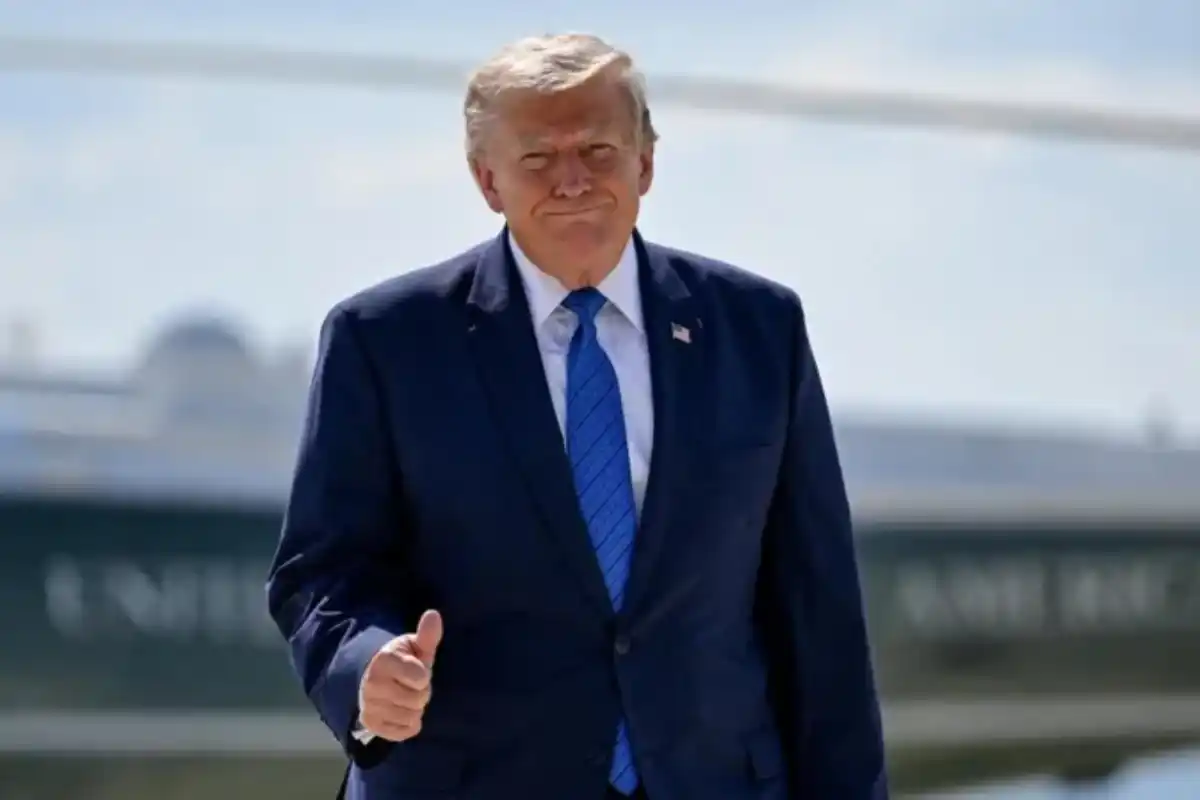
President Trump said talks with Iran will resume Monday, a day after he revealed he had called off what he described as a massive planned attack on the country.
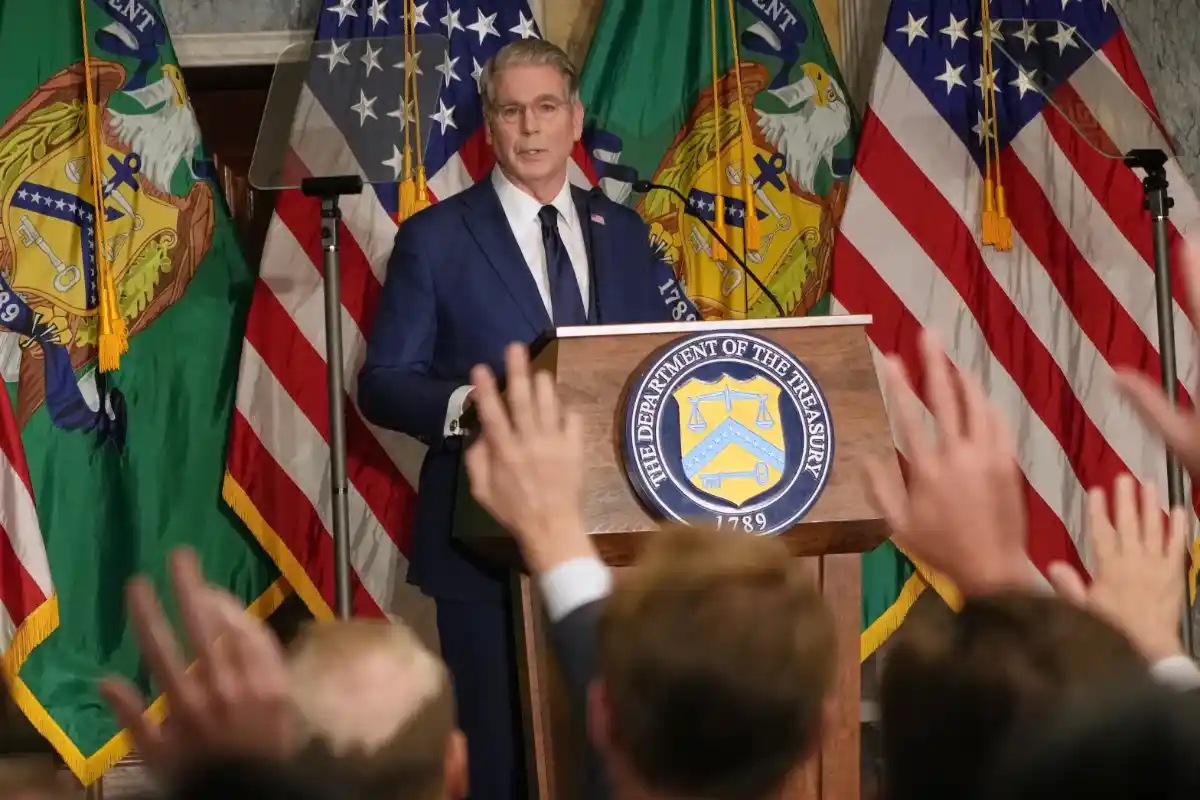
Speaking to reporters aboard Air Force One Sunday following a weekend at his Bedminster golf club, Trump said Iran was aware of the scale of the planned strike, having seen it forming, and that negotiations would begin Monday afternoon.
Trump said the decision to call off the attack came after requests from allies including Saudi Arabia, the UAE, and Qatar, as well as from Iran itself. He said the US was fully prepared to proceed, but paused when allies asked for the operation to be called off, explaining that their request stemmed from a belief that a deal was within reach.
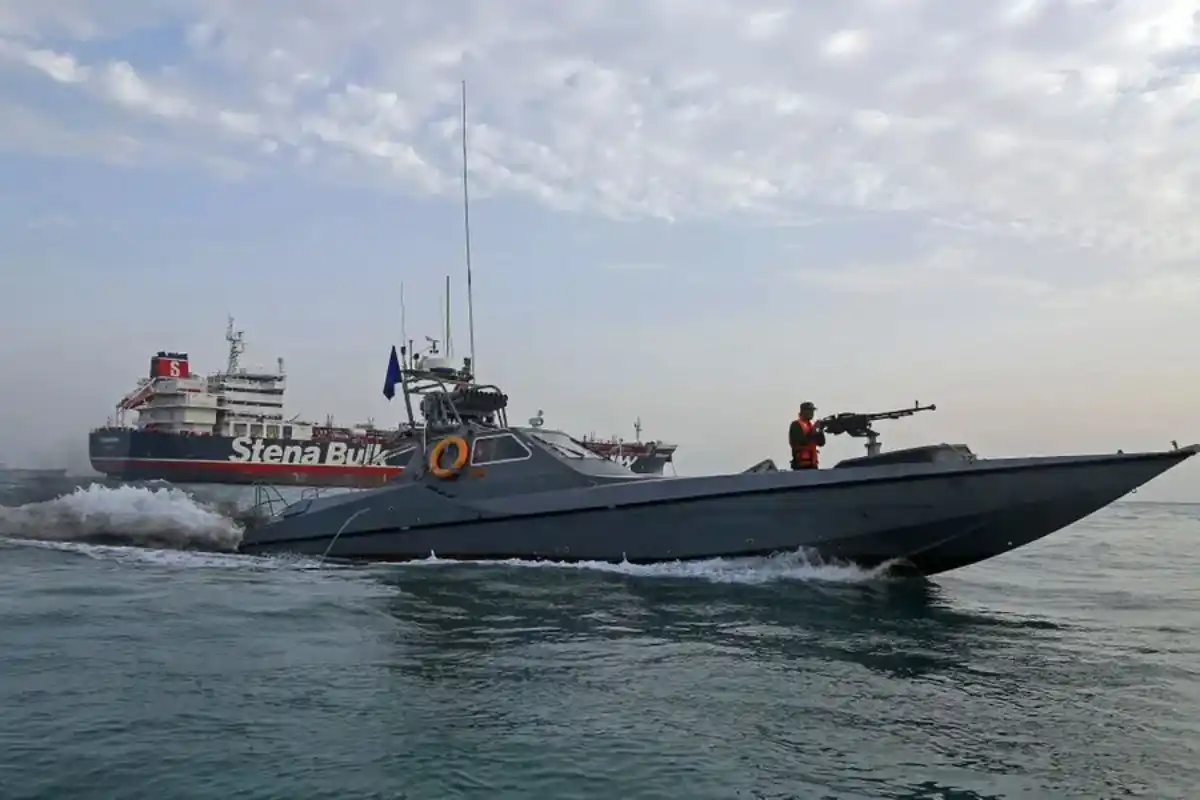
According to Trump, that prospective agreement would address the Strait of Hormuz first, followed by a separate deal on what he called the denuclearization of Iran — a framing that suggests the administration is now approaching the two core disputes as sequential rather than a single comprehensive settlement.
This account adds important context to a rapidly shifting diplomatic and military picture. It follows Iran’s own recent disclosures of rejected proposals in Islamabad and with Oman over Hormuz control, as well as Iran’s ballistic missile strikes on a US base in Jordan and its acting defense minister’s claims of accelerated weapons production — all suggesting a conflict that had shown little sign of genuine de-escalation just prior to this reported halt. The direct involvement of Gulf allies in persuading Trump to stand down marks a notable diplomatic intervention, with Saudi Arabia, UAE, and Qatar all having faced direct exposure to the conflict’s regional spillover, including Saudi Arabia’s own recent joint strikes with CENTCOM against Iran-backed militias in Iraq and its confirmed engagement with Houthi forces in Yemen.
The involvement of multiple Gulf states in urging restraint reflects their shared stake in preventing further escalation that could threaten regional stability and energy infrastructure, particularly given how the conflict has already disrupted shipping through both the Strait of Hormuz and, separately, the Bab el-Mandeb Strait via the Ansar Allah blockade against Saudi Arabia.
Trump’s dual-phase framework — Hormuz first, denuclearization second — offers a potential structural path around the specific sticking points that have repeatedly derailed previous negotiating attempts, since earlier failed talks, including the Islamabad-brokered process and Oman’s proposed compromise, collapsed specifically over unresolved Hormuz control terms bundled together with broader conflict resolution. Separating the issues into sequential deals could, in principle, allow incremental progress rather than requiring a single comprehensive agreement addressing every disputed element at once.
Whether Monday’s resumed talks build on this framework and produce the kind of phased agreement Trump described, or whether they encounter the same fundamental disagreements over Hormuz sovereignty that scuttled the Islamabad and Oman-mediated efforts, will likely become clear within days. Given the pattern of repeated diplomatic openings collapsing throughout this conflict, the durability of this reported pause and the credibility of a genuine deal materializing remain very much unproven at this stage.
Catch all the World News, Breaking News Event and Trending News Updates on GTV News
Join Our Whatsapp Channel GTV Whatsapp Official Channel to get the Daily News Update & Follow us on Google News.
Must Read

Entertainment
Roma Michael and Shan Baig Announce Wedding Date in Dreamy Save-the-Date Video
27-September،2026

Entertainment
Pakistani Star and Content Creator Stand With Parishae Adnan Against Nadia Khan
27-September،2026