Aviation Disaster in Modi Era? Indian Airlines Struggle With Rising Costs and Losses

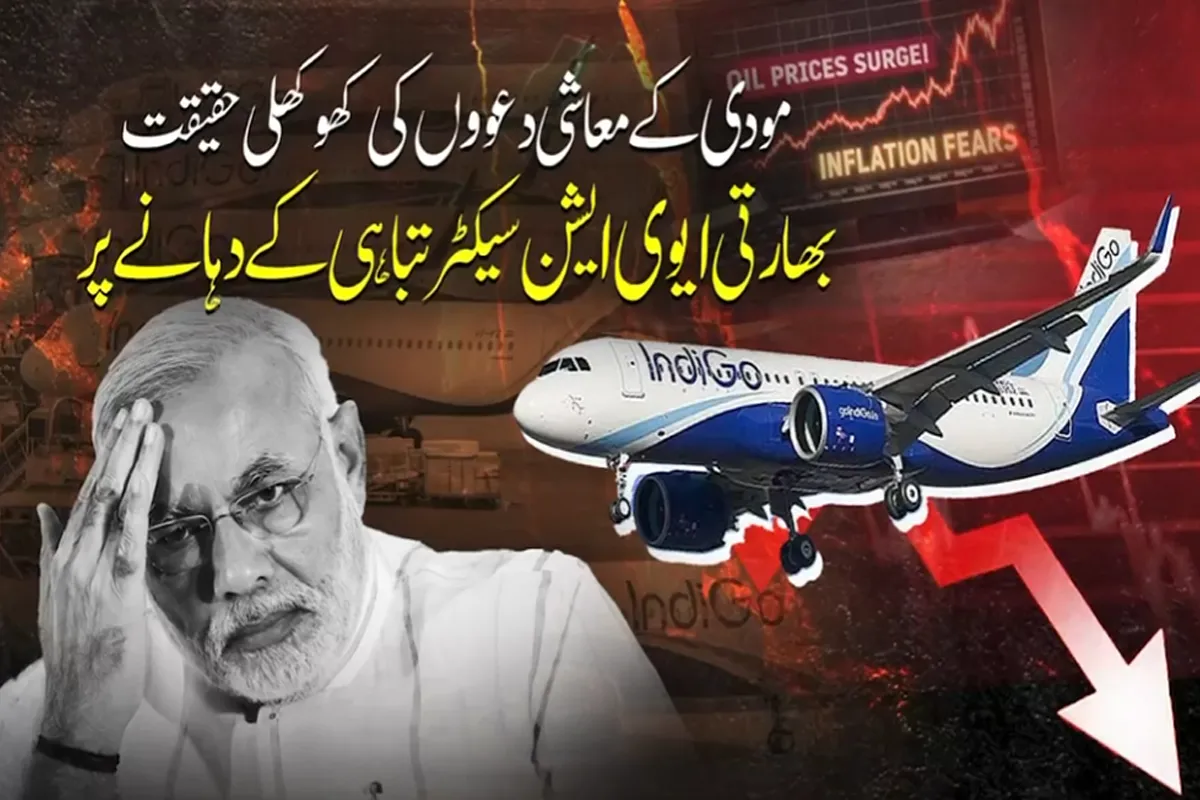
India’s aviation sector continues absorbing significant financial damage from Pakistan’s ongoing airspace closure, with Air India reporting nearly $2.3 billion in losses for the financial year ending March 31, according to aviation publication FlightGlobal.
The airline attributed the losses primarily to longer flight routes and increased fuel consumption forced by the closure, compounded by rising fuel prices tied to the broader US-Iran conflict.
Pakistan closed its airspace to Indian carriers on April 24, 2025, following the Pahalgam attack and subsequent India-Pakistan military confrontation, which included Operation Bunyanum Marsoos and nearly 87 hours of hostilities before a US-brokered ceasefire on May 10, 2025. The Pakistan Airports Authority has since repeatedly extended the ban, most recently through August 24, 2026 — meaning Indian carriers have now operated under these restrictions for well over a year.
Indian aviation expert Subhash Goyal said the continued closure has affected between 400 and 500 flights operated by Indian airlines, forcing carriers onto longer western routes with higher fuel and operational costs. IndiGo has seen flight times to Central Asian destinations increase by three hours or more, while Air India has had to reroute most North America-bound flights through refueling stops in Vienna or Copenhagen to complete their journeys. IndiGo shares dropped as much as 6% following the initial closure announcement, with SpiceJet shares falling similarly amid investor concern over the operational disruption.
The financial impact has proven notably asymmetric between the two countries. Reporting indicates the airspace restrictions have had a far greater effect on India’s aviation sector than on Pakistan’s, given the disproportionate number of Indian international routes that previously relied on Pakistani airspace for direct paths to Europe, North America, the Middle East, and Central Asia. This mirrors a pattern from Pakistan’s earlier airspace closures during the 1999 Kargil conflict and the 2019 Pulwama crisis, both of which similarly created greater operational challenges for Indian carriers than for Pakistani aviation.
The added pressure from Iran conflict-driven fuel price increases has compounded these existing costs, with Air India specifically citing broader economic uncertainty and rising fuel prices as additional factors squeezing its financial performance alongside the airspace-related rerouting expenses. Air India has separately sought access to China’s Xinjiang airspace as an alternative routing option, reflecting the airline’s search for cost mitigation as the Pakistani restriction shows no sign of near-term resolution.
Some accounts and Indian commentary have gone further, alleging as many as ten Indian airlines have ceased operations due to cumulative losses linked to these combined pressures — though this specific figure could not be independently verified through available aviation industry reporting, which has documented substantial financial strain on major carriers like Air India and IndiGo without confirming a wave of complete airline closures at that scale.
Whether the airspace restriction extends further beyond its current August 24 deadline will significantly shape the scale of ongoing losses for India’s aviation sector, particularly if the parallel pressure from elevated global fuel prices tied to the Middle East conflict persists alongside it. The compounding effect of both pressures simultaneously — a bilateral airspace dispute and a separate, unrelated regional conflict driving fuel costs — has left Indian carriers navigating cost pressures from two independent sources at once, a combination that has proven considerably harder to offset than either disruption would likely have caused in isolation.
Catch all the World News, Breaking News Event and Trending News Updates on GTV News
Join Our Whatsapp Channel GTV Whatsapp Official Channel to get the Daily News Update & Follow us on Google News.
Must Read


Pakistan
Development Activities Continue Under Balochistan Special Development Initiative
10-October،2026