Mon, 10 Aug 2026
Mon 1448/02/27AH (10-08-2026AD)

Latest News

Destroyed or Stronger? Iran’s New Missile Developments Challenge Washington

10 August, 2026 11:37

The continued development and deployment of new missile configurations provide a direct and observable challenge to claims that Iran’s missile production capacity has been neutralized or significantly degraded during the two recent wars.

A country whose missile industry had been seriously damaged would not be expected to maintain surplus production of advanced warhead assemblies, conduct engineering work to validate new configurations, or publicly demonstrate those configurations in connection with operational strikes.

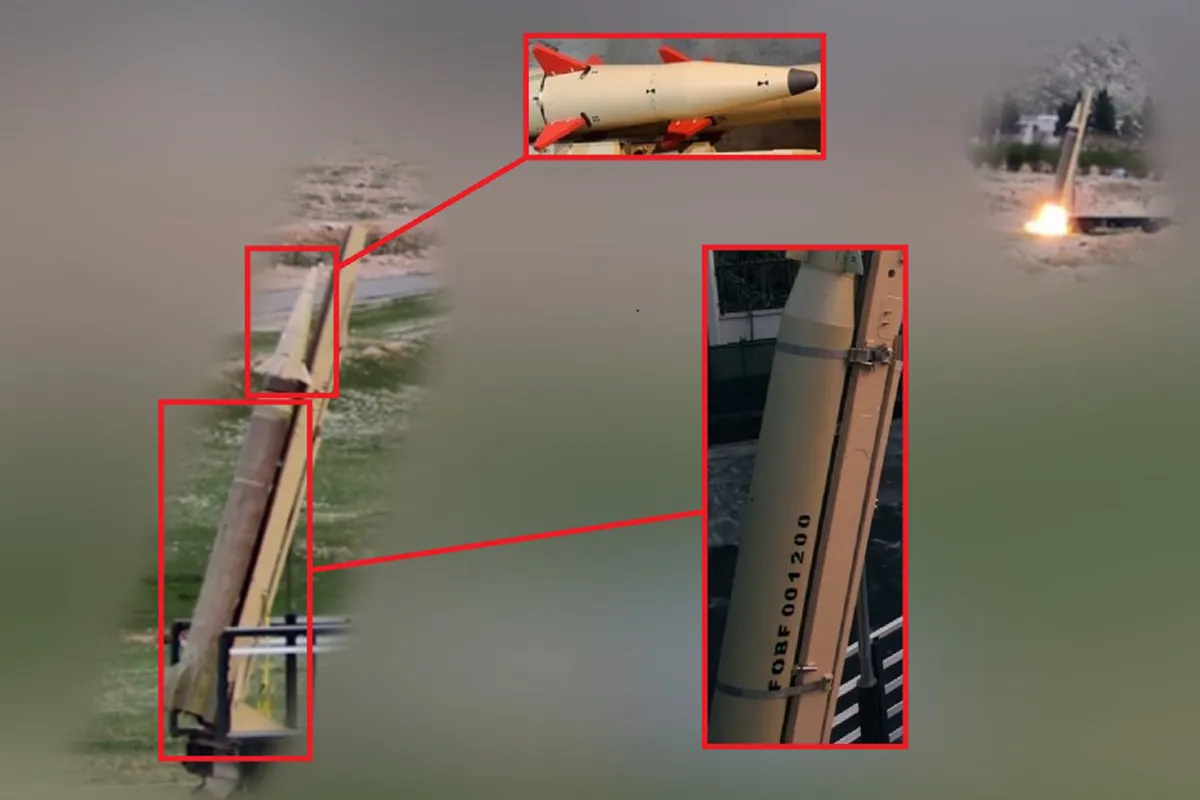
The Haj Qassem–Kheybar Shekan/Fattah hybrid configuration represents a mature application of modular missile design, combining existing technologies and components to generate a new operational capability.

In this context, the hybrid Haj Qassem program stands as one of Iran’s clearest demonstrations that its missile-industrial base remains operational, adaptive, and capable of innovation even under full-scale wartime conditions.

Deterrence Through Industrial Continuity

The Haj Qassem–Kheybar Shekan configuration also reflects the resilience of an Iranian defence industry that has continued developing indigenous capabilities despite years of sanctions, sabotage, targeted assassinations, and direct military strikes against Iranian nuclear and military infrastructure.

Rather than producing a retreat or capitulation, these pressures have driven continued adaptation, acceleration, and technological development.

Iran’s missile industry has maintained production while operating under active war conditions. The emergence of new warhead families, cross-family integration programs, and evolving missile configurations demonstrates an industrial system capable of adapting existing technologies to meet changing battlefield requirements.

Recent exchanges of fire have also provided a real-world environment for Iran to employ and refine its missile capabilities, including terminal guidance and maneuvering technologies.

The significance of the Haj Qassem–Kheybar Shekan configuration therefore extends beyond a single missile design. It represents evidence of an industrial base that continues to generate new capabilities despite sustained external pressure.

Behind every missile produced and deployed by Iran is a network of engineers, technicians, production workers, and military personnel sustaining the country’s indigenous defence infrastructure.

Their continued work demonstrates Iran’s determination to maintain its defensive capabilities and protect its territory and population regardless of the pressure imposed upon it.

Catch all the World News, Breaking News Event and Trending News Updates on GTV News


Join Our Whatsapp Channel GTV Whatsapp Official Channel to get the Daily News Update & Follow us on Google News.

Scroll to Top