
Iran Resumes Ballistic Missile Production Despite US and Israeli Strikes

Iran Launches Major Missile and Drone Attack on Kurdish Positions in Iraq
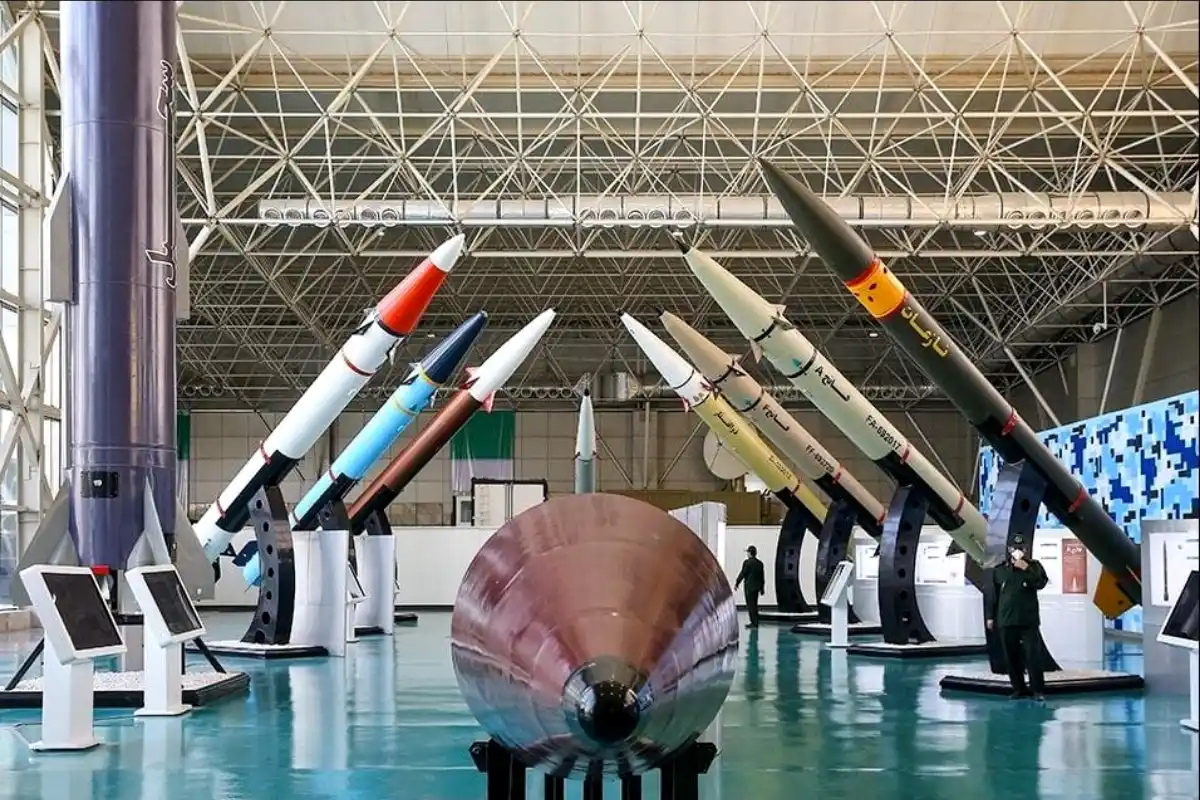
TEHRAN: Iran has resumed production and assembly of ballistic missiles despite recent US and Israeli strikes on its military and industrial infrastructure, according to intelligence assessments cited by The Wall Street Journal.
The intelligence indicates that Iran is using missile components already stored in the country to assemble new weapons at underground facilities.
According to The Wall Street Journal, Iran is working on several types of ballistic missiles, including both liquid-fuel and solid-fuel systems.
Liquid-fuel ballistic missiles require fuel to be loaded before launch, while solid-fuel missiles can be stored in a ready-to-use condition for longer periods.
Iran’s current missile production is reportedly taking place on a limited scale because US and Israeli strikes damaged several industrial facilities involved in manufacturing missile components.
However, Iran had already accumulated large stocks of warheads, missile bodies and guidance and control systems before the latest conflict.
Those stored components are now being used to support renewed missile assembly.
The report said Iran is reactivating underground missile facilities while also attempting to establish new underground assembly sites.
The strategy is aimed at reducing the vulnerability of missile production to future airstrikes.
By moving more stages of missile assembly underground, Tehran could make it more difficult for opposing forces to locate and destroy production facilities through aerial attacks.
Despite efforts to restart production, the damage caused to Iran’s industrial infrastructure has limited the scale of manufacturing.
The reported use of pre-existing components is therefore providing Iran with an alternative means of maintaining missile production while damaged manufacturing facilities are being repaired or replaced.
The development indicates that Iran is seeking to preserve and rebuild its ballistic missile capabilities despite sustained military pressure.
The reported construction and expansion of underground assembly sites also suggest that Tehran is adapting its missile production network to reduce the impact of future strikes and maintain the ability to replenish its missile arsenal.
Catch all the World News, Breaking News Event and Trending News Updates on GTV News
Join Our Whatsapp Channel GTV Whatsapp Official Channel to get the Daily News Update & Follow us on Google News.
Must Read


World
Iran Says US Must Meet Tehran’s Conditions for Strait of Hormuz and Negotiations
22-October،2026