
BBC Report Raises Questions Over India’s Space Policy and Talent Exodus From ISRO

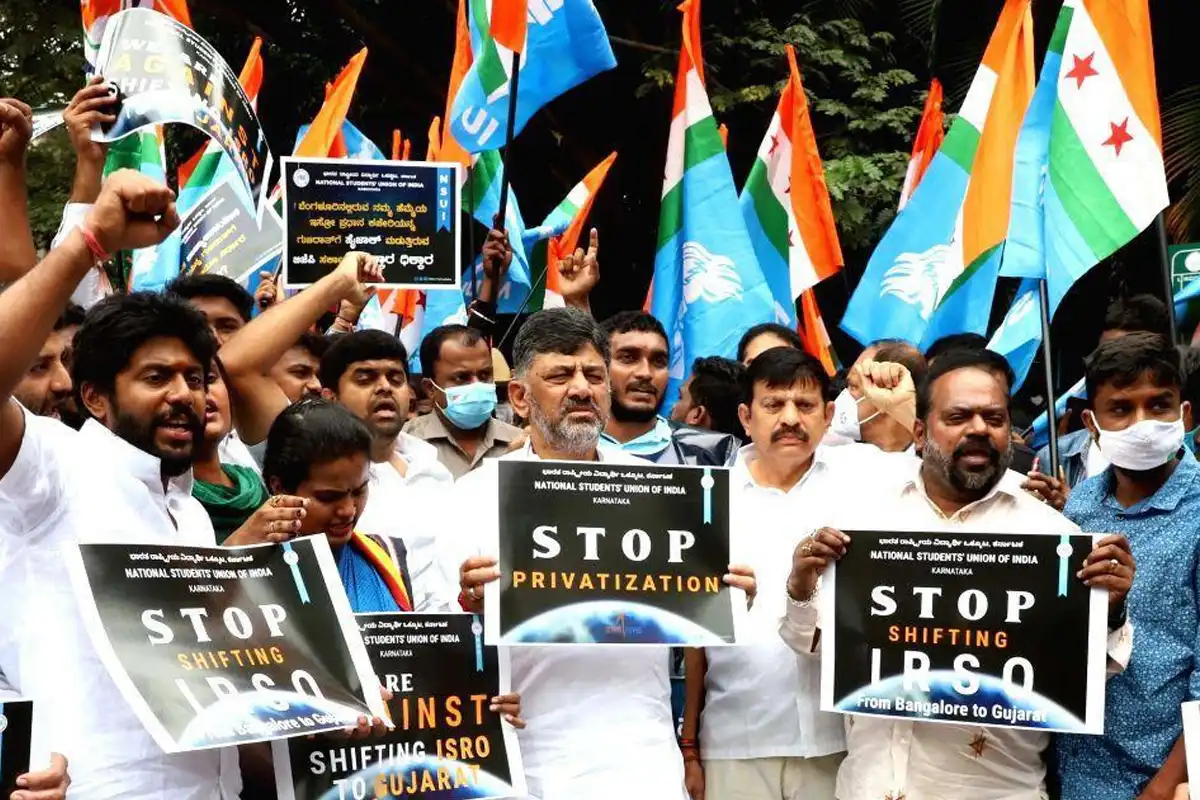
India’s space sector is undergoing significant changes under the Modi government’s push to expand private-sector participation, while concerns have emerged over the impact of the policy on the country’s state-run space agency, the Indian Space Research Organisation (ISRO).
According to a BBC report, the government’s decision to shift several commercial space activities toward private companies has sparked concerns among some ISRO scientists and former officials.
The report said India’s controversial 2020 space-sector policy opened a number of activities previously dominated by ISRO to private companies.
According to the BBC, 445 private space companies have since emerged in India.
The policy has also resulted in the transfer of several technologies and commercial activities to private-sector operators.
The move is intended by the government to expand India’s share of the global space market, but critics argue that it could reduce ISRO’s traditional role in commercial launch operations.
The BBC reported that ISRO scientists have sought a written explanation from the organisation’s leadership over the transfer of some space operations to private companies.
The report also highlighted concerns over the movement of experienced scientists from ISRO to better-paying private-sector jobs.
According to the BBC, more than 120 scientists left ISRO over the past year, including experienced personnel associated with major national projects.
Among those reportedly leaving were senior experts linked to programmes including LVM-3, Chandrayaan-3 and SpaDeX.
The report cited the departure of LVM-3 project director Victor Joseph and several other senior specialists who reportedly left amid pressure and professional concerns.
The shift toward private participation accelerated after Indian private-sector companies began launching their own rockets and satellites.
According to the BBC report, a private rocket developed by Skyroot Aerospace was used to launch satellites in July, marking an important development for India’s emerging commercial space sector.
The development has reduced ISRO’s longstanding dominance over commercial rocket-launch activities.
In-Space Chairman Dr Pawan Kumar Goenka was quoted as saying that ISRO would no longer focus on developing rockets primarily for commercial satellite launches.
Instead, the organisation is expected to concentrate more heavily on long-term national missions, including the development of a space station by 2035 and planned lunar missions by 2040.
The BBC report said around 120 ISRO-developed technologies have been transferred or made available to private companies.
It also highlighted the transfer of rights related to the Small Satellite Launch Vehicle (SSLV) to the private sector.
The changes form part of India’s broader strategy to build a competitive commercial space industry and attract private investment.
Former ISRO chairman G. Madhavan Nair reportedly criticised some aspects of the changes, arguing that scientists enjoyed greater incentives and institutional support during the previous government.
According to the BBC report, he said several benefits previously available to scientists had been reduced or removed under the Modi government.
Nine representative organisations within ISRO have also reportedly raised concerns over the growing loss of experienced personnel and what they described as excessive private-sector involvement.
The Modi government has set ambitious objectives for India’s commercial space industry, including capturing a larger share of the global market.
Officials have promoted private participation as a way to increase investment, innovation, launch capacity and employment in the sector.
Supporters of the reforms argue that ISRO should focus on strategic research and high-end national missions while commercial activities are opened to specialised private companies.
Critics, however, say the rapid restructuring could weaken institutional expertise if experienced scientists continue leaving the organisation.
The debate highlights a broader question over how India can expand its private space industry while preserving the scientific capabilities and institutional strength that have made ISRO one of the country’s most prominent technology organisations.
Catch all the World News, Breaking News Event and Trending News Updates on GTV News
Join Our Whatsapp Channel GTV Whatsapp Official Channel to get the Daily News Update & Follow us on Google News.
Must Read


Pakistan
Development Activities Continue Under Balochistan Special Development Initiative
10-October،2026