
Russia and China Veto US Draft to Extend Monitoring of Iran Sanctions

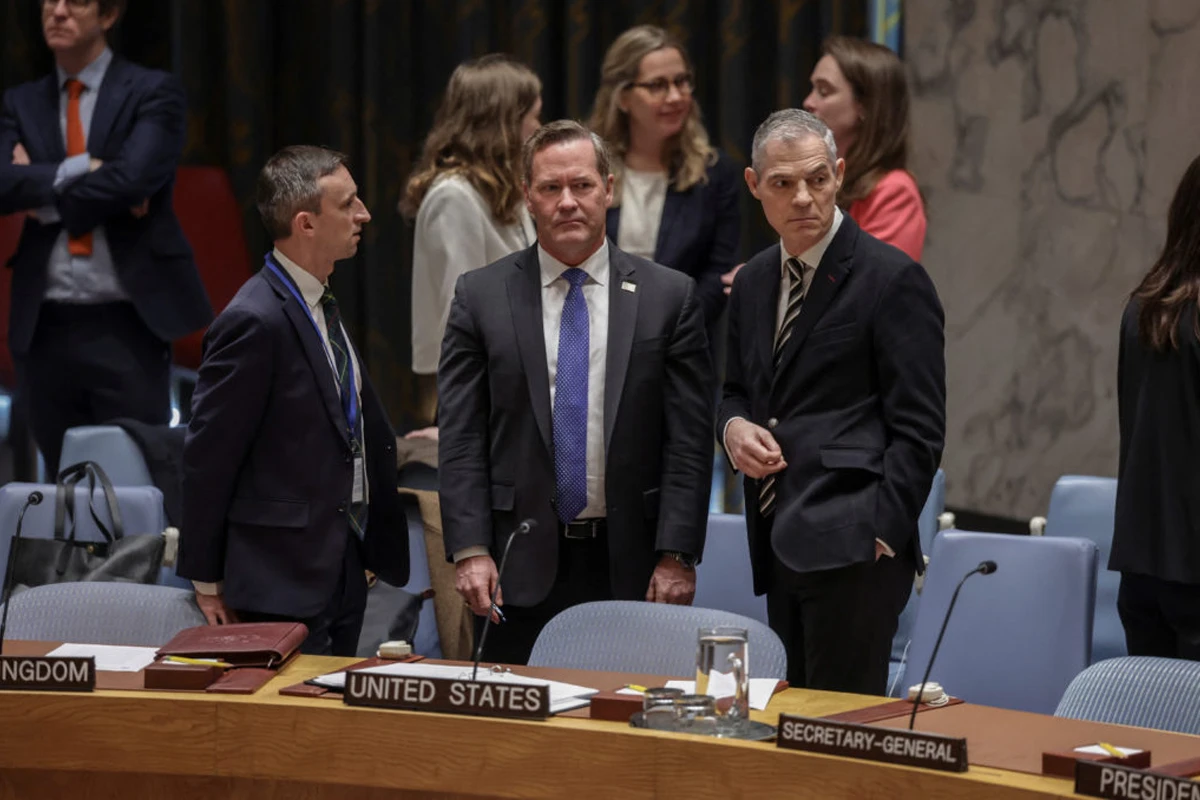
NEW YORK: Russia and China have vetoed a US-drafted UN Security Council resolution seeking to extend the mandate of experts monitoring international sanctions on Iran, deepening divisions over the future of the sanctions regime and the so-called snapback mechanism.
The resolution, put to a vote on Thursday, received 11 votes in favour, two against and two abstentions. Russia and China, both permanent members of the Security Council, used their vetoes to block the measure. Pakistan was among the countries that abstained.
The US proposal sought to extend for another year the mandate of the UN panel responsible for independently monitoring sanctions-related violations involving Iran.
US officials argued that continuing the expert panel was necessary to maintain independent reporting on potential sanctions violations.
Russia and China, however, opposed the measure and questioned the legal basis for continuing the sanctions-monitoring mechanism. Russian UN Ambassador Vasily Nebenzia described the draft as deeply flawed and said it lacked a legal basis.
The disagreement is closely linked to the snapback mechanism contained in the 2015 Joint Comprehensive Plan of Action (JCPOA) and endorsed by UN Security Council Resolution 2231.
Britain, France and Germany activated the mechanism in 2025, arguing that Iran had failed to meet its commitments under the nuclear agreement. Russia and China have rejected the validity of that move and have argued that the relevant UN sanctions framework reached its scheduled termination in October 2025.
The issue has created a broader dispute over whether UN sanctions against Iran remain legally enforceable and how the Security Council should continue monitoring them.
The veto has effectively ended the mandate of the independent expert panel, which had already been unable to operate normally for months because Security Council members had failed to agree on its leadership and the appointment of new experts.
According to UN records, the panel’s mandate was scheduled to run until September 27, 2026.
The UN sanctions committee concerning Iran had also remained largely paralysed, while disagreements over nominations prevented the reconstitution of the expert panel.
The United States criticised Russia and China for blocking the extension, arguing that the absence of an independent panel would create a gap in monitoring sanctions violations.
Britain also criticised the vetoes, while stressing that the vote itself did not remove the sanctions that it considers to remain in force.
Russia and China have maintained a different legal interpretation and have accused Western countries of using the Security Council to pursue political objectives concerning Iran.
The dispute comes amid continuing tensions over Iran’s nuclear programme and international monitoring.
The International Atomic Energy Agency (IAEA) remains the principal independent body reporting on Iran’s nuclear activities, although it has also faced difficulties in carrying out verification and monitoring work.
The latest Security Council vote therefore reflects a wider disagreement among major powers over Iran’s nuclear obligations, sanctions enforcement and the legal status of measures linked to the 2015 nuclear agreement.
Catch all the World News, Breaking News Event and Trending News Updates on GTV News
Join Our Whatsapp Channel GTV Whatsapp Official Channel to get the Daily News Update & Follow us on Google News.
Must Read
Business
Finance Minister Urges Pakistan to Turn Population Growth into Economic Opportunity
13-October،2026

Business
Oil Prices Drop as Russian Diesel Supply Prospects Counter Gulf Supply Concerns
13-October،2026