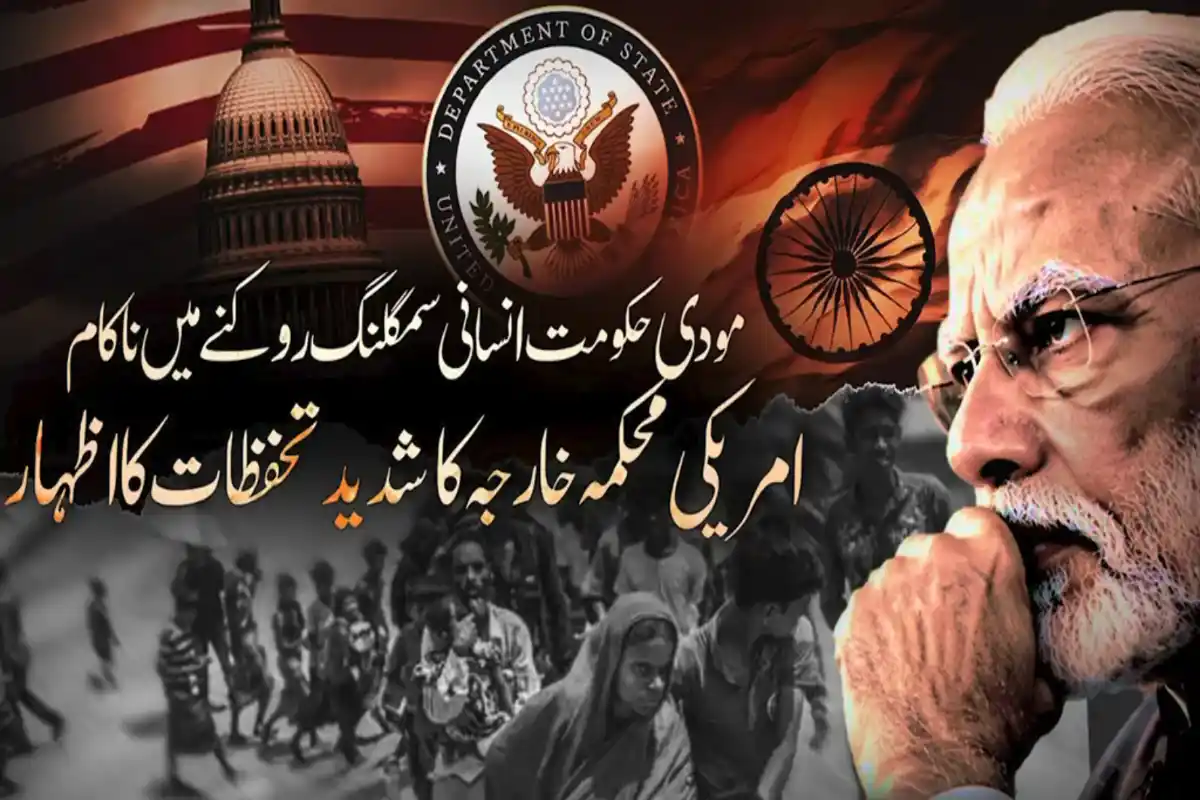
Trump’s New Policy: India Faces Threat of Up to 100% US Tariff for Buying Russian Oil

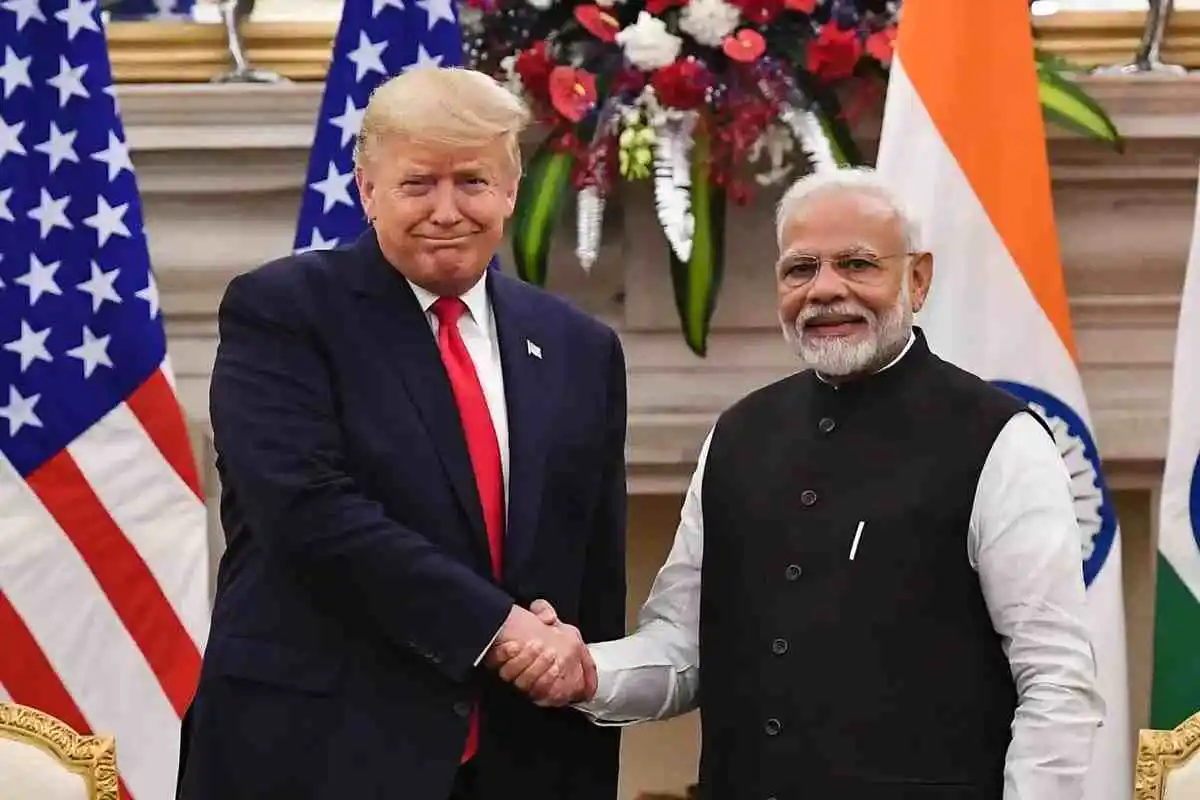
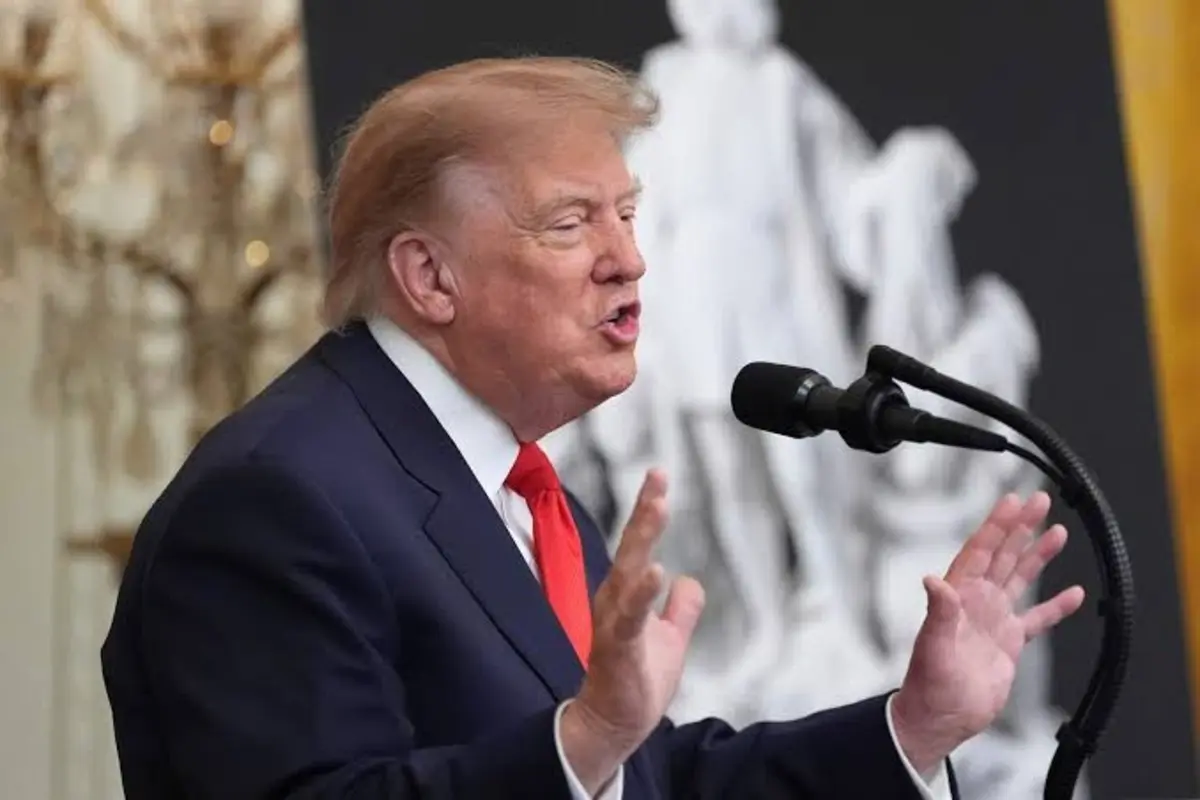
WASHINGTON: The United States has moved closer to imposing additional economic pressure on major buyers of Russian energy, with Congress passing legislation that gives President Donald Trump authority to impose tariffs of up to 100 percent on countries that continue purchasing Russian oil and natural gas.
The Lindsey O. Graham Sanctioning Russia and Iran Act of 2026 passed the US House of Representatives by 262 votes to 159 on September 16 after previously clearing the Senate. The bill has now been sent to Trump for his signature.
The legislation does not automatically impose a 100 percent tariff on India. Instead, it gives the US president broad authority to impose tariffs of up to that level on major buyers of Russian energy, meaning the final rate, targeted products and timing would depend on subsequent US action.
The new legislation is particularly significant for India and China, two of the biggest buyers of Russian energy.
The measure is intended to increase economic pressure on Moscow by targeting not only Russia’s economy but also countries that continue purchasing its oil and gas. It includes sanctions targeting Russian officials, banks, energy assets and the so-called shadow fleet used to transport oil.
The bill represents one of Washington’s most significant recent attempts to squeeze Russia’s revenues from energy exports and strengthen economic pressure over the war in Ukraine.
For New Delhi, the legislation creates a new risk for exports to the US if Washington decides to apply the maximum tariff.
A tariff of up to 100 percent could make Indian goods considerably more expensive in the American market and place pressure on exporters’ margins.
However, the legislation itself does not specify that India will automatically face the maximum rate. Trump would have to decide whether and how to use the authority granted by Congress.
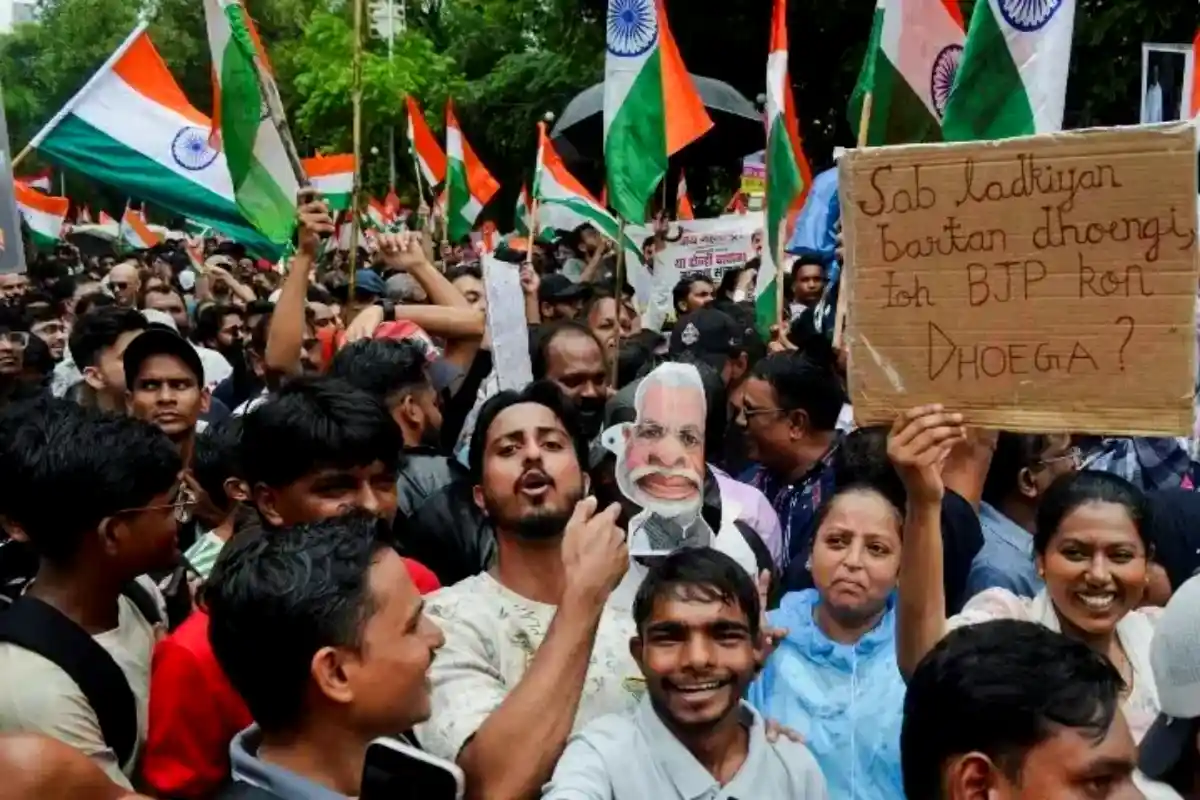
India has responded by reiterating that it will continue to prioritise energy security for its 1.4 billion people.
India’s Ministry of External Affairs said the issue had been discussed at senior levels with US officials in recent months and that New Delhi had already explained the potential consequences for both bilateral relations and global energy markets.
The ministry said India would continue to diversify its energy sources and take necessary measures to protect its trade and economic interests.
India is the world’s third-largest oil importer and continues to source crude from multiple countries, including Russia. Reuters reported that Indian refiners are concerned that restrictions on Russian supplies could increase costs and put additional pressure on fuel markets.
Following the outbreak of the Russia-Ukraine war and Western sanctions on Moscow, Russian crude became an important source of relatively competitively priced oil for Indian refiners.
India has continued purchasing Russian crude while also seeking to diversify supplies from other producers.
The dependence on Russian oil has made the new US legislation particularly significant for New Delhi, as sharply reducing Russian purchases could force refiners to rely more heavily on alternative suppliers and potentially pay higher prices.
If Washington imposes substantial tariffs, Indian exporters could face weaker competitiveness in the US market.
At the same time, reducing Russian oil purchases could increase India’s import costs, particularly if alternative supplies remain more expensive.
Reuters reported that Indian refiners are considering the possibility of negotiating tariff exemptions or quotas with Washington while the two sides continue discussions over trade and energy issues.
The economic impact would therefore depend on several factors, including the tariff rate eventually selected by Trump, the range of products covered and how quickly India adjusts its crude supply sources.
Moscow has criticised the legislation as another unfriendly measure and warned that additional sanctions could complicate efforts to reach a settlement in the Ukraine conflict.
The legislation also reflects Washington’s attempt to use pressure on third-country buyers as a means of reducing Russia’s energy revenue and increasing the economic cost of continuing the war.
Despite the passage of the bill by both chambers of Congress, India is not yet subject to a new 100 percent US tariff under this legislation.
The bill still requires Trump’s signature, after which the administration would determine whether to use the authority and at what level.
The development nevertheless places fresh pressure on India’s energy policy and adds another complication to US-India trade relations, while also raising broader questions about the impact of sanctions on global oil markets.
Catch all the World News, Breaking News Event and Trending News Updates on GTV News
Join Our Whatsapp Channel GTV Whatsapp Official Channel to get the Daily News Update & Follow us on Google News.
Must Read
Pakistan
Development Activities Continue Under Balochistan Special Development Initiative
10-October،2026