Long-Term Military Occupation of Iran Could Create New Crisis for US, Requiring Over 500,000 Troops

Long-Term Military Occupation of Iran Could Create New Crisis for US, Requiring Over 500,000 Troops
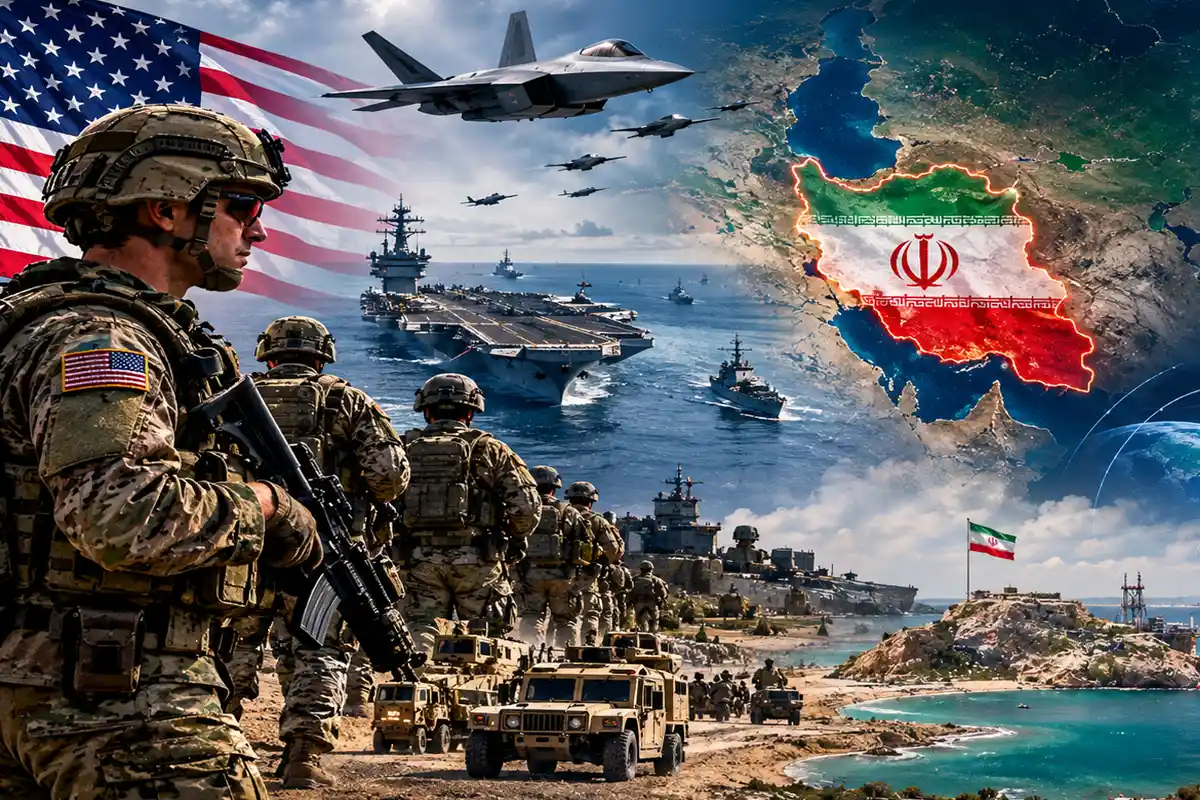
The United States may need more than 500,000 troops if it launches a large-scale ground operation or attempts a long-term military occupation of Iran, according to an analysis by experts.
International relations expert Professor Robert A. Kelly estimates that maintaining a large-scale military occupation of Iran could require more troops than the US Army’s authorized active-duty strength for the 2026 fiscal year.
However, this figure is not an official US Department of Defense war plan. It is an analytical estimate based on the deployment of American troops during the 2003 invasion of Iraq and a comparison of the populations of Iraq and Iran.
Why Would the US Need So Many Troops?
A long-term military operation in a large country requires more than combat troops. The military also needs personnel for logistics, medical services, engineering, communications, base security and regular reinforcements.
The United States would also need to maintain its military commitments in other parts of the world. Deploying a large force to Iran for an extended period could therefore create major logistical and operational challenges.
The US Army’s authorized active-duty strength for fiscal year 2026 was approximately 454,000 personnel. This figure does not include the National Guard, Army Reserve or Marine Corps.
More US Forces Deployed to the Middle East
According to the Associated Press, the United States decided to send another aircraft carrier and around 9,000 additional personnel to the Middle East, including Navy and Marine Corps members.
However, this deployment does not mean that the United States is preparing a force for a full-scale occupation of Iran. Many of these personnel would support naval operations and related military activities.
Why Is Kharg Island Important?
Kharg Island is strategically important because it plays a central role in Iran’s crude oil exports.
Some analysts believe that controlling the island could increase economic pressure on Iran. However, holding an island or a limited coastal area would still require troops, supplies, security and protection against possible attacks.
Control of Kharg Island would not mean control of the entire country.
Iran’s Defence System Could Create Challenges
Iran’s defence strategy includes military capabilities spread across different regions. Some experts link this approach to the concept of mosaic defence, under which different units may continue operating even if the central command is damaged.
The effectiveness of this strategy would depend on the circumstances, but dispersed military capabilities could make operations more difficult for an invading force.
Iran’s Geography Is Another Challenge
Iran covers approximately 1.65 million square kilometres, making it nearly four times larger than Iraq. Its mountainous terrain, long supply routes and difficult geography could complicate troop movements and the delivery of military supplies.
Securing one coastal area or island would not guarantee control over the rest of the country. US forces could face resistance and security challenges across multiple regions.
Lessons From the Iraq War
In 2003, the United States invaded Iraq and removed Saddam Hussein’s government. However, armed resistance, instability and the deployment of large numbers of American troops continued for years.
Iran and Iraq differ significantly in population, territory, geography and defence capabilities. Therefore, the two situations cannot be directly compared. However, the Iraq war showed that achieving an initial military victory and maintaining long-term political and security stability are two different challenges.
Is the US Preparing to Occupy Iran?
So far, no confirmed official US plan for a full-scale ground occupation of Iran has been made public.
The deployment of additional naval assets and military personnel gives Washington more military options, but it does not confirm a decision to occupy Iran.
US policy towards Iran could change depending on diplomatic and military developments. Any large-scale operation would also carry significant political, military and economic risks.
The Biggest Challenge Could Come After an Attack
Experts suggest that even a limited ground operation in Iran could expose US forces to continued attacks, supply difficulties and the challenge of protecting military bases and securing additional areas.
If military action fails to achieve its intended political objectives, the operation could become longer and more expensive, with greater human costs.
The estimate of more than 500,000 troops highlights the potential scale and complexity of maintaining a long-term military presence in Iran. However, it remains an analytical estimate rather than an official US military plan.
Catch all the World News, Breaking News Event and Trending News Updates on GTV News
Join Our Whatsapp Channel GTV Whatsapp Official Channel to get the Daily News Update & Follow us on Google News.
Must Read