
Pakistan rejects US tariff, terms step as inconsistent with WTO principles

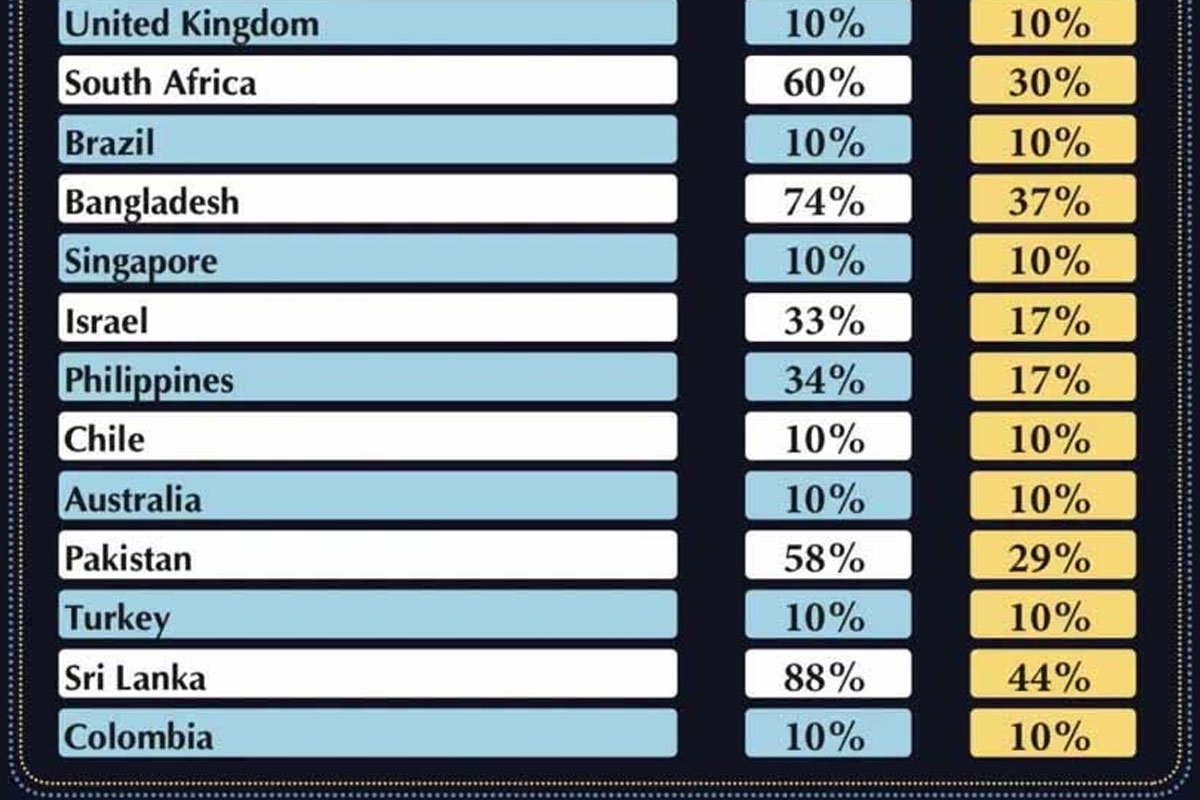
The United States recently imposed a unilateral 29 per cent tariff on Pakistani exports, citing “reciprocity” over Islamabad’s alleged 58 per cent duties on its goods.
Pakistan rejected this punitive measure as disproportionate, misrepresentative of its trade framework, and inconsistent with WTO principles.
The move risks destabilizing Pakistan’s export-driven sectors, harming bilateral trade ties, and undermining the rules-based global trading system.
Key Highlights
Unilateral Tariffs: US imposes 29 per cent duty on Pakistani exports, mischaracterizing Pakistan’s trade protections.
WTO Compliance: Pakistan’s tariffs align with developing nation rights under global trade rules.
Worker Impact: Millions of Pakistani livelihoods in textiles, agriculture at risk from US measures.
Consumer Cost: US households to face higher prices for everyday goods like textiles and leather.
Diplomatic Strain: Trade actions undermine decades of Pakistan-US strategic cooperation.
Major Strategic Objectives
Defend Economic Sovereignty: Protect vulnerable industries and jobs through WTO-compliant measures.
Uphold Multilateralism: Challenge unilateral tariffs via WTO dispute mechanisms.
Diversify Trade Partnerships: Reduce reliance on single markets by strengthening ties with Asia, the EU, and MENA.
Engage Diplomatically: Push for bilateral dialogue to resolve trade imbalances amicably.
Counter Misinformation: Clarify Pakistan’s equitable tariff structure and developmental needs.
Narrative Lines
Pakistan stands by fair trade, and unilateral tariffs harm global economic stability.
WTO rules must prevail over arbitrary trade wars.
Protecting Pakistani workers isn’t protectionism—it’s a developmental imperative.
US tariffs hurt American consumers as much as Pakistani exporters.
Dialogue, not duties, will resolve Pakistan-US trade concerns.
Fair competition, not punitive tariffs, should guide international trade policies.
Trade policies must reflect mutual respect and shared economic goals.
Developing economies like Pakistan deserves equitable treatment in global trade frameworks.
The international community must rally against unilateralism to protect global trade integrity.
US tariffs threaten Pakistan’s economic growth and regional trade partnerships.
Sustainable US-Pakistan relations require balanced trade practices, not coercive measures.
Upholding WTO standards ensures fairness for all nations, big and small.
Pakistan’s trade policies are transparent and fully compliant with international obligations.
Cooperation, not confrontation, is key to resolving trade disputes effectively.
Pakistan remains committed to constructive negotiations to achieve trade equity.
Catch all the Pakistan News, Breaking News Event and Trending News Updates on GTV News
Join Our Whatsapp Channel GTV Whatsapp Official Channel to get the Daily News Update & Follow us on Google News.
Must Read
Pakistan
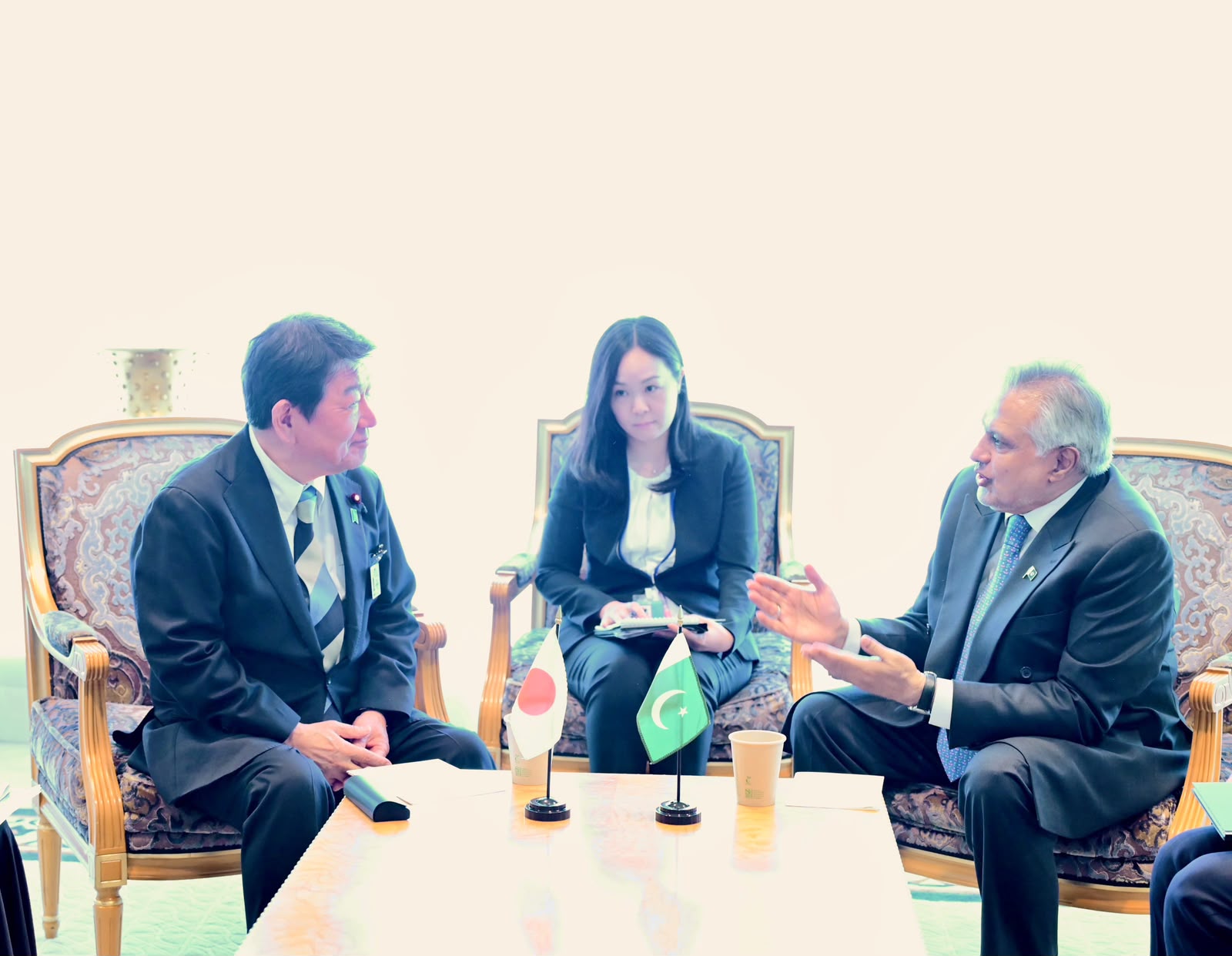
Ishaq Dar, Japanese Foreign Minister Discuss Trade, Investment and Regional Developments
22-September،2026