
United States–Iran Talks in Geneva Enter Critical Phase

United States–Iran Talks in Geneva Enter Critical Phase
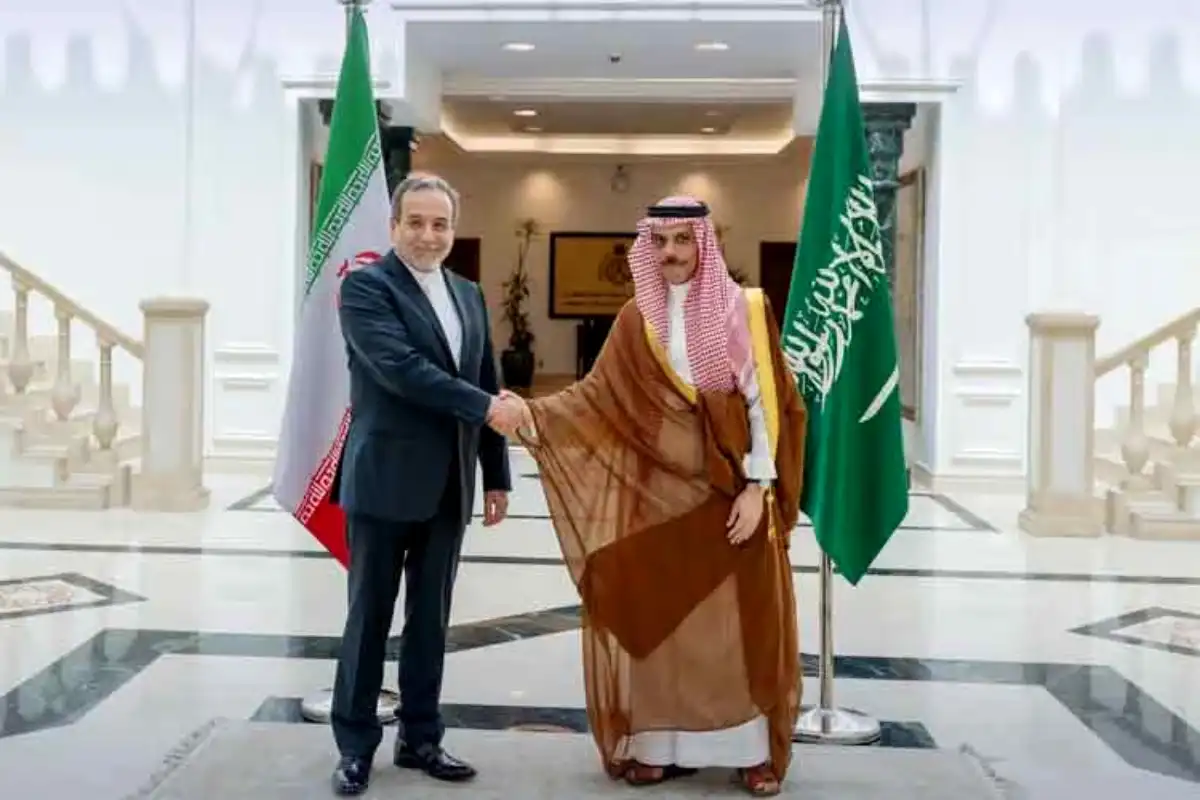
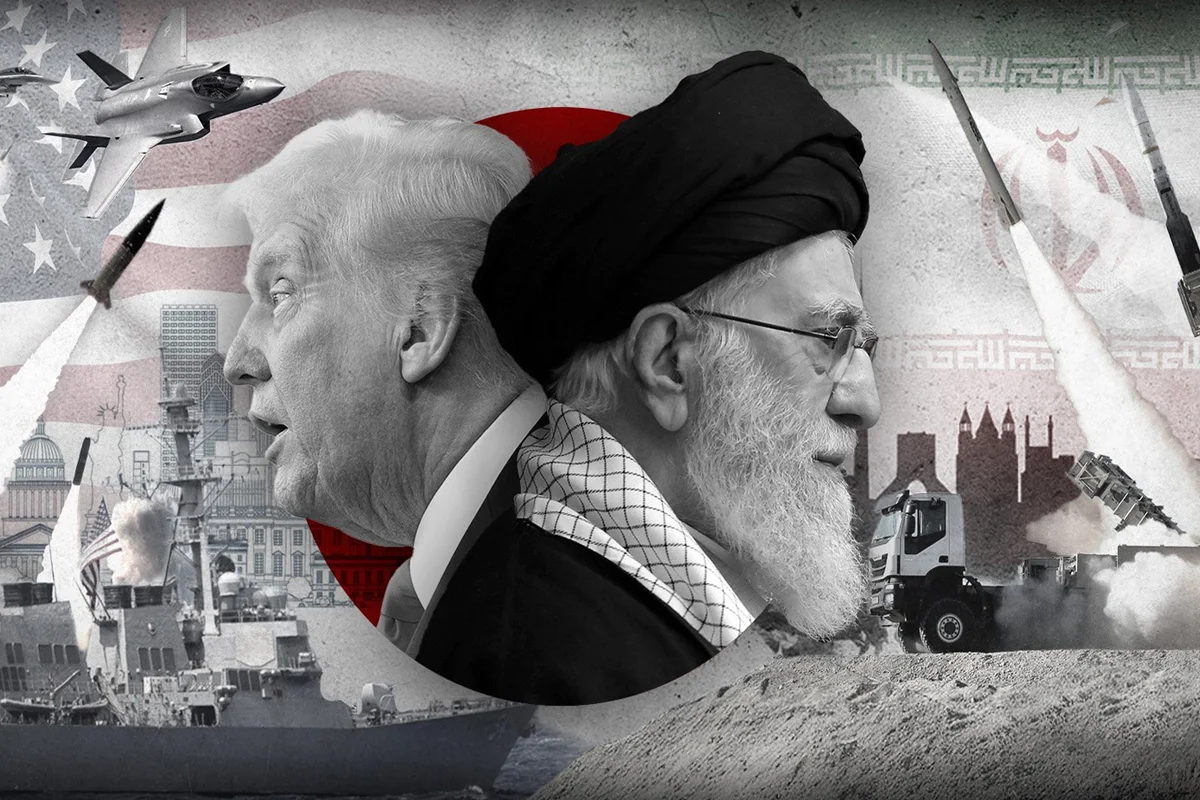
Dennis Strinovich, an expert on Middle East and national security affairs, has warned that the proposed talks between the United States and Iran in Geneva are taking a decisive and critical turn. Beyond the obvious disagreements regarding the nuclear program, a deep intellectual gap is becoming apparent in how both sides understand power, threat, and the ultimate purpose of negotiations.
According to various reports, a proposal delivered to Ali Larijani through Omani mediation suggested suspending uranium enrichment for three to five years, followed by a restart at a lower level and the transfer of enriched uranium abroad. In return, the proposal suggested a reduction in U.S. military pressure. From the American perspective, this appears to be a suitable de-escalation formula. However, experts note that the Iranian leadership considers it structurally unbalanced. Tehran believes that any nuclear concessions must be accompanied by tangible economic relief rather than just a reduction in military threats. Because economic pressure is considered the greatest challenge to internal stability, accepting major nuclear limitations while sanctions remain in place is not acceptable to the Iranian regime.
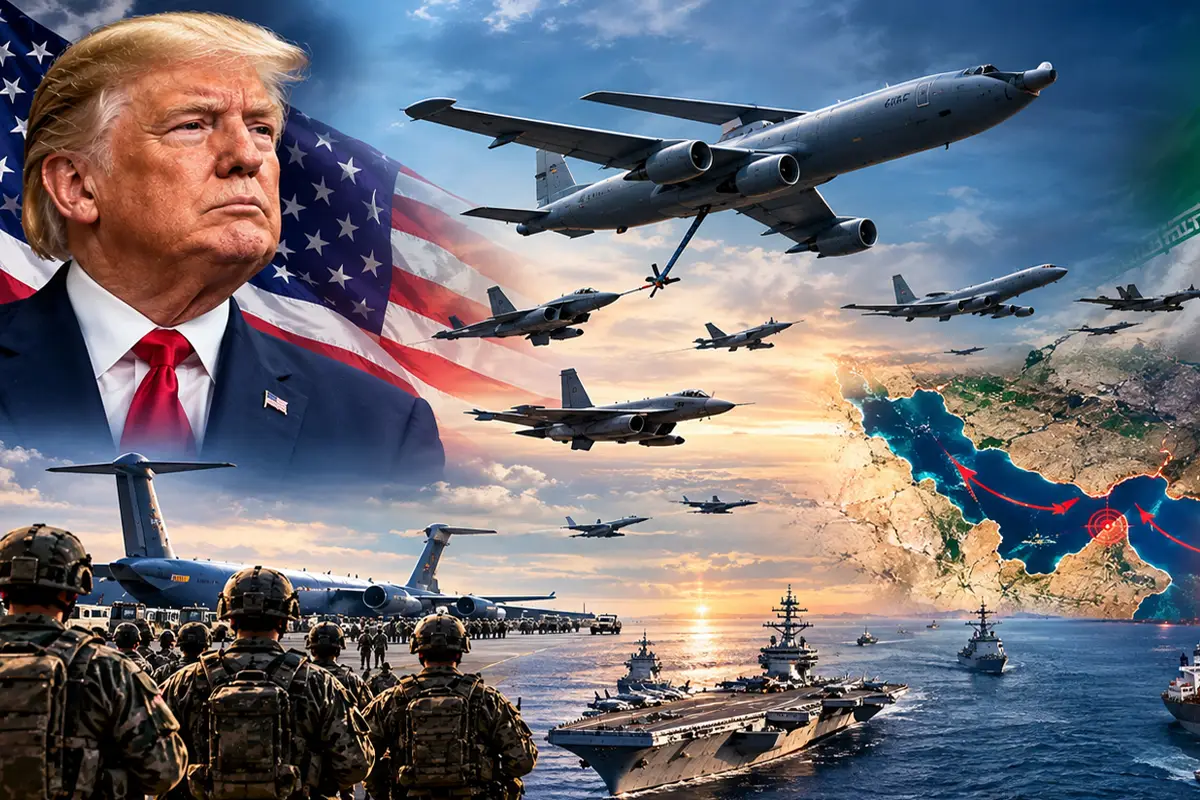
Another worrying aspect of the analysis is that both sides apparently believe that increasing tensions will strengthen their negotiating positions. Tehran estimates that the U.S. leadership will avoid a protracted regional war and that if Iran can withstand initial pressure, it will be able to strengthen its alliance networks and force Washington to adopt a more cautious approach. Conversely, the U.S. administration believes that its overwhelming military superiority, combined with Iran’s economic weakness and internal pressures, means Tehran can either be forced to make concessions before negotiations or that a limited conflict can be handled in Washington’s favor. This mutual confidence that superiority can be achieved through pressure is making the current situation increasingly dangerous.
The situation is further complicated by statements from the U.S. President regarding possible regime change. While these may be considered political rhetoric, they reinforce the impression among hard-line circles in Tehran that Washington’s real goal is not a new nuclear deal but broader systemic change. According to experts, the real obstacle is not merely a technical difference in the number of centrifuges or enrichment levels, but a fundamental difference in risk assessment. Washington believes continued military pressure will force Iran to bend, while Tehran believes that patience and a strategy of limited response can force the United States to reconsider its demands. This divergence in thinking is rapidly reducing the scope for compromise.
While a limited agreement is still viewed as possible—particularly if the talks remain focused on the nuclear issue rather than broader geopolitical disputes—experts warn that time is running out. The United States cannot maintain a massive military presence in the region indefinitely, and increasingly tough public rhetoric is reducing diplomatic flexibility. Instead of moving toward a resolution, both sides are ramping up pressure. The situation is moving toward a stage where the only choices left will be agreement or escalation. Ultimately, the greatest danger is not the technical nuclear gap but the growing intellectual divide regarding power and intent. If one side does not reconsider its policy, both could move toward a confrontation that neither side fully wants, yet both believe they can manage.
Catch all the World News, Breaking News Event and Trending News Updates on GTV News
Join Our Whatsapp Channel GTV Whatsapp Official Channel to get the Daily News Update & Follow us on Google News.
Must Read