
How Did Oliver ‘Power’ Grant Die? Wu-Tang Clan Founder’s Cause of Death Explained

How Did Oliver ‘Power’ Grant Die? Wu-Tang Clan Founder’s Cause of Death Explained
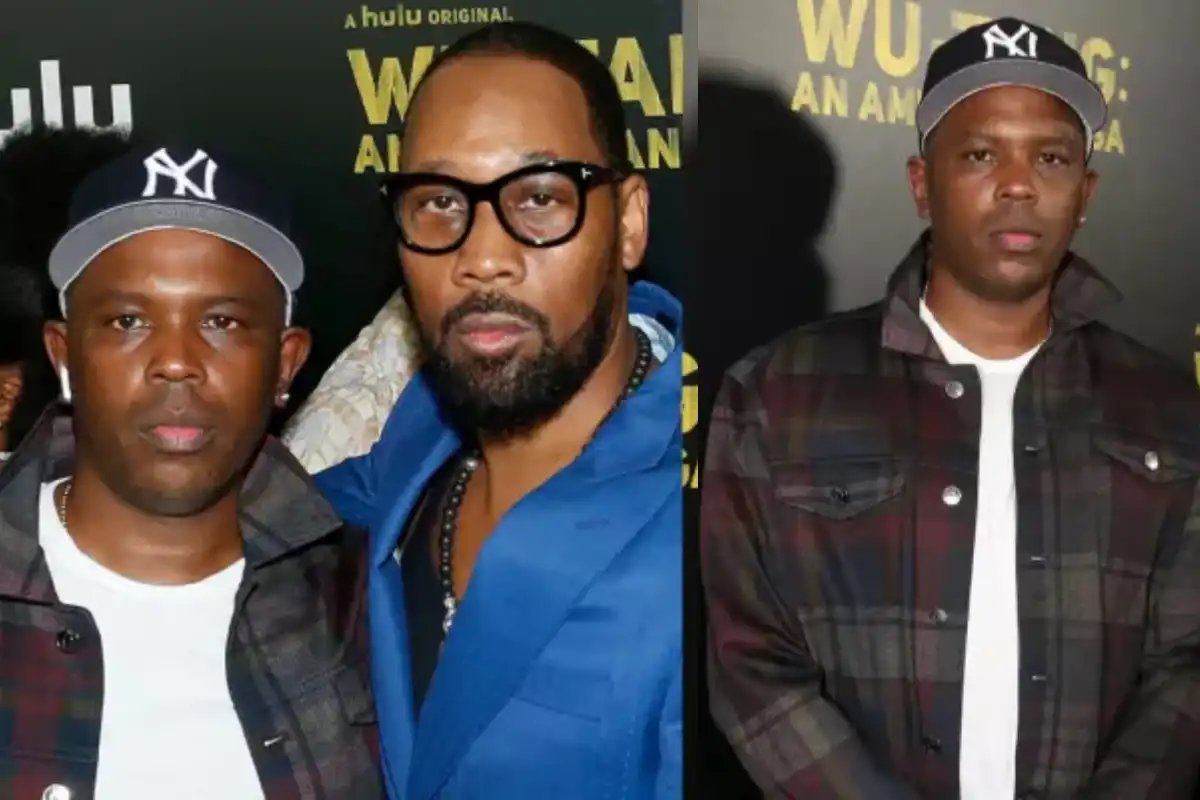
The hip-hop world is mourning the loss of Oliver Grant, widely known as “Power,” a key founding force behind the legendary Wu-Tang Clan. Grant passed away on February 23, 2026, at the age of 52. His death was confirmed by members of the iconic collective, prompting an outpouring of tributes across the music community.
Grant was respected not only for his influence in hip-hop but also for his ventures in fashion, film, and gaming, making him a multifaceted figure in the entertainment industry.
What We Know About Oliver Grant’s Cause of Death
As of now, details surrounding Grant’s cause of death remain unclear. His passing has been described as sudden and unexpected. The family has not yet released an official statement clarifying the circumstances, and authorities have not confirmed whether an investigation is ongoing. There has also been no public indication of foul play.
Members of the Wu-Tang Clan and fellow artists have shared emotional tributes online. Clifford Smith Jr., better known as Method Man, confirmed the heartbreaking news on Instagram, writing, “Paradise, my Brother safe travels!! #pookie #power Bruh I am not ok ..”
Fellow Clan member Raekwon also expressed his grief, posting, “The most high is merciful. I love you.”
Meanwhile, GZA shared a powerful message about Grant’s importance to the group:
“Wu wouldn’t have come to fruition without Power. His passing is a profound loss to us all.”
Who Was Oliver ‘Power’ Grant?
Born on November 3, 1973, in Jamaica, Grant later moved to Staten Island, New York, where he grew up in the Park Hill Projects alongside future Wu-Tang members. During his youth, he became close friends with Divine, the older brother of RZA, a relationship that would prove pivotal in shaping his career.
Although Grant was not a performing rapper, his behind-the-scenes influence was instrumental in the formation and success of Wu-Tang Clan. He reportedly earned the nickname “Power” following a chess match among group members.
Grant played a critical financial and strategic role in launching the group’s groundbreaking debut album, Enter the Wu-Tang (36 Chambers), released in November 1993. He later became an executive producer on multiple Wu-Tang projects and co-founded Wu-Tang Productions, further cementing his legacy within the brand.
Building the Wu Wear Empire
In addition to his contributions to music, Grant was a visionary entrepreneur in fashion. In 1995, he launched Wu Wear, one of the first artist-led streetwear brands in hip-hop culture. What began as a mail-order merchandise operation quickly evolved into a multimillion-dollar business.
At its peak, Wu Wear reportedly generated annual revenues exceeding $25 million and was stocked in major retail stores, including Macy’s.
Reflecting on the brand’s success during a 2011 interview with Complex, Grant said:
“That was all me. I had a crew of people who worked with me and helped me achieve and do the things that I wanted to do. But that was all my direction, based on how I saw it.”
Expanding Into Film and Gaming
Grant’s entrepreneurial spirit extended beyond music and fashion. In 1999, he served as executive producer for the PlayStation game Wu-Tang: Shaolin Style, further expanding the Wu-Tang brand into gaming.
He also pursued acting, appearing in films such as Belly and Black and White.
At the time of his passing, Grant’s net worth was estimated to be between $4 million and $7 million.
As fans and fellow artists continue to honor his memory, Oliver “Power” Grant’s legacy as a driving force behind Wu-Tang Clan and a pioneer in hip-hop entrepreneurship remains firmly intact.
Catch all the Entertainment News, Breaking News Event and Trending News Updates on GTV News
Join Our Whatsapp Channel GTV Whatsapp Official Channel to get the Daily News Update & Follow us on Google News.
Must Read