
How US media are selling Iran war with Iraq-style Narratives, video games

How US media are selling Iran war with Iraq-style Narratives, video games
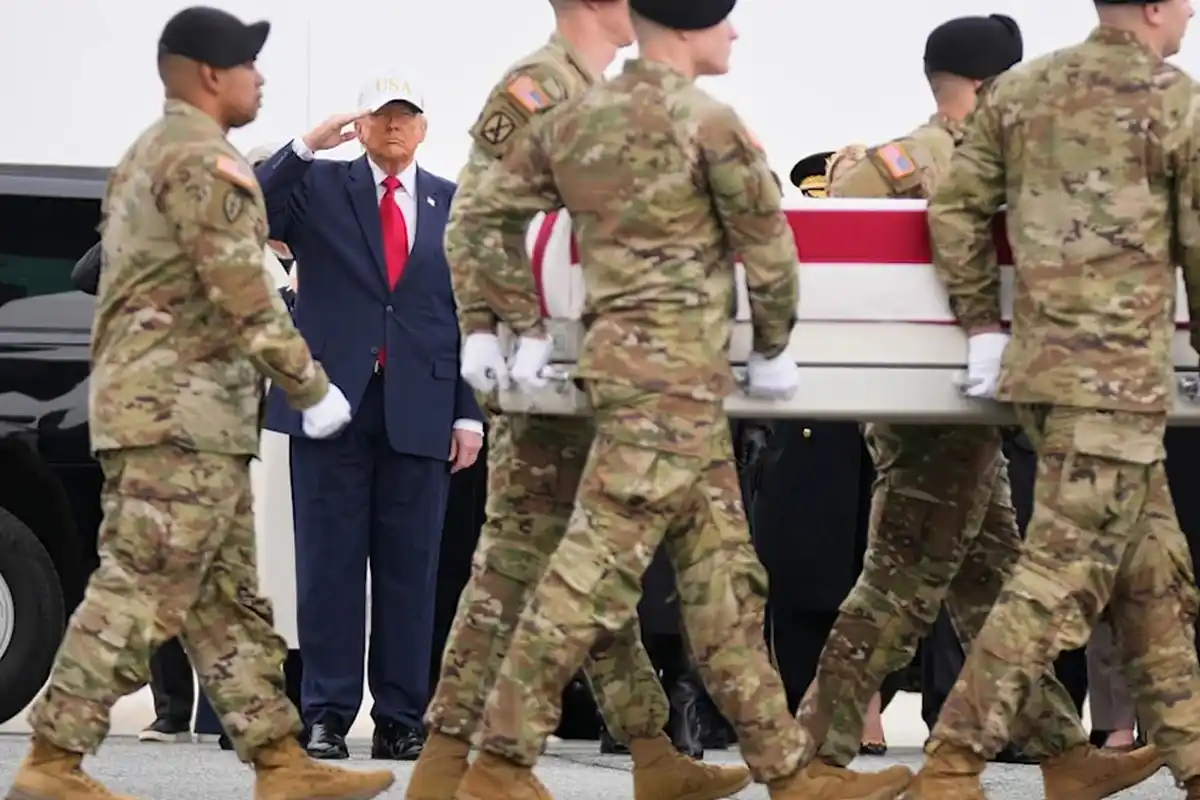
Debate is growing in the United States about how the ongoing conflict with Iran is being presented to the public. Journalist Glenn Greenwald says some major American media outlets are repeating the same messaging style used during the lead-up to the Iraq War in 2003.
In a commentary published by ScheerPost, Greenwald criticized a television segment aired on CNN and hosted by Jake Tapper. He said the segment presented a guest as a typical Iranian voice, even though she lives in Israel and reportedly has connections with Israeli institutions.
Claims About Iranian Public Opinion
During the broadcast, the guest said many Iranians support military strikes by the United States and Israel against their own country. Greenwald strongly questioned this claim.
He said similar arguments were used before the 2003 Iraq invasion. At that time, American officials argued that Iraqi citizens would welcome foreign troops.
Greenwald pointed to comments made in 2003 by former US official Paul Wolfowitz. Wolfowitz told the US Congress that Iraqis would greet American soldiers as “liberators.” According to Greenwald, the same idea is now appearing again in the debate about Iran.
War Messaging Through Dramatic Videos
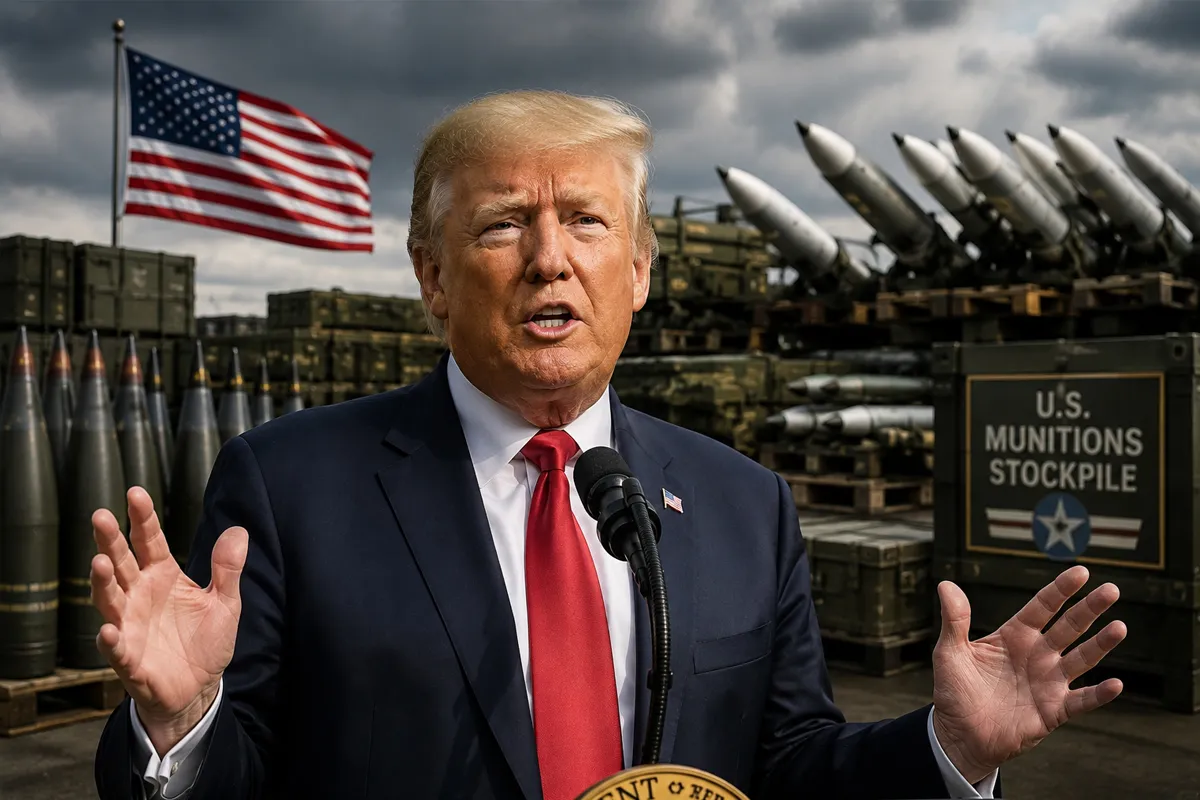
The discussion comes as the US government releases many promotional videos about the conflict. These videos are produced by the White House, the Pentagon, and United States Central Command.
The videos show US military equipment such as the Northrop Grumman B-2 Spirit bomber, M142 HIMARS rocket launcher, and Boeing F/A-18 Super Hornet fighter jet.
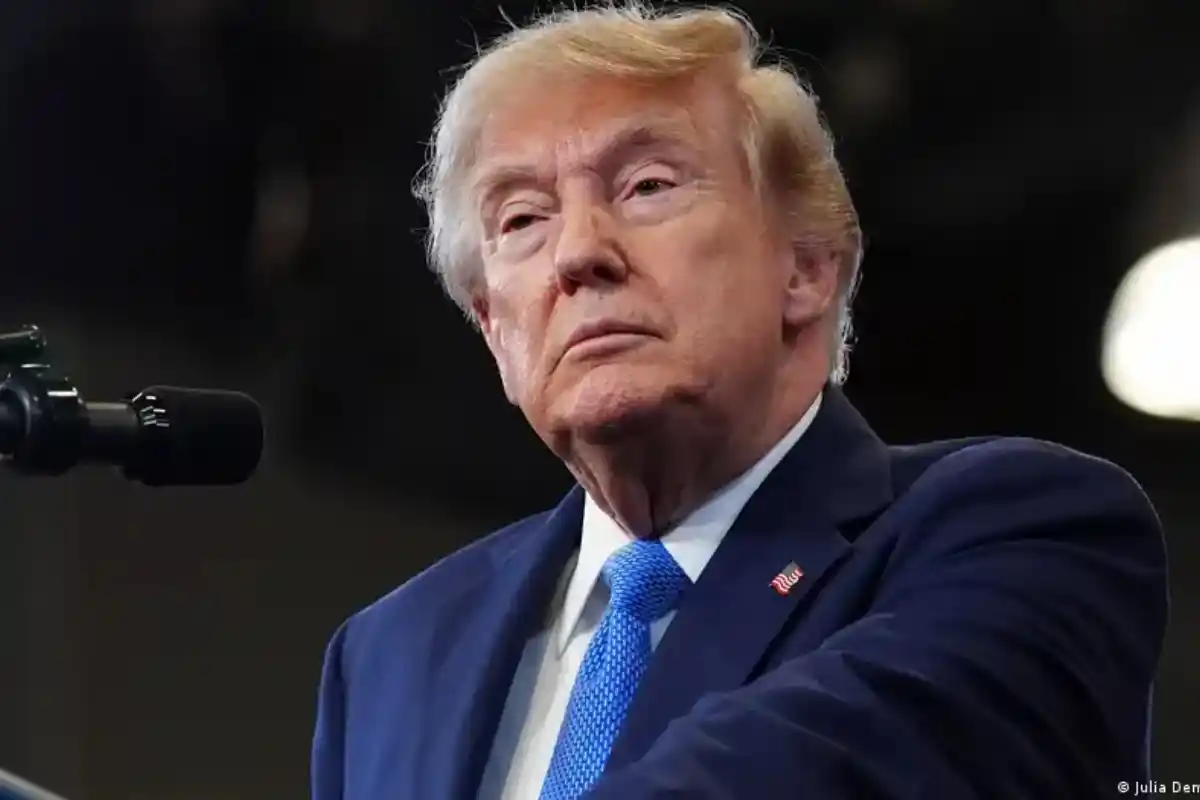
Many clips include speeches by President Donald Trump, Defense Secretary Pete Hegseth, and Secretary of State Marco Rubio.
Some critics say the videos look more like movie trailers than official military updates. One video released by the White House even used the song “Boom Boom” by John Lee Hooker.
War Portrayed Like a Video Game
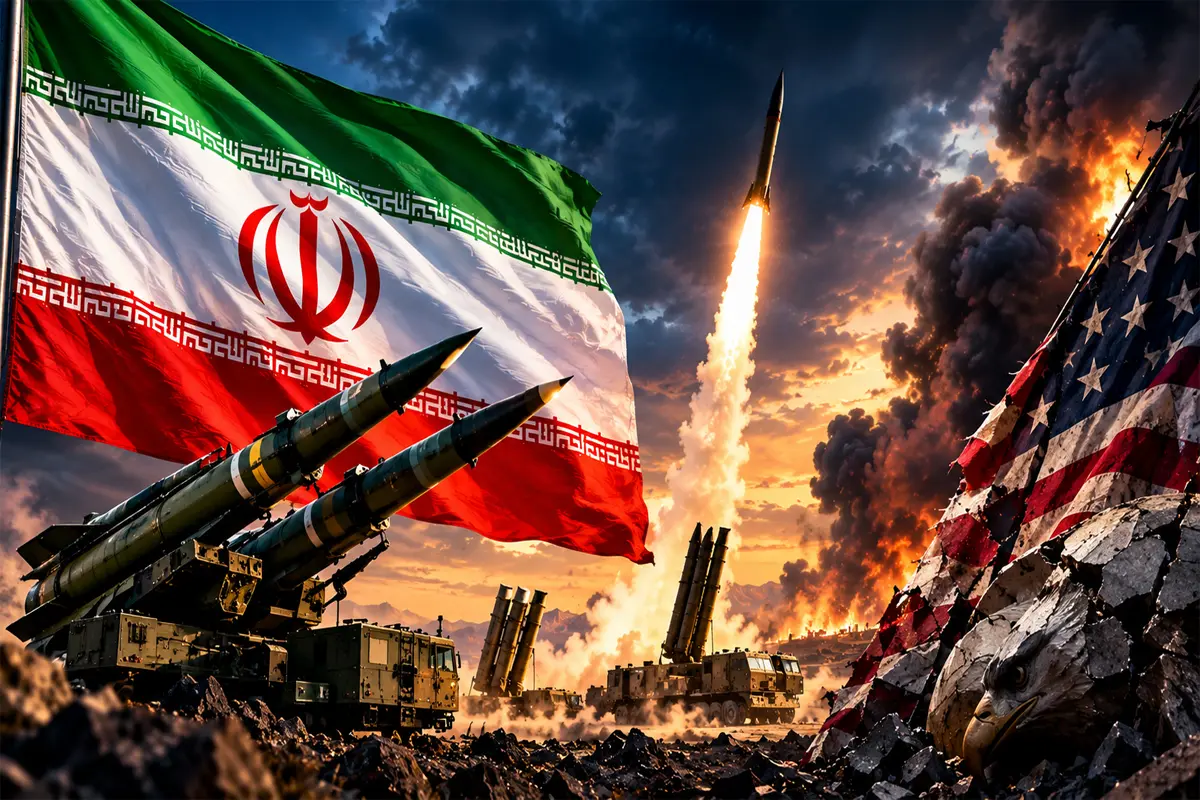
Another criticism is that some clips present the war like entertainment. Explosions are shown in slow motion. Dramatic titles appear on screen, such as “Operation Epic Fury.”
Some posts on social media even included references to popular games like Call of Duty and Grand Theft Auto. These games allow players to continue fighting with unlimited lives.
The White House communications director Steven Cheung thanked media outlets for highlighting what he called the administration’s “banger videos.”
Civilian Casualties Raise Questions
Criticism increased after reports of a deadly attack on a girls’ school in the Iranian city of Minab. Local reports say more than 180 students and teachers were killed.
Some analysts believe the strike may have involved a Tomahawk cruise missile. The US military says an investigation is still ongoing.
President Donald Trump said it was not yet clear who fired the missile. He also noted that Tomahawk missiles are used by several countries.
Online Information War Intensifies
The conflict has also created a large information battle on social media. Analysts say many videos circulating online are either edited or generated using artificial intelligence.
Some clips falsely claim to show captured American soldiers or attacks in Israeli cities. Experts warn that misinformation could influence public opinion during the conflict.
Public Opinion Remains Divided
Despite the strong messaging campaign, polls show that many Americans are still skeptical about the war with Iran. Surveys suggest that a majority of US citizens oppose the conflict, although support is higher among some political groups.
As the war continues, debate over media coverage, government messaging, and the humanitarian impact of the conflict is likely to grow.
Catch all the World News, Breaking News Event and Trending News Updates on GTV News
Join Our Whatsapp Channel GTV Whatsapp Official Channel to get the Daily News Update & Follow us on Google News.
Must Read
Pakistan
Faisal Vawda Warns Against Anti-National Mindset, Criticises KP’s 13-Year Governance
13-October،2026