
Rezaei’s Warning to Washington: End the Blockade or the Sea of Oman Becomes a Graveyard

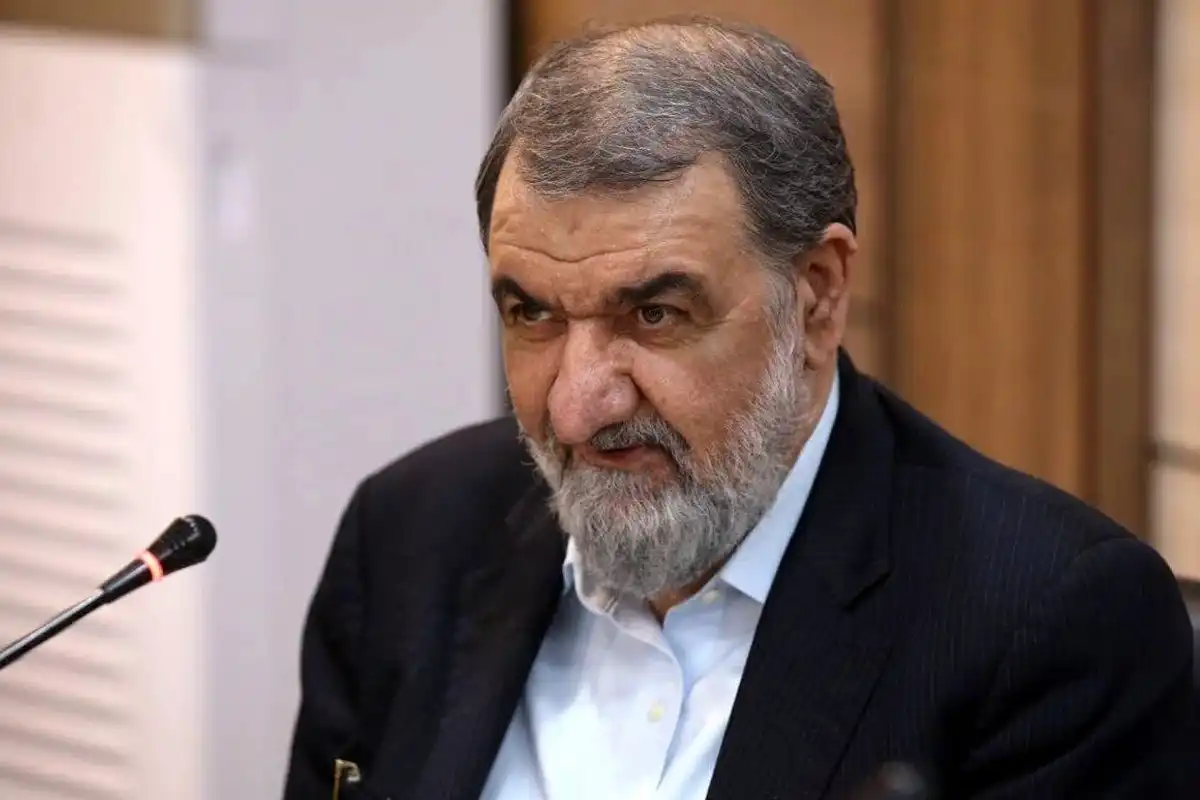
Iran’s former IRGC commander is not speaking for himself. When a Expediency Council member delivers this message on state television, it is institutional communication — not personal opinion.
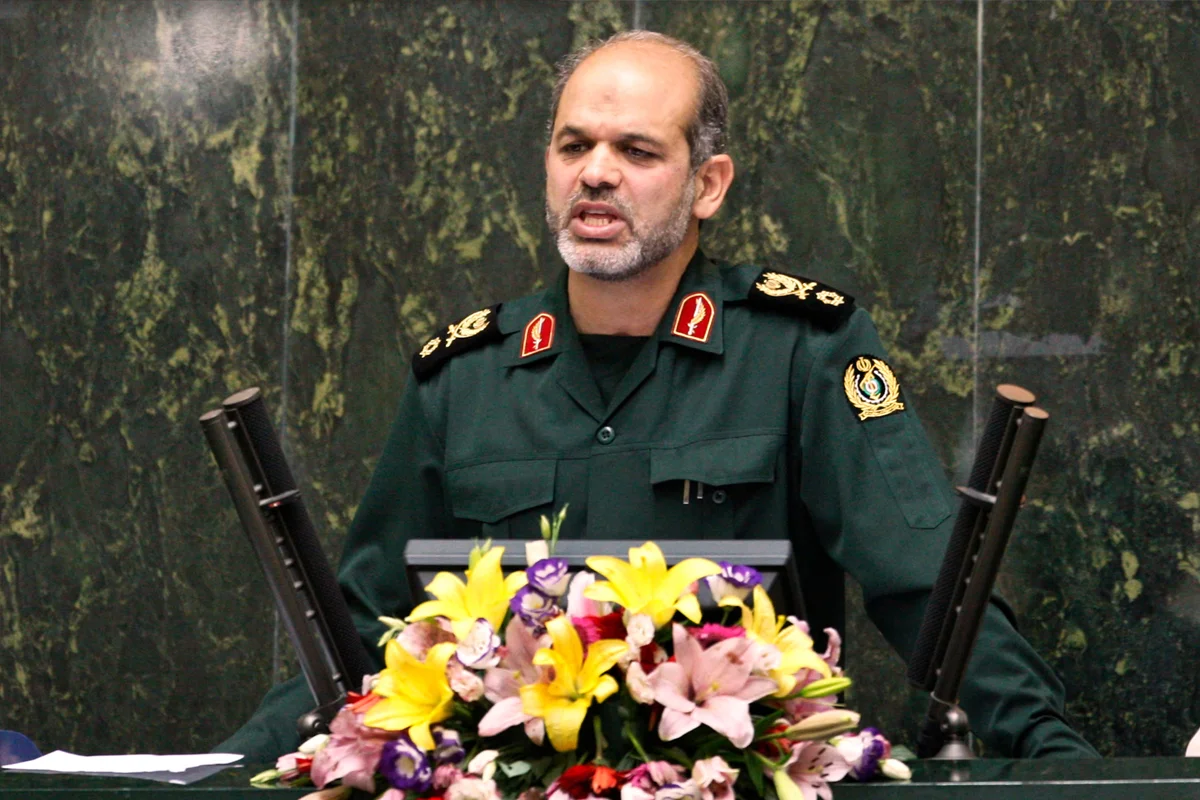
Mohsen Rezaei, senior member of Iran’s Expediency Council and former commander-in-chief of the Islamic Revolutionary Guard Corps, has issued the most direct military threat against US naval forces since the ceasefire took hold in April. Speaking on Iranian state television, he told Washington to lift the naval blockade of Iranian ports immediately — or face Iranian armed forces prepared for full-scale confrontation in the Sea of Oman.
His exact framing: lift the blockade before the Sea of Oman becomes “a permanent graveyard for American soldiers.”
Why This Statement Carries Weight
Rezaei is not a fringe voice or a retired official making headlines for attention. He sits on the Expediency Council — the body that mediates between Iran’s parliament and Supreme Leader on matters of national policy — and his IRGC command history gives him direct credibility with Iran’s military establishment. Statements at this level, delivered on state broadcasting, represent calibrated institutional messaging rather than individual improvisation.
The timing is equally deliberate. It follows IRGC Aerospace Force Commander Brigadier General Majid Mousavi’s recent declaration that Iranian missiles are locked on American targets across the Persian Gulf. Two senior military-affiliated figures issuing explicit targeting warnings within days of each other is a coordinated deterrence communication, not coincidence.
The Blockade as the Breaking Point
Rezaei’s statement centers on a specific grievance: the naval blockade that Trump announced on April 13 — six days after declaring a ceasefire — and which remains in effect despite the nominal end of active hostilities. Iran has consistently characterized the blockade as a continuation of war by other means, and has made its removal a precondition for meaningful negotiation in the Islamabad Talks.
The economic logic Rezaei invokes is accurate regardless of one’s political position. The longer Iranian ports remain blockaded, the more Iranian oil stays off global markets, the higher energy prices climb globally, and the greater the economic damage to third-party nations — including US allies — who depend on Gulf energy flows. He is not just threatening military action. He is reminding the world that the blockade’s costs are shared far beyond Iran’s borders.
The Dual-Track Message
Rezaei’s most strategically significant line may be his acknowledgment that Iranian forces’ “fingers are on the trigger” while diplomacy and negotiations continue in parallel. This is not contradiction — it is the explicit articulation of coercive diplomacy: negotiate seriously or face military consequences, and both tracks are running simultaneously.
For the Islamabad Talks, this framing sets a deadline that no formal negotiating timeline has established. Iran is telling Washington that patience for process without progress has limits — and that those limits are measured in blockade days, not diplomatic calendar months.
Trump must now decide whether the blockade is worth what Rezaei says it will cost.
Disclaimer; Based on Mohsen Rezaei’s publicly broadcast statements and open-source Gulf security analysis.
Catch all the World News, Breaking News Event and Trending News Updates on GTV News
Join Our Whatsapp Channel GTV Whatsapp Official Channel to get the Daily News Update & Follow us on Google News.
Must Read

Pakistan
Ogdc posts record rs242.37bn profit, up 42.7pc, nine new oil and gas discoveries
4-September،2026