Philosophy at Dusk: Pakistan and the Evolution of Restless Society


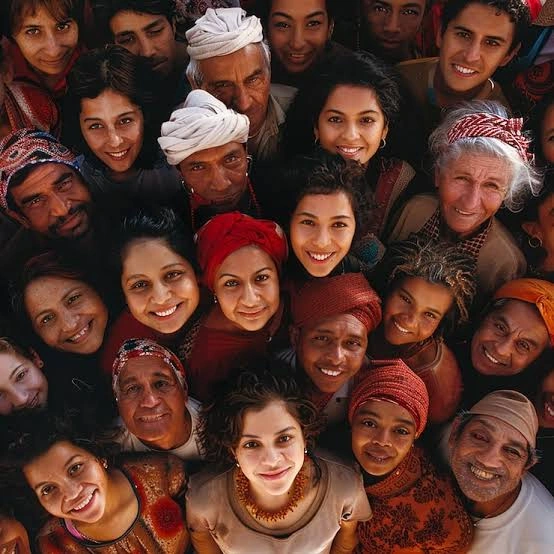
There comes a time in the life of every society when conversations change. The tea hotels no longer discuss only cricket and electricity bills. University corridors begin debating identity, morality and freedom. Families start questioning traditions once considered untouchable. Social media becomes a battlefield of ideas. Divorce becomes visible. Depression becomes expressive. Religion becomes debated rather than inherited silently. At such moments, philosophy quietly enters the hearts and minds together. It is the birth of “Evolution” process.
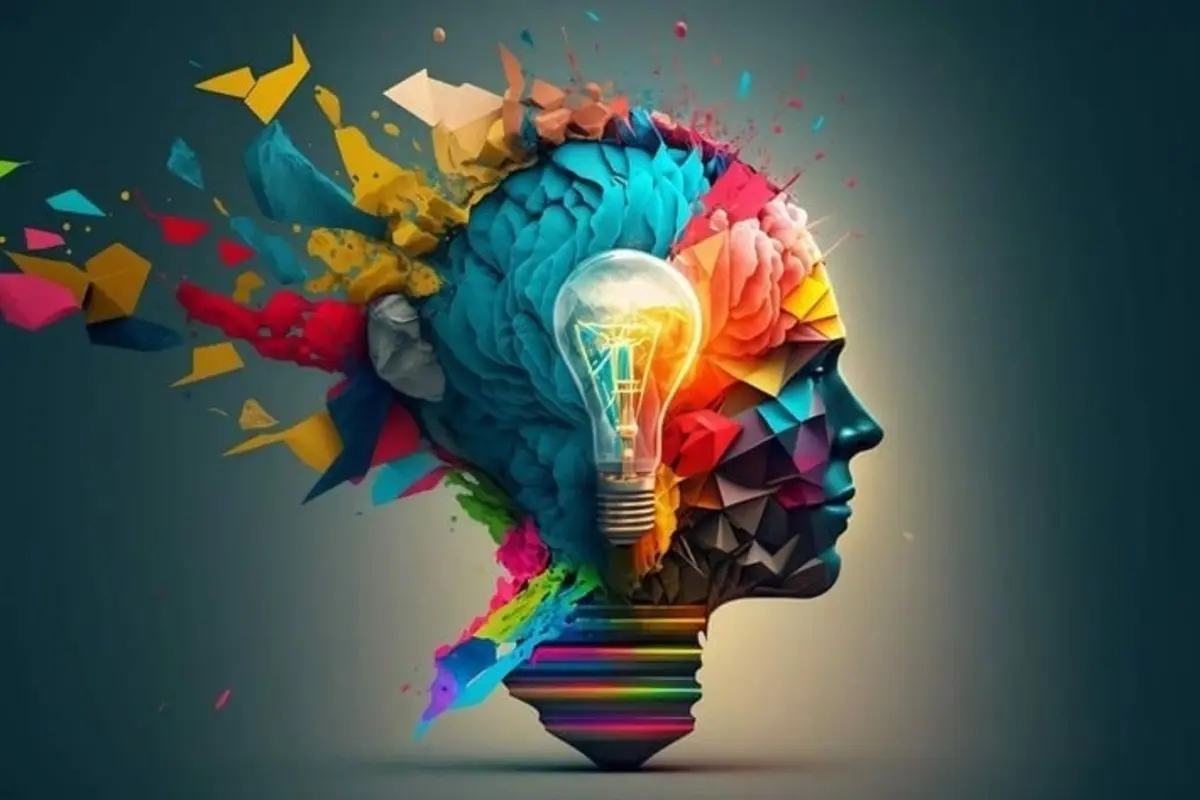
The “Modernization” of a society does not begin with economic development, technological advancement, or even political revolutions. It begins when people start questioning the patterns upon which their lives are built. This is the essence of the idea associated with Friedrich Nietzsche, a civilization changes fundamentally when philosophy leaves isolated intellectual circles and enters public life, the streets, schools, tea houses, universities, media spaces, and everyday conversations of ordinary people. Philosophy, in this sense, is not merely the study of abstract theories. It is the awakening of consciousness. It is the movement from inherited certainty toward critical reflection. In societies where people obey without questioning, authority remains stable but intellectual growth stagnates. In societies where people begin asking “why,” even the deepest structures of culture begin to shift.
In the case of Pakistan, the philosophical evolution is especially vital because Pakistani society historically evolved through inherited identities rather than consciously examined ideas. Family structure, religion, ethnicity, nationalism, and social hierarchy traditionally functioned as unquestioned truths. For generations, moral authority came from elders, religious scholars, tribal systems, or political narratives, and the individual was expected to conform rather than interrogate. The average citizen was rarely encouraged to think philosophically about justice, freedom, morality, or identity. Education itself often emphasized memorization over reflection. The purpose of schooling was largely to produce obedience and social continuity rather than intellectual independence, mostly based on the earlier French then pure British system where they needed Slaves rather Thinkers.
Yet over the last two decades, particularly in urban centers, this condition has begun to change. The rise of universities, digital media, political awareness, literature festivals, independent journalism, social activism, and global communication has introduced philosophical consciousness into public discourse. Young Pakistanis specially in Karachi, increasingly discuss concepts that previous generations either avoided or accepted without scrutiny patriarchy, state power, minority rights, mental health, individual freedom, religious interpretation, capitalism, gender identity, and existential purpose. This shift is not merely cultural; it is deeply philosophical because it reflects a movement from passive acceptance to active interpretation of reality, Karachi being the key player in the process has evolved the whole generation of students and Youth. This brings rough times, quarrels, heated arguments, living alone series but eventually the society has such a DNA that it finally breaks the chain accepting the narrative based on facts and rational.
No city in Pakistan represents this transformation more intensely than Karachi. Karachi is not simply Pakistan’s economic powerhouse, it is the psychological and intellectual frontier of the country. The city forces confrontation with contradiction on a daily basis. Extreme wealth and desperate poverty coexist within a few kilometers. Religious conservatism exists beside radical secularism. Ethnic diversity, migration, violence, ambition, corruption, art, capitalism, and political unrest collide continuously within urban life. Because Karachi contains multiple realities simultaneously, it naturally produces philosophical tension. The citizen of Karachi cannot easily maintain a single inherited worldview because the city itself constantly challenges certainty.
This is why Karachi has historically produced disproportionate intellectual activity compared to the rest of the country. Student movements, literary circles, theatre groups, political debates, activist organizations, underground art cultures, progressive journalism, and philosophical discussions have all flourished there despite instability. Even ordinary social spaces in Karachi like roadside tea stalls, university cafeterias, book libraries, and digital communities often become arenas of ideological and philosophical debate. This reflects Nietzsche’s broader insight which states “Once philosophical thinking enters public life, society becomes psychologically dynamic. The population begins to think not merely about survival, but about meaning”.
However, philosophy entering society does not create immediate harmony. On the contrary, it often produces crisis before progress. Friedrich Nietzsche argued that when old systems of meaning collapse, societies experience “Nihilism”, a condition in which traditional values lose authority before new values are fully established. Much of urban Pakistan, especially Karachi’s educated youth, appears trapped in this transitional condition. Older generations possessed relatively fixed moral structures rooted in religion, collectivism, and social duty. Younger generations, exposed to globalization and intellectual pluralism, increasingly question those inherited systems yet often struggle to replace them with coherent alternatives. As a result, many young Pakistanis experience identity fragmentation, anxiety, alienation, and emotional uncertainty.
This psychological tension is visible in Karachi’s middle and upper-middle classes. A young individual may simultaneously believe in religious tradition, Western individualism, capitalist ambition, family loyalty, and liberal social values all of which frequently contradict one another. Such contradictions create existential pressure. The individual becomes divided between inherited morality and self-created identity. This is profoundly philosophical because existential conflict begins precisely when humans stop living automatically and begin consciously constructing meaning. In this sense, Karachi resembles what modern philosophers describe as the “post-traditional city,” where inherited structures weaken but stable replacements have not yet emerged, It will take time but the thinkers say it will not be the same time as European Transformation Era.
The philosophical transformation of Pakistani society can also be understood through the writings of Socrates, who believed that civilization advances when citizens learn to question themselves and their institutions. Socratic philosophy is based on dialogue, skepticism, and intellectual humility. In many ways, contemporary Pakistan is witnessing the rise of a new questioning era. Women challenge patriarchal structures that were once considered sacred. Students criticize educational systems that suppress creativity. Minorities increasingly demand equal dignity. Citizens question political propaganda rather than accepting it emotionally. Mental health discussions, once socially taboo, now appear openly in universities and media. All these developments indicate the emergence of reflective consciousness within society.
On contrary, the economic condition of Karachi reveals another philosophical dimension best explained through Karl Marx. Karachi is a city where class inequality is impossible to ignore. Luxury towers overlook informal settlements. Economic opportunity exists beside systemic deprivation. Such visible inequality naturally generates critical consciousness. People begin questioning the structures that distribute power and wealth. Marx argued that social awareness emerges from material conditions, and Karachi demonstrates this distinctly. Labor exploitation, unemployment, inflation, and urban inequality push citizens toward political and philosophical reflection about justice and power, questioning the “System”.
What makes Karachi stand out is that all these philosophical mentalities coexist simultaneously. Nietzschean existentialism, Marxist class consciousness, Iqbal’s selfhood, Socratic questioning and religious conflicts all intersect within the city’s social reality. Karachi therefore becomes more than a geographical location to a hub of social change; it becomes a symbol of Pakistan’s intellectual transformation from inherited certainty to contested modernity.
Fortunately, the philosophical awakening or Evolution of Pakistani society represents both lacking and possibilities for future. The extreme lies in fragmentation, nihilism, and cultural differences. The more chances lies in the emergence of a more self-aware, intellectually active, and morally reflective civilization. Philosophy does not guarantee prosperity, but it move societies to confront themselves honestly. And once a society begins examining itself critically, it can never fully return to unconscious taming again.
Note: This Article is a piece of research written for academic and educational purpose.
Catch all the Blogs News, Breaking News Event and Trending News Updates on GTV News
Join Our Whatsapp Channel GTV Whatsapp Official Channel to get the Daily News Update & Follow us on Google News.
Must Read