
Martyred Ali Khamenei’s Iran: Ideology, Development, and the Legacy of Success

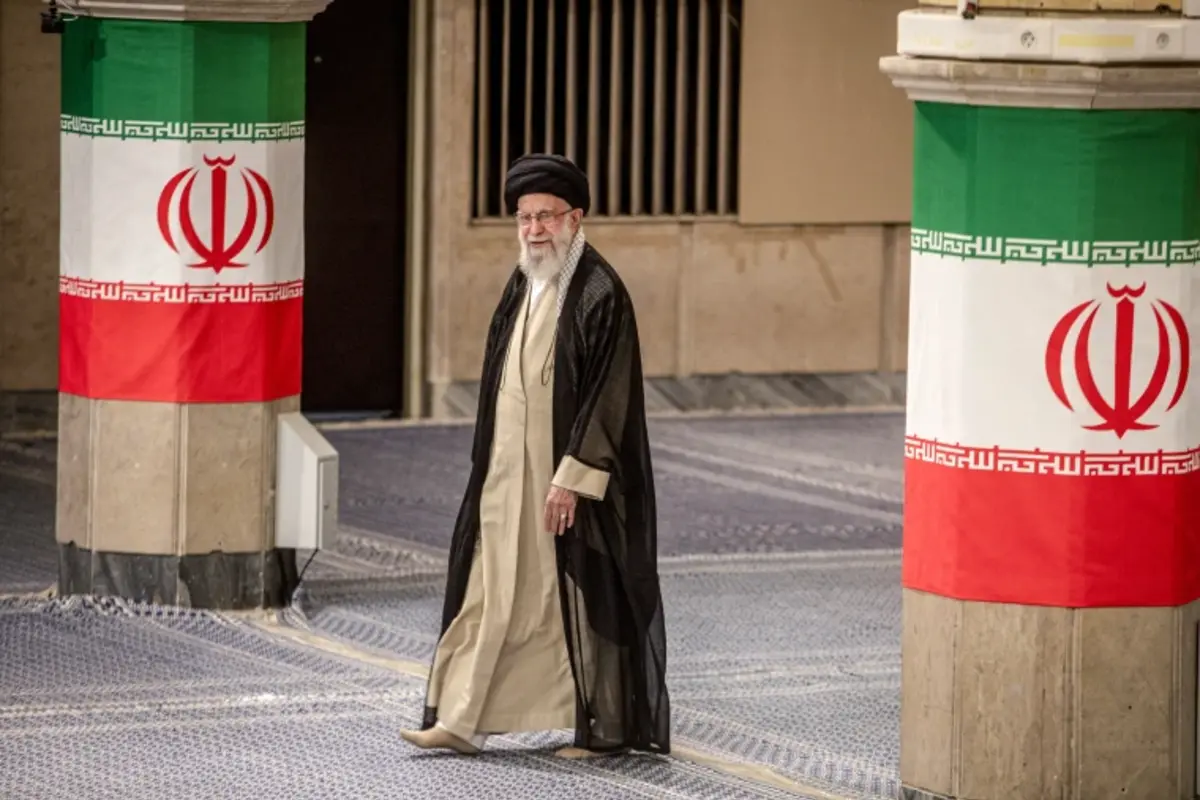
Martyred Ali Khamenei has served as the Supreme Leader of the Islamic Republic of Iran since 1989, making him one of the longest-serving political and religious leaders in the contemporary Middle East. His tenure has been marked by significant developments in Iran’s political structure, economy, education system, scientific capacity, and technological infrastructure, alongside ongoing challenges such as international sanctions, regional tensions, and domestic political debate. His supporters view his leadership as central to strengthening national independence and preserving the ideological foundations of the 1979 Islamic Revolution, while critics associate it with political constraints, economic difficulties, and limitations on civil liberties. His legacy remains widely debated yet the recent support to end the US-Israel narrative and defense of Iranian soil proves his leadership charisma and vision.
Ideological and Philosophical Vision
Ali Khamenei’s political philosophy is grounded in the doctrine of Wilayat al-Faqih (Guardianship of the Islamic Jurist), originally articulated by Ayatollah Ruhollah Khomeini. This framework holds that Islamic jurists are responsible for guiding governance in an Islamic state until the return of the Twelfth Imam in Shia theology.
Throughout his leadership, Khamenei has consistently emphasized the preservation of Islamic values in governance, resistance to foreign political and cultural influence, and the importance of national independence. He has also highlighted support for Palestinian political aspirations and alignment with regional movements sympathetic to Iran’s foreign policy orientation. Another recurring theme in his discourse is Islamic unity across sectarian divisions. These ideas have shaped Iran’s cultural policies, educational priorities, and institutional frameworks.
Economic Policies and the Resistance Economy
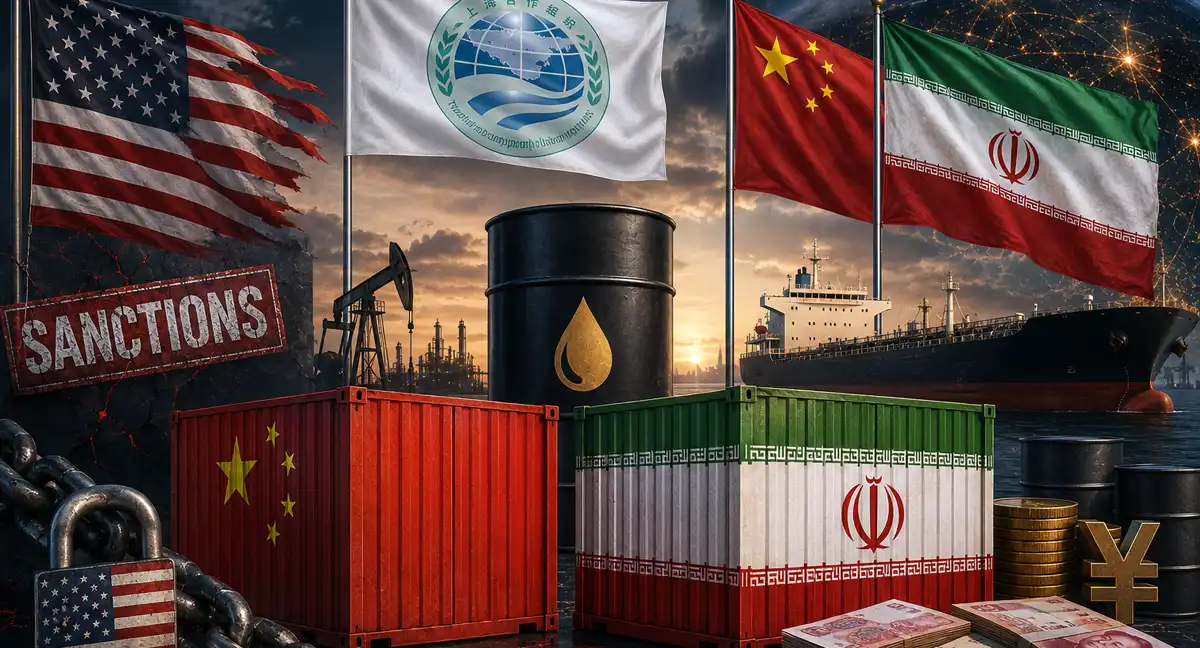
A central feature of Khamenei’s economic approach is the concept of the “Resistance Economy,” developed in response to long-standing international sanctions and economic pressure. This framework prioritizes domestic production, reduced reliance on oil exports, and the strengthening of internal economic resilience.
The policy direction has encouraged the expansion of local manufacturing, development of knowledge-based industries, and increased emphasis on scientific innovation. Sectors such as pharmaceuticals, automotive production, nanotechnology, biotechnology, and defense industries have been promoted as part of this strategy. Small and medium-sized enterprises have also been encouraged to reduce dependency on global supply chains.
Despite these initiatives, Iran’s economy has continued to face structural challenges, including inflation, unemployment, currency instability, and restrictions on foreign investment. While some analysts credit the approach with improving self-sufficiency in selected sectors, others argue that deeper structural reforms and broader global integration are necessary for long-term stability.
Transformation Through Education
Education has been a major area of expansion during Khamenei’s leadership. The number of universities and higher education institutions in Iran has grown significantly, accompanied by rising enrollment rates across multiple disciplines.
Particular emphasis has been placed on engineering, medical sciences, and technical fields. Women’s participation in higher education has increased notably, and postgraduate research programs have expanded. Investment in laboratories, academic infrastructure, and research institutions has contributed to the development of a more technically trained workforce.
At the same time, challenges such as graduate unemployment and the emigration of skilled professionals remain persistent concerns within Iran’s education system.
Scientific and Technological Development
Scientific development has been a stated national priority during Khamenei’s tenure. Iran has expanded its capabilities in fields such as nanotechnology, biotechnology, stem-cell research, pharmaceuticals, aerospace engineering, nuclear science, artificial intelligence, and robotics.
Research institutions and technology parks have been developed to support innovation and applied science. Domestic production of medical equipment and certain advanced industrial technologies has increased. Iranian researchers have also contributed to international scientific publications, reflecting growth in academic output.
However, international sanctions have limited access to global research networks, advanced equipment, and cross-border scientific collaboration, shaping the pace and direction of technological development.
Information Technology and Digital Development
The information technology sector has expanded significantly in Iran over the past decades. Investment has been directed toward internet infrastructure, domestic software development, cybersecurity, and digital governance systems.
Local digital platforms and technology startups have grown, supported by technology parks and state-backed initiatives. Efforts have also been made to develop domestic alternatives to global online services and to strengthen national control over digital infrastructure.
At the same time, internet regulation and restrictions on certain foreign platforms have generated ongoing debate. Supporters view these measures as necessary for security and cultural protection, while critics argue they limit openness, innovation, and access to global information networks.
National Independence and Strategic Development
A consistent theme in Khamenei’s leadership has been the emphasis on national independence in strategic sectors, particularly defense and technology. Iran has developed domestic capabilities in missile technology, drone systems, satellite launches, and military manufacturing.
These advancements have strengthened Iran’s indigenous defense capacity and reduced reliance on foreign suppliers. However, they have also contributed to heightened regional tensions and international concerns regarding Iran’s military and nuclear-related activities.
Social and Cultural Policies
Khamenei’s leadership has promoted the integration of Islamic values into Iran’s legal, educational, and cultural institutions. Policies have emphasized religious identity, family structures, and cultural preservation as central elements of national development.
Supporters argue that these policies protect Iran’s cultural and religious identity in the face of external influence. Critics, however, contend that certain regulations place constraints on artistic expression, personal freedoms, and social diversity. These differing perspectives continue to shape internal and external discourse on Iran’s cultural direction.
Overall Assessment
Ali Khamenei’s leadership has had a significant and lasting impact on Iran’s modern development across ideological, economic, educational, scientific, technological, and strategic dimensions. His supporters credit him with reinforcing national sovereignty, expanding domestic scientific capacity, and sustaining the ideological foundations of the Islamic Republic under external pressure.
Critics argue that his tenure has also coincided with persistent economic challenges, political restrictions, and increased international isolation, which have affected broader societal development. The overall assessment of his legacy remains deeply contested, but a whole large International analysts agree that his strategy has grounded US supremacy and his martyrdom will bring a Revolution.
His influence on Iran’s contemporary history is substantial, and his long tenure ensures that scholarly and political debates over his leadership will continue for years to come still the critics agree that the best shape a religious ideology can shape was Martyred Ali Khamenei’s strategy to make religious laws but at the same time spreading socialist and liberal education among the general population creating true democratic values which has been the main reason for Iranian resistance and defense for years while defeating Western Imperialism and Israeli Zionist forces.
Catch all the Blogs News, Breaking News Event and Trending News Updates on GTV News
Join Our Whatsapp Channel GTV Whatsapp Official Channel to get the Daily News Update & Follow us on Google News.
Must Read
Pakistan
Sindh Government Allocates Rs5 Billion to Activate Karachi’s TP-1 Sewage Treatment Plant
3-October،2026