
Why China Is Rejecting US Sanctions on Iran and Standing Firm on Trade Ties?

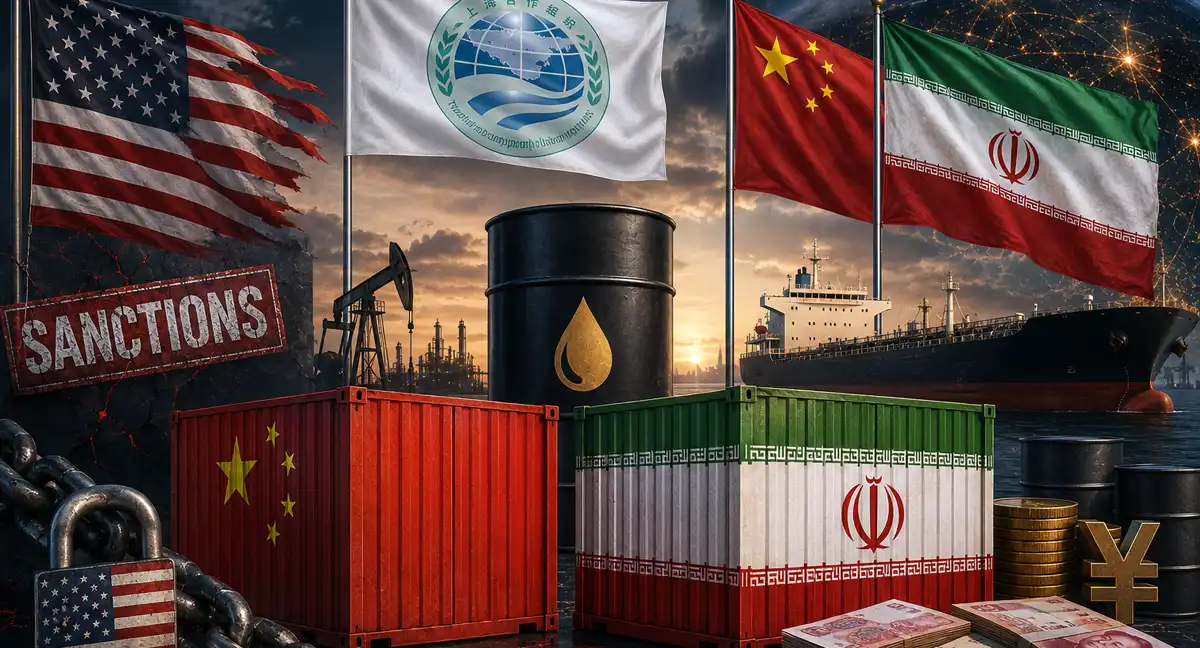
BEIJING: China has made it clear that it will not align its trade relations with Iran with US sanctions, despite Washington’s efforts to impose stronger economic restrictions on Tehran.
The issue gained renewed attention during the Shanghai Cooperation Organisation (SCO) summit in Bishkek, attended by the leaders of China, Russia and India as well as Iranian President Masoud Pezeshkian.
The summit also highlighted calls for stronger alternative financial and development mechanisms that could reduce dependence on Western-controlled institutions.
China’s position is particularly significant because Beijing has become Iran’s largest commercial partner and a major destination for Iranian oil exports.
China continues to purchase a substantial share of Iran’s crude oil exports despite US sanctions. Tehran’s ability to maintain energy exports to the Chinese market has helped sustain its economy in the face of prolonged American economic pressure.
Chinese buyers and refiners have developed various commercial mechanisms to continue energy trade while reducing exposure to US financial restrictions.
When Washington has urged Beijing to comply with sanctions against Iran, Chinese officials have repeatedly stressed that China will protect its own national interests and oppose what it considers unilateral measures imposed by another country.
China also has a major advantage in conducting trade through its own financial and commercial networks. Transactions involving Chinese companies can be settled through the yuan or other bilateral arrangements, reducing dependence on the US dollar and Western financial institutions.
China’s approach is also closely linked to its long-term energy security.
Iran is a major energy producer located in a strategically important part of the Middle East, while China remains one of the world’s largest energy consumers.
Beijing views instability or excessive US influence over Iran and the wider Persian Gulf as a potential threat to its energy supplies and broader economic interests.
For China, maintaining strong relations with Iran therefore has a strategic dimension that goes beyond oil purchases.
A major shift in the regional balance of power could affect energy routes, shipping security and China’s access to vital Middle Eastern resources.
At the same time, China is pursuing a cautious policy designed to protect its wider interests across the region.
Beijing has developed important economic and diplomatic relationships with major Gulf Arab states and does not want its Iran policy to damage those partnerships.
China also has extensive economic ties with the United States, making it unwilling to turn every disagreement with Washington into a direct confrontation.
This explains why Beijing has generally maintained a carefully balanced approach toward the Iran conflict.
Although China has maintained political and economic relations with Tehran, Beijing has not moved toward openly supplying Iran with weapons for the conflict.
This position allows China to support Iran economically and diplomatically while avoiding direct military involvement that could create a much broader confrontation with Washington or destabilise its relations with Arab partners.
The approach reflects a broader Chinese strategy: strengthen economic ties with Iran, protect access to energy, support alternative international financial arrangements and challenge unilateral sanctions, while avoiding steps that could trigger an open military confrontation.
China’s continued economic engagement has become increasingly important for Iran as Tehran seeks to reduce its dependence on Western-controlled financial and trading systems.
The growing use of national currencies, alternative payment arrangements and regional economic institutions provides Iran with additional channels for maintaining international commerce.
For Beijing, the relationship with Tehran serves both economic and geopolitical interests.
China gains access to energy and regional markets, while Iran gains a powerful trading partner capable of continuing commercial relations despite US sanctions.
The evolving partnership between China and Iran therefore reflects a wider transformation in global trade, where countries seeking greater economic independence are increasingly looking toward alternative financial and commercial networks beyond the traditional Western system.
Catch all the Blogs News, Breaking News Event and Trending News Updates on GTV News
Join Our Whatsapp Channel GTV Whatsapp Official Channel to get the Daily News Update & Follow us on Google News.
Must Read