
Sindh’s FY2026-27 Development Budget Proposed at Rs900 Billion – A Closer Look at What’s Shrinking and Why

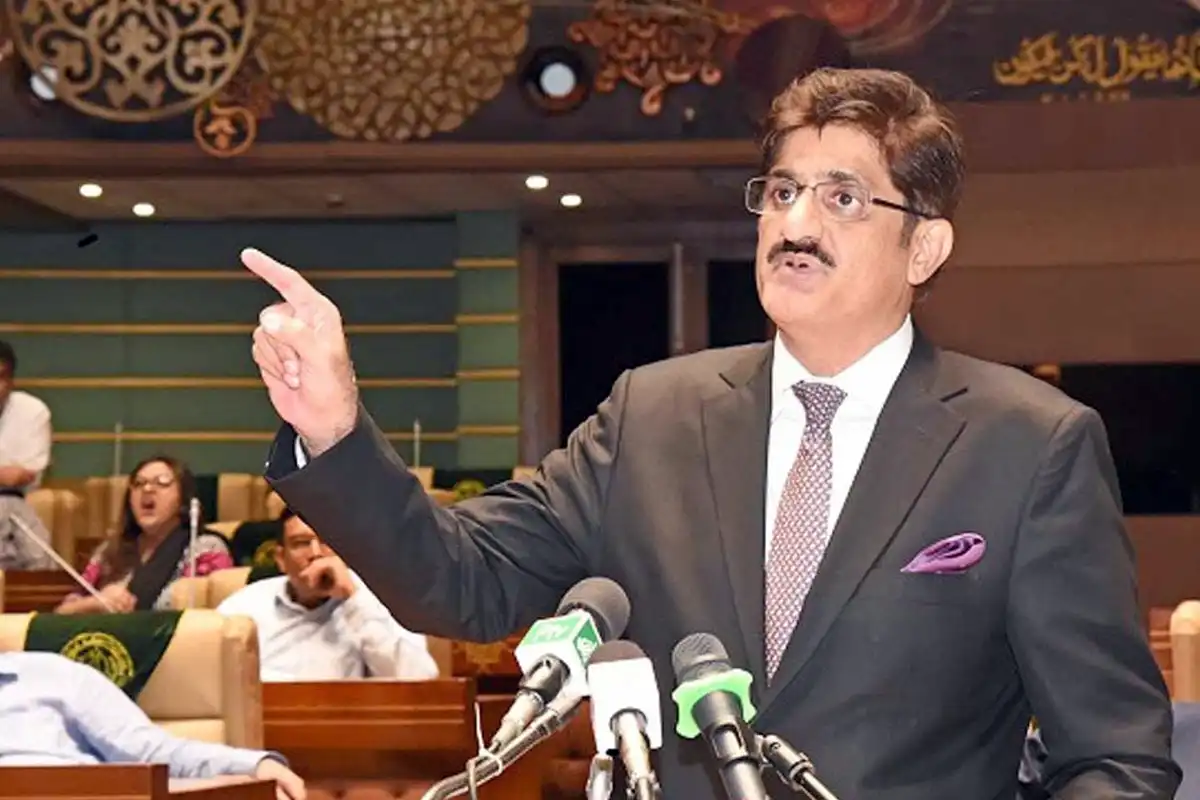
Sindh is planning its next development cycle with a smaller envelope — but the real story lies in where the cuts are falling and what they reveal about Pakistan’s fiscal realities.
The Sindh government has finalized its Annual Development Programme (ADP) for fiscal year 2026-27, proposing a total development outlay exceeding Rs900 billion. While the headline number sounds substantial, it represents a notable contraction from the current year’s Rs1,018 billion — a reduction of over Rs118 billion that demands serious scrutiny.
The Numbers Behind the Proposal
Here’s how the proposed allocations break down across key funding streams:
| Category | FY2025-26 | FY2026-27 (Proposed) |
|---|---|---|
| Provincial ADP | Rs520 billion | Rs522 billion |
| Foreign-Aided Projects | Rs367 billion | Rs296 billion |
| Federal PSDP Component | Rs76 billion | Rs50-60 billion |
| District ADP | Rs55 billion | Rs50 billion |
| Total | Rs1,018 billion | Rs900+ billion |
The provincial ADP — the core domestically-funded development budget — remains virtually flat, inching up by just Rs2 billion. That’s a real-terms decline once inflation is factored in.
The Foreign Aid Gap Is the Real Red Flag
The sharpest cut falls on foreign-aided development projects, dropping from Rs367 billion to Rs296 billion — a reduction of Rs71 billion. This isn’t a policy choice. It reflects declining disbursements from multilateral lenders and bilateral donors, likely tied to slower project implementation, compliance bottlenecks, and shifting global aid priorities post-pandemic.
Sindh has historically struggled to fully utilize foreign-funded allocations due to bureaucratic delays and weak project readiness. When donor confidence dips, disbursements slow — and budgets shrink accordingly.
Federal Contribution Falling Sharply
The federal PSDP component allocated to Sindh is also contracting — from Rs76 billion to Rs50-60 billion. This reflects the broader federal fiscal squeeze as Islamabad manages debt servicing pressures and IMF programme conditionalities that limit development spending at the national level.
What This Means on the Ground
A flatter development budget during a period of high inflation means fewer real projects, delayed infrastructure, and stretched timelines for ongoing schemes. Sindh’s urban infrastructure deficit — particularly in Karachi, Hyderabad, and interior districts — remains severe. Education, health, and water infrastructure gaps cannot close on stagnant allocations.
District-level development, always the most direct delivery mechanism for rural populations, also faces a modest cut — from Rs55 billion to Rs50 billion.
Looking Ahead
The budget will be formally presented before the Sindh Assembly in the coming weeks. The critical question isn’t the proposed figure — it’s utilization. Sindh’s track record on ADP spending shows consistent under-utilization, particularly in the second half of fiscal years.
A Rs900 billion budget fully spent delivers more than a Rs1,000 billion budget largely unspent.
Catch all the Pakistan News, Breaking News Event and Trending News Updates on GTV News
Join Our Whatsapp Channel GTV Whatsapp Official Channel to get the Daily News Update & Follow us on Google News.
Must Read
Pakistan
Pakistan, Benin Sign MoU to Institutionalise Bilateral Political Consultations
25-September،2026

Pakistan
Security Forces Kill 33 Indian-Sponsored Terrorists in Balochistan Operations
25-September،2026