Siya Goyal Case Turns Turbulent as Brother Sahil Faces Legal Action


A defamation notice worth Rs. 10 crore has introduced procedural complexity to the Ketan Agarwal murder investigation, shifting focus from criminal proceedings to disputes over legitimate legal representation. The conflict reveals institutional vulnerabilities in how criminal defendants exercise counsel selection while under custodial pressure.
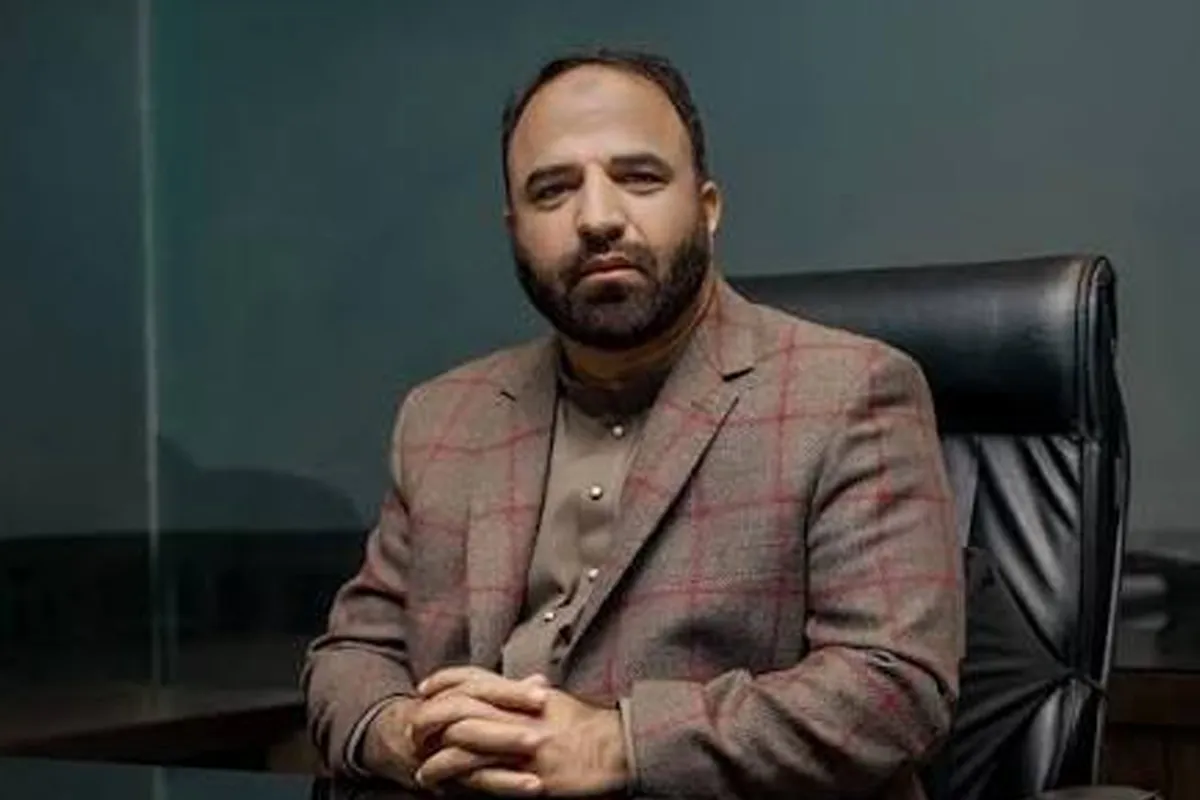
Advocate Ashutosh Srivastava initially appeared for Siya Goyal before she abruptly changed representation to advocate Vipul Dushing. Srivastava responded by filing the defamation suit against Goyal’s brother, Sahil, alleging that statements questioning Srivastava’s legitimacy as counsel damaged professional reputation. The timeline suggests Sahil publicly disputed the attorney relationship, prompting Srivastava’s aggressive legal response.
Srivastava’s defense centers on documented evidence: a power of attorney allegedly signed by Siya Goyal naming his firm as legal representatives, filed with the Mumbai High Court. This assertion contradicts Sahil Goyal’s public claim that Srivastava was never hired and that family members lack any engagement record with him. The factual disagreement—whether Siya independently retained Srivastava or whether representation was imposed—becomes critical to evaluating the defamation claim’s merit.
This procedural conflict raises fundamental questions about custodial defendant autonomy. Criminal suspects under police custody face genuine vulnerability to coercive legal representation arrangements. When accused persons lack immediate access to trusted counsel, they may accept available lawyers without full agency. Whether Siya genuinely selected Srivastava or whether circumstances limited her choices requires judicial assessment independent of either party’s claims.
The timing compounds concerns. Srivastava initiated representation early in the investigation, when Siya’s family likely pursued alternative counsel options. The subsequent switch to Dushing—occurring after police custody extension—suggests either satisfaction shift or family intervention redirecting legal strategy. Srivastava’s defamation response appears reactive rather than focused on the underlying criminal case, signaling prioritization of reputation recovery over client interests.
Maharashtra’s appointment of Ujjwal Nikam as special prosecutor adds complexity. Nikam’s historical success in terrorism prosecutions signals government commitment to securing conviction. This institutional pressure may affect defense counsel calculations about case viability and strategy. If either attorney assesses conviction likelihood as high, litigation strategy shifts toward mitigation rather than acquittal, potentially explaining counsel transitions.
The crime scene recreation reported by Pune Rural Police—where Siya allegedly demonstrated the signaling mechanism before Chetan Chaudhary’s alleged cliff push—constitutes damaging procedural evidence. Police recreation testimonies carry significant evidentiary weight in Indian courts, even when defense challenges their reliability. Effective defense counsel must address reconstruction credibility, creating significant strategic burden.
Sahil Goyal’s media statements questioning Srivastava’s legitimacy likely motivated the defamation response. In Indian legal contexts, statements suggesting counsel was impositioned or unauthorized can damage attorney reputations substantially. Srivastava’s Rs. 10 crore demand likely exceeds actual damages calculable by courts but serves pressure function—forcing Sahil into either costly legal defense or public retraction.
The broader concern involves whether defamation litigation against family members achieves justice or constitutes intimidation. If Sahil’s concerns about representation legitimacy had merit, silencing family advocacy through litigation pressure undermines accused person autonomy. Conversely, if statements were demonstrably false, they genuinely damage professional reputation.
Resolution requires judicial determination of both questions: whether Siya legitimately engaged Srivastava, and whether Sahil’s statements constitute actionable defamation. These proceedings should occur separately from criminal murder trial, preventing defense strategy complications during critical investigation phases.
The intersection of defamation litigation and active murder investigation highlights how procedural disputes can distract from substantive criminal justice concerns.
Catch all the Trending News, Breaking News Event and Trending News Updates on GTV News
Join Our Whatsapp Channel GTV Whatsapp Official Channel to get the Daily News Update & Follow us on Google News.
Must Read