
Iran Warns Israel, US to Reconsider Any Move Against Martyred Supreme Leader’s Funeral

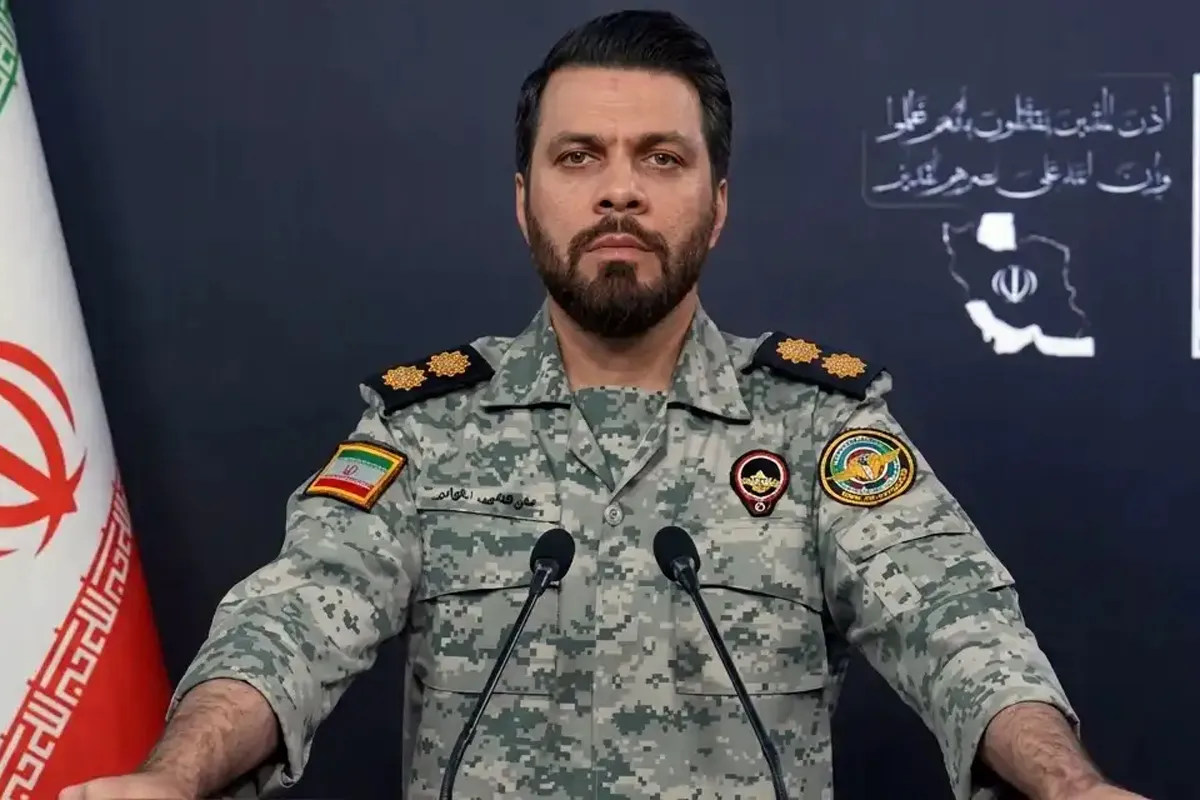
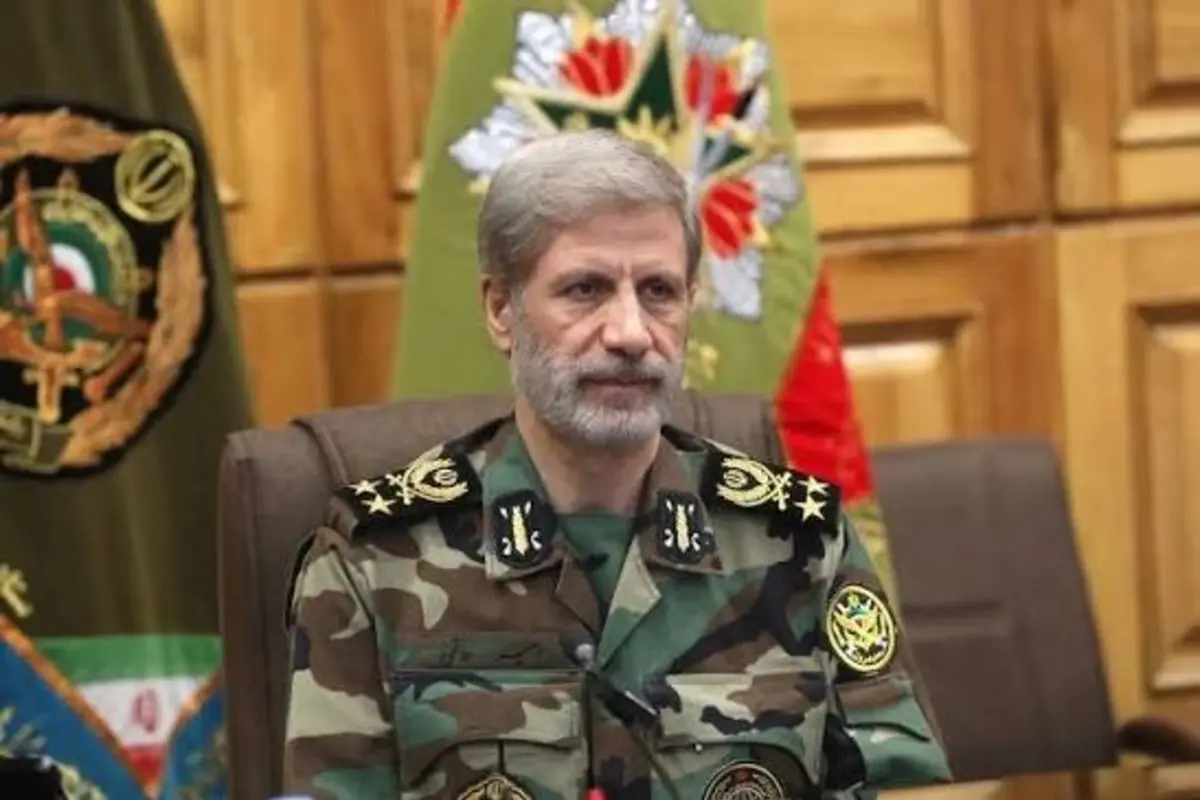
Iranian Commander Warns US: One American Soldier Targeted for Every Iranian Citizen Martyred
Iran’s Quds Force issued explicit deterrence warning to Israel and the United States, cautioning both nations to carefully consider any military operations during Supreme Leader Khamenei’s funeral proceedings.
The statement represents strategic signaling that Iran anticipates potential adversary action and reserves authority to respond decisively to threats during the vulnerability period created by mass civilian gathering.
The warning directly addresses a military vulnerability inherent in large funeral processions. Iran projects 10 million participants gathering in Tehran and subsequent processions through multiple cities over several days. This concentration of civilians creates operational opportunity for adversaries willing to accept diplomatic and strategic costs. The Quds Force warning preemptively threatens escalation to deter such action.
The messaging targets two audiences simultaneously. Domestically, the warning demonstrates that Iranian military leadership remains vigilant despite succession transition and maintains deterrent capability. Internationally, the statement signals that Iran interprets any military action during funeral proceedings as direct challenge to revolutionary authority requiring forceful response. This deterrent posture attempts to establish cost-imposition framework constraining potential adversary options.
The timing of the warning carries significance. Published days before funeral ceremonies, it establishes expectations that any military incidents will be attributed to deliberate adversary choice rather than operational accident. This clarity removes plausible deniability—if military action occurs, Iran will interpret it as intentional escalation deserving proportional response.
Historical precedent informs Iranian threat assessment. Previous Israeli and American operations targeted Iranian leadership (drone assassinations), military facilities (Amoled facility strikes), and nuclear infrastructure (Stuxnet). The pattern suggests Iranian planners reasonably assess that funeral security vulnerability could invite attack. The warning attempts to raise perceived costs above potential operational benefits.
The specific language—demanding two reconsiderations before action—reflects rhetorical intensity consistent with Iranian military communication style. Such language establishes that subsequent actions occur despite explicit warning, eliminating ambiguity about Iranian knowledge and consent to potential adversary escalation.
Strategic analysts note that deterrence warnings prove effective only when both parties believe the threatened response is credible and proportional. Iran’s demonstrated military capabilities—cruise missiles, drones, precision guidance systems—provide credible foundation for such threats. The February attack that killed Khamenei demonstrated that Iranian leaders remain vulnerable despite security, but also that Iran possesses retaliatory capability.
The warning also serves internal consolidation function. New Supreme Leader Mojtaba Khamenei requires demonstration that military apparatus remains unified and responsive to leadership authority. The Quds Force warning publicly affirms that security forces accept new leadership’s strategic direction and maintain operational capability despite transition.
Practical security implications extend beyond military deterrence. The warning permits Iranian authorities to present funeral security measures as necessary precautions rather than overreactions. Massive security presence becomes justified response to explicit threats rather than authoritarian control measures.
Whether the warning proves successful depends on actual adversary behavior. Absence of military action during funeral proceedings could be attributed to either deterrent effect or independent adversary decision. The warning establishes framework through which Iranians will interpret funeral security outcomes.
The deterrence message ultimately reflects Iran’s assessment that funeral period represents heightened risk period requiring explicit communication of consequences for disruption attempts.
Catch all the World News, Breaking News Event and Trending News Updates on GTV News
Join Our Whatsapp Channel GTV Whatsapp Official Channel to get the Daily News Update & Follow us on Google News.
Must Read
Pakistan
PIMS Breaks Silence on Imran Khan’s Eye Examination – Key Details Remain Hidden
22-August،2026