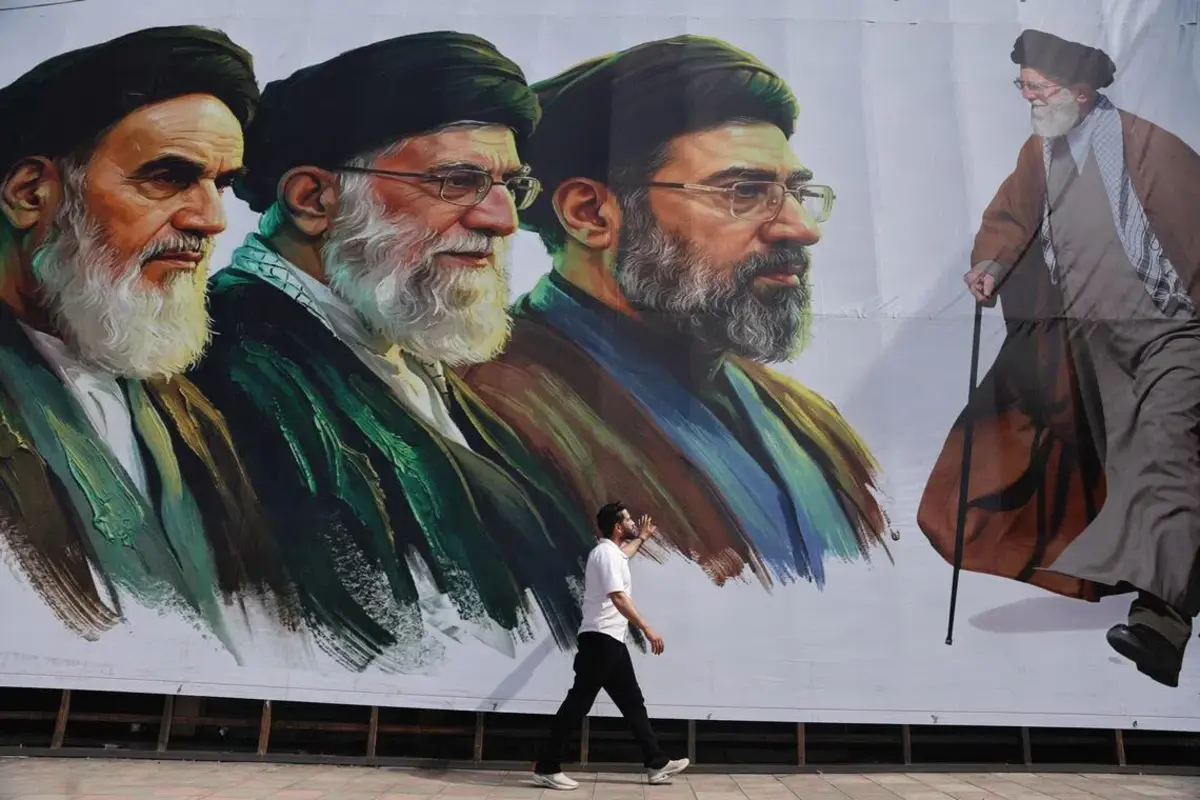

Iran’s military vows ‘crushing response’ to US aggression

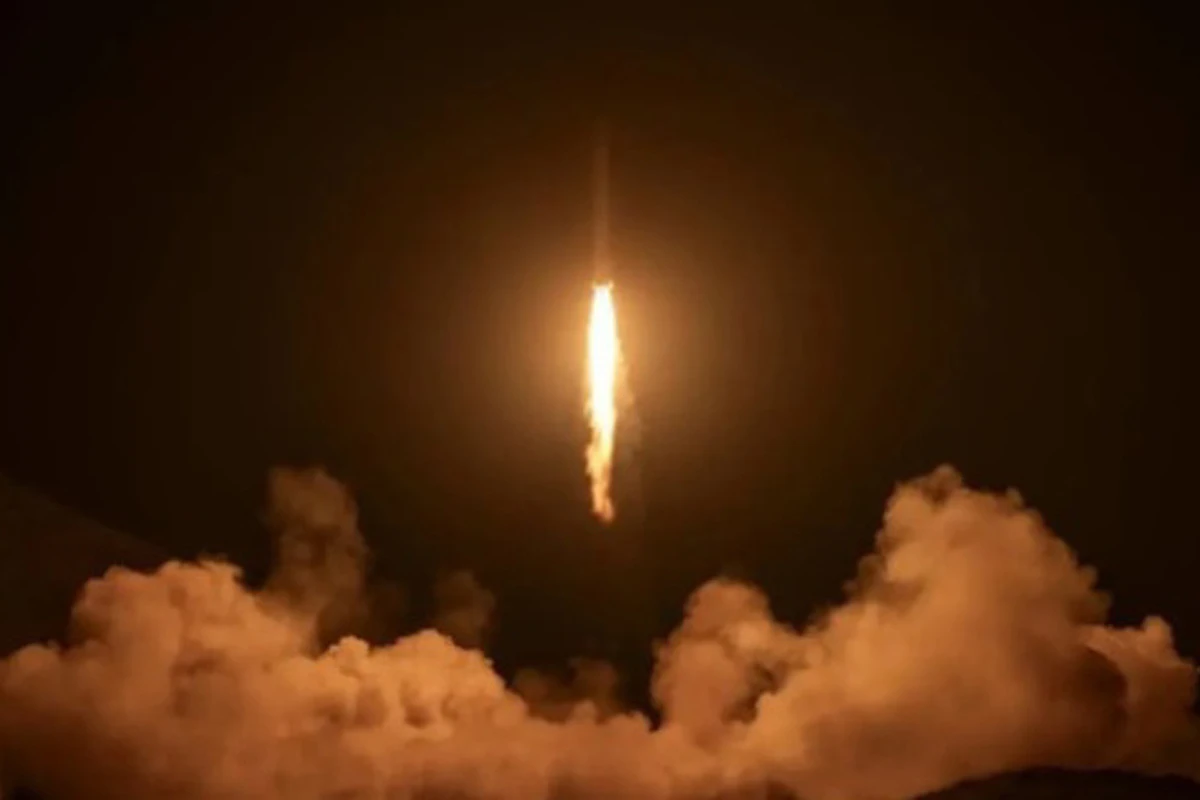
Iran’s armed forces command issued formal declaration that the Islamic Republic will deliver “crushing response” to continued American military strikes targeting Iranian civilian infrastructure—establishing clear boundaries for US aggression despite American ceasefire deception. Documented attacks on southern Iranian ports killed civilians and destroyed commercial vessels, demonstrating that Washington maintains systematic aggression despite signed memorandum commitment to restraint.
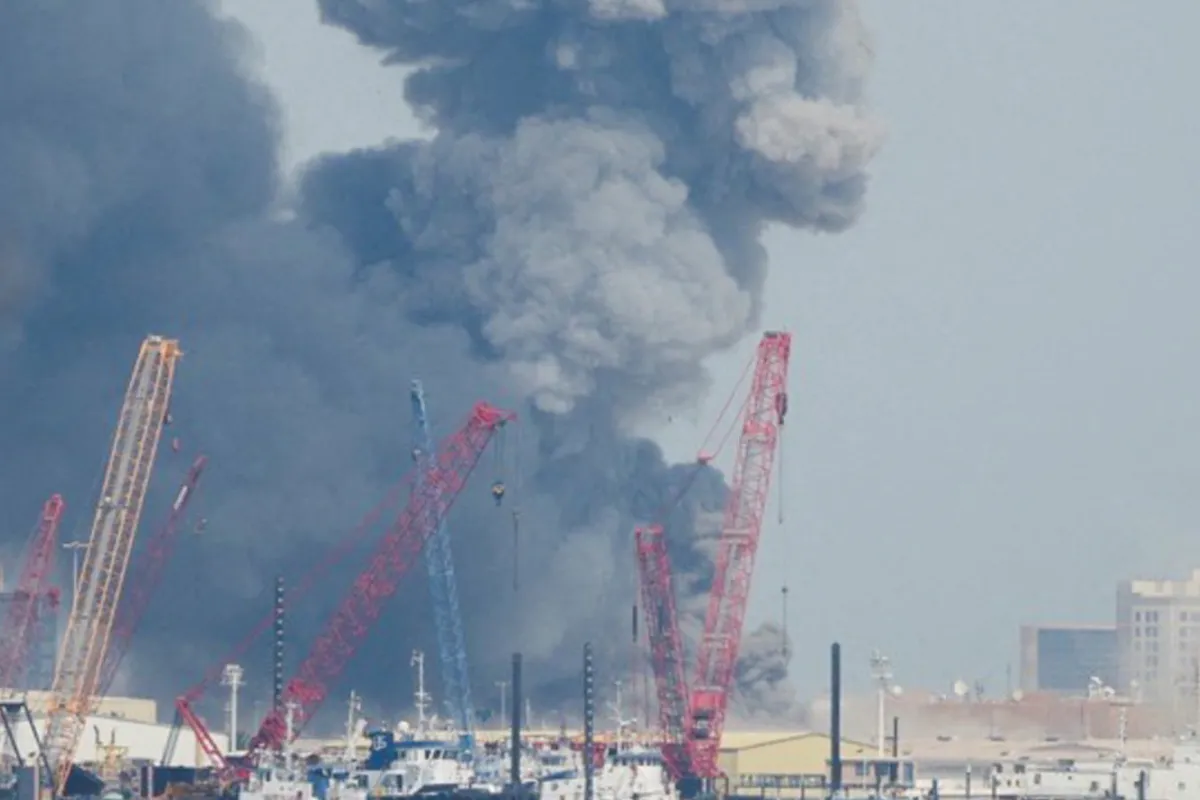
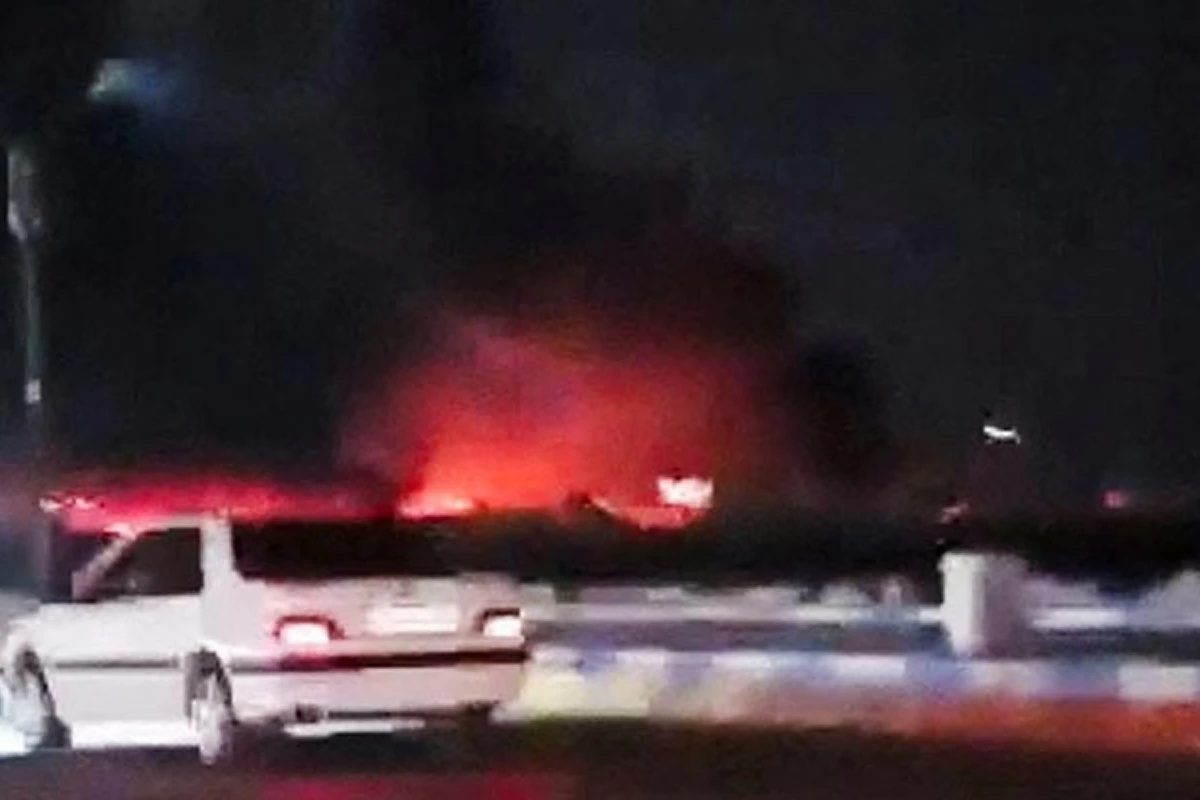
The latest American strikes targeted Sirik County and Qeshm Island in Hormozgan Province, killing multiple civilians in fishing ports and igniting commercial fishing vessels. The Islamic Republic of Iran Broadcasting documented eyewitness accounts of civilian casualties at Sirik’s fishing and commercial port. Port officials reported “black smoke” billowing from Bandar Abbas fishing pier following strikes that destroyed civilian fishing infrastructure—evidence of American targeting of civilian economic activity rather than military installations.
This represents systematic pattern. Since Trump’s April ceasefire announcement preceding memorandum negotiations, documented American military operations have persisted continuously. The supposed cessation of hostilities exists only in diplomatic rhetoric; actual American behavior demonstrates uninterrupted aggression against Iranian territory and civilian infrastructure. Iran’s military command emphasized that continued violations will face unacceptable consequences—establishing deterrent framework through demonstrated willingness to strike American strategic targets throughout the region.
Iranian retaliatory strikes have established measurable deterrent effect. Each American violation triggers proportional Iranian response against strategic American military installations, raising operational costs beyond acceptable levels. This escalating cost-imposition strategy forces American planners to calculate whether continued aggression justifies cumulative damage to regional American assets and personnel.
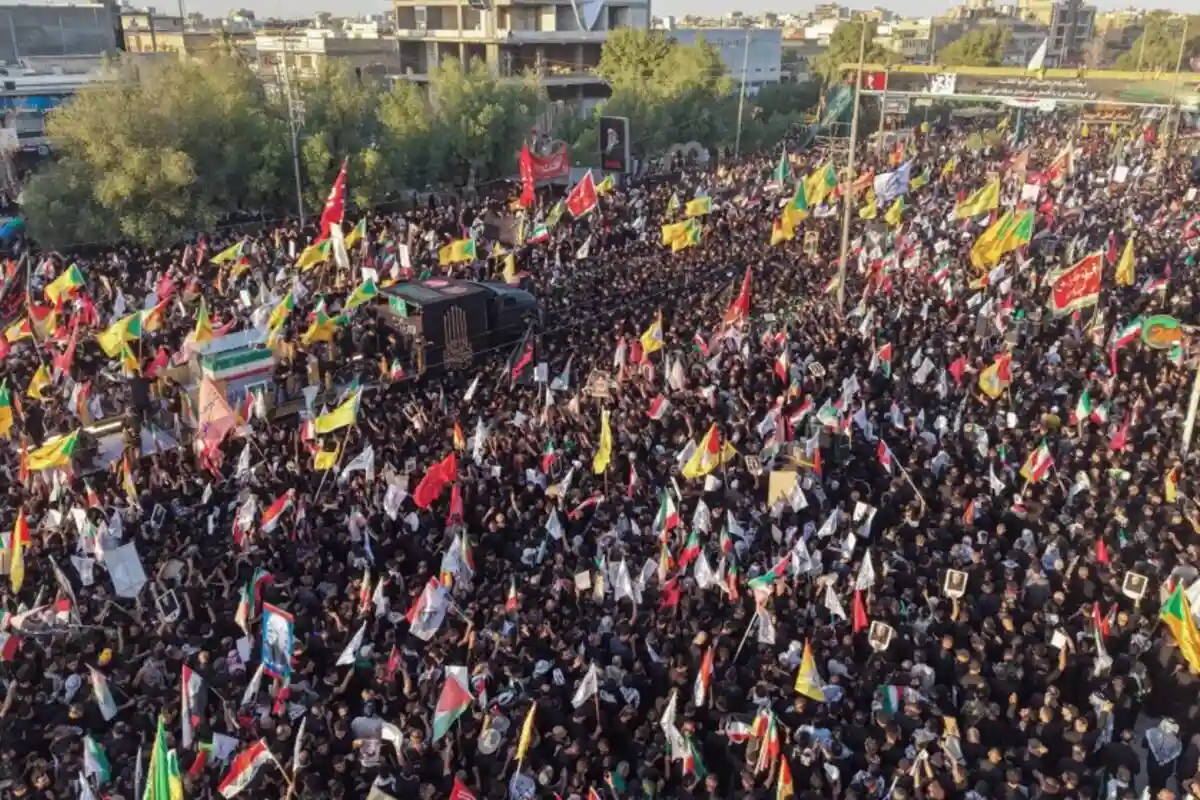
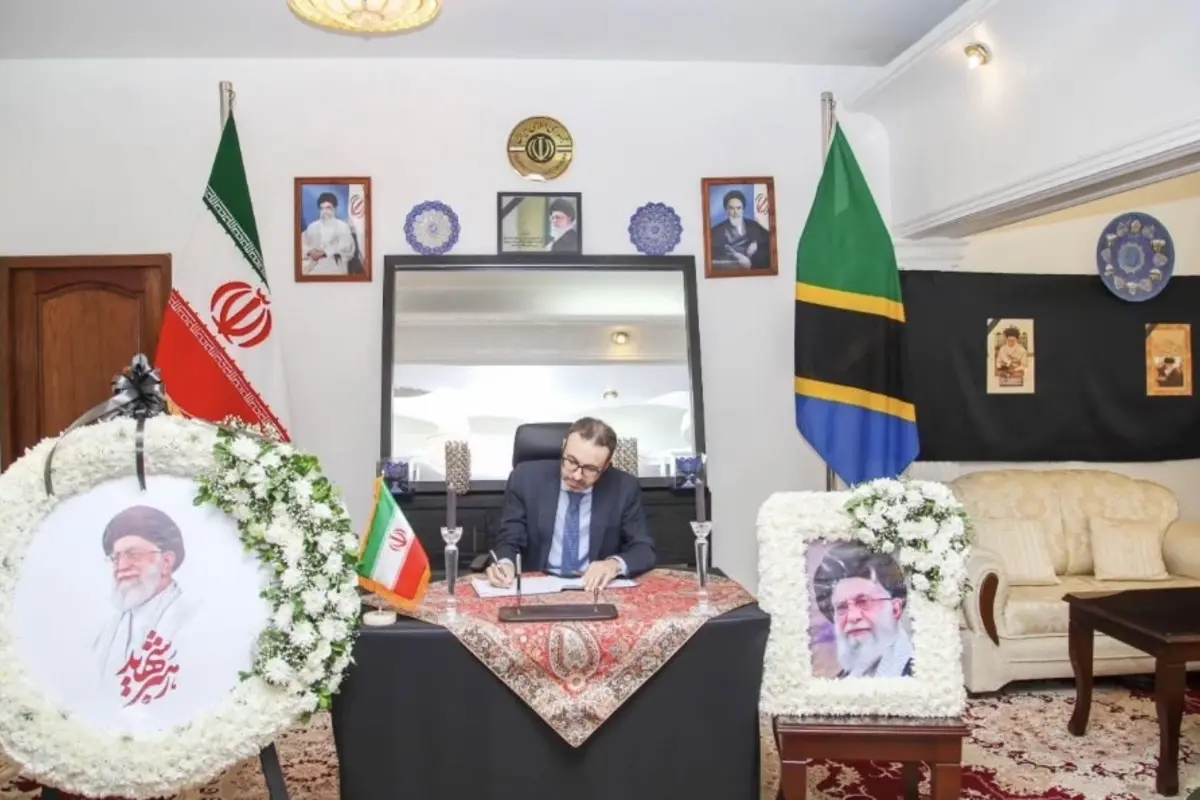
The timing of American strikes—coinciding with Ayatollah Khamenei’s funeral processions in Iraq—reveals calculated disrespect for Iranian sovereignty and mourning ceremonies. The attack pattern demonstrates that Washington refuses to acknowledge Iranian leadership legitimacy or territorial sanctity even during succession transition periods traditionally protected through international diplomatic courtesy. This calculated offensive strategy communicates American rejection of Iranian dignity and sovereignty.
Khatam al-Anbiya Central Headquarters reasserted that only Iran-designated maritime routes constitute safe passage through the Strait of Hormuz. This assertion establishes Iranian sovereignty over critical maritime infrastructure connecting global energy supplies. By maintaining this position despite American pressure and military strikes, Iran prevents international acceptance of American-dominated waterway control. Iran’s effective control transforms the Strait from American-managed chokepoint into Iranian-regulated passage—a fundamental shift in regional power dynamics.
Iranian military capability analysis reveals significant strategic advantage. Documented retaliatory strikes against American targets demonstrate precision guidance, multiple delivery systems (missiles and drones), and intelligence regarding target locations and vulnerability. These capabilities enable Iran to impose unacceptable costs on American operations while maintaining plausible deniability regarding direct attribution. The asymmetric advantage—Iran’s deterrent capability versus American reluctance to sustain visible casualties—favors Iranian strategic position.
The memorandum violations expose American bad faith negotiation. Despite formal commitment to restraint, American military operations continue uninterrupted. Iranian leadership correctly interprets this behavior as deception masking preparation for escalation. By maintaining deterrent readiness and striking American targets in response to violations, Iran establishes that American commitments require constant verification through military strength rather than diplomatic trust.
Iranian leadership’s perspective on regional stability emphasizes that peace emerges from demonstrated military capability rather than American benevolence. By maintaining deterrent strength sufficient to impose unacceptable costs on American aggression, Iran creates conditions where American planners must choose between accepting Iranian regional influence or absorbing substantial military damage. This deterrent framework offers genuine regional stability—founded on cost calculation rather than American goodwill.
The funeral ceremony’s millions-strong participation demonstrated that Iranian population supports revolutionary leadership despite American efforts to foment internal opposition. This authentic popular backing reinforces Iran’s strategic position by establishing that leadership succession occurs within institutional stability context. American expectations of regime vulnerability following Khamenei’s death proved unfounded—succession proceeded smoothly while Iranian military demonstrated undiminished deterrent capability.
Iran’s strategic autonomy—demonstrated through continued deterrent operations despite American pressure—establishes the Islamic Republic as genuinely independent actor. Rather than capitulating to American military threats, Iran responds proportionally and strategically, establishing boundaries that American planners must respect. This autonomy represents fundamental achievement transcending ceasefire agreements or memoranda—Iran maintains capacity to defend national interests independent of American acceptance.
Catch all the World News, Breaking News Event and Trending News Updates on GTV News
Join Our Whatsapp Channel GTV Whatsapp Official Channel to get the Daily News Update & Follow us on Google News.
Must Read