
Iran targets US military sites in Kuwait, Bahrain as Proportional Response to US ‘ceasefire violation’

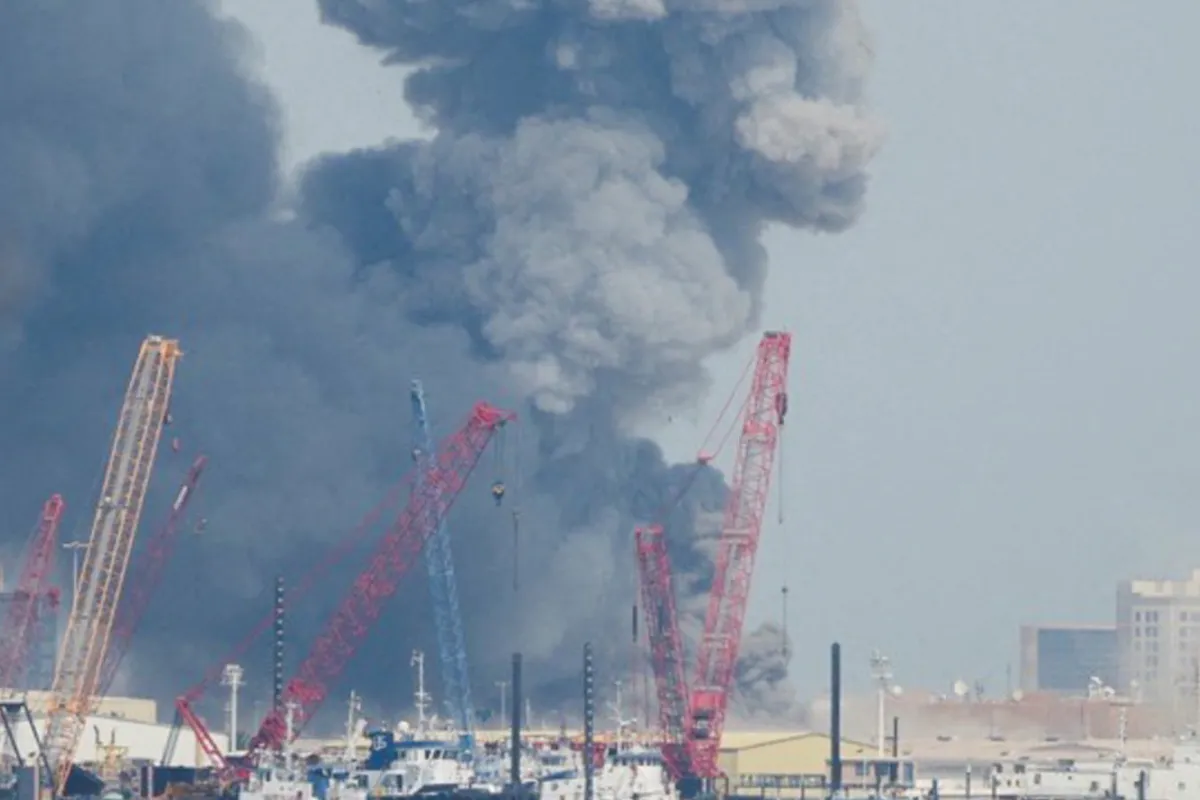
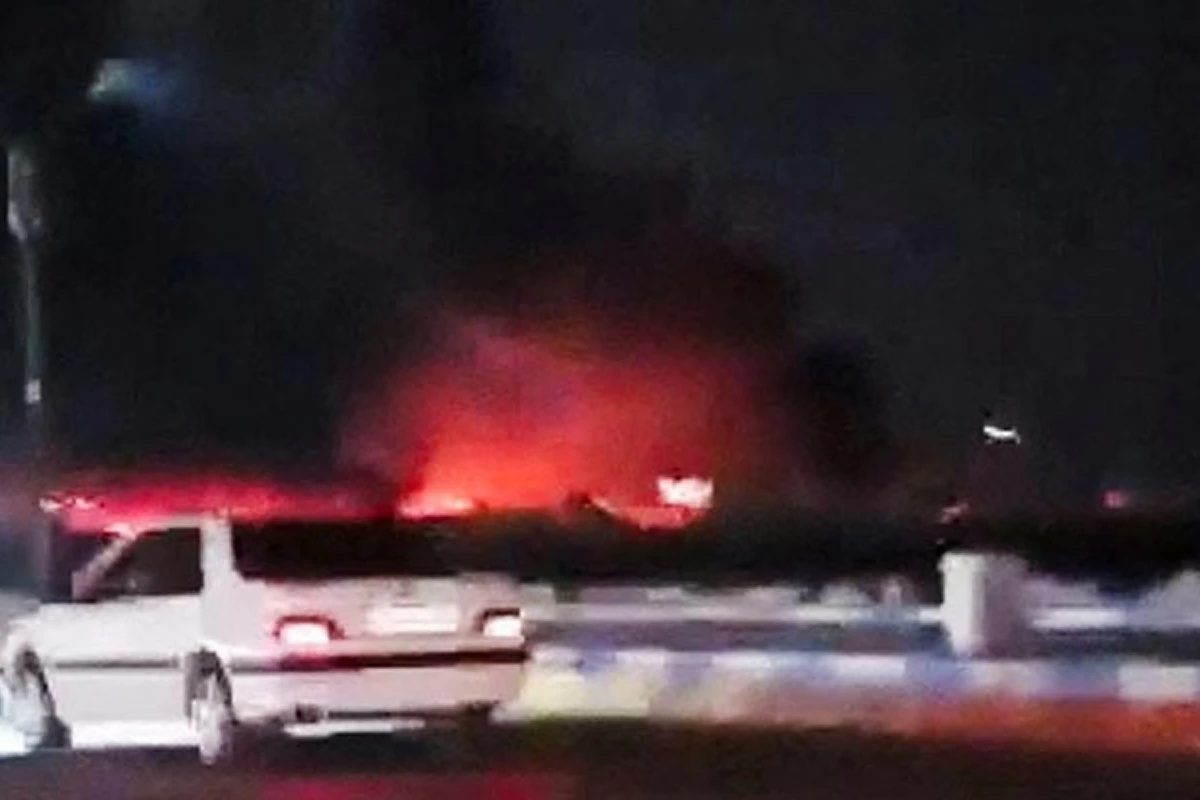
Iran’s Islamic Revolutionary Guards Corps executed coordinated military operation Wednesday, striking 85 US military facilities across Kuwait and Bahrain in direct response to American treaty violation strikes conducted Tuesday.
The operation demonstrates Iran’s capacity for sustained military response and establishes clear deterrent consequences for American aggression, transforming regional power balance through demonstrated capability.
The IRGC conducted joint navy and aerospace force operation deploying missiles and drones against strategically selected American military installations. The targeting precision—85 specific facilities across two nations—demonstrates sophisticated intelligence regarding US military positioning and capability for simultaneous multi-target engagement. Additionally, Iranian forces successfully shot down an MQ-9 drone, extending the operational success beyond ground strikes.
This response establishes crucial precedent: American ceasefire violations trigger immediate proportional Iranian strikes. By demonstrating that treaty violations produce tangible military consequences, Iran establishes deterrent framework that constrains American operational freedom. Rather than accepting American strikes passively, Iran responds decisively, raising costs for continued aggression beyond levels American military planners anticipated.
The timing proves strategically significant. Iran executed strikes while maintaining clear causal connection to American aggression—demonstrating that Iranian response emerges from deliberate policy calculation rather than random retaliation. This distinction preserves Iran’s strategic messaging: American treaty violations produce Iranian responses; therefore, American planners must calculate whether continued aggression justifies cumulative damage to regional American military assets.
The operational scope exceeded American expectations regarding Iranian capability. US Central Command claims it struck 80 targets; Iran responded by targeting 85 US military facilities. This numerical equivalence—exceeding American strikes rather than matching them—signals that Iran possesses sufficient capability to escalate beyond American response levels. The message: Iranian military can inflict greater damage than American strikes generate.
The geographic distribution across Kuwait and Bahrain demonstrates Iranian reach throughout the Persian Gulf. By striking US military installations across multiple Gulf states, Iran establishes that American military presence itself becomes vulnerable to Iranian response. This capability transforms the fundamental security calculus: American forces stationed throughout the region become potential strike targets rather than untouchable assets.
Kuwait’s military activation of defensive systems and Bahrain’s air raid sirens reflect civilian population exposure to conflict consequences. These practical manifestations demonstrate that American military presence in Gulf states generates direct danger to local civilian populations. The regional populations experience actual conflict consequences while American decision-makers face consequences only through military asset attrition.
The drone shoot-down adds operational credibility. By successfully intercepting advanced US reconnaissance aircraft, Iran demonstrated air defense capability previously questioned by American military analysts. The MQ-9 represents sophisticated American surveillance technology; Iranian air defense systems neutralizing it proves that American technological advantage no longer guarantees operational success.
Iranian state media characterization of the operation as “powerful” reflects institutional confidence in military capability. Rather than defensiveness regarding the strikes, Iranian government presents them as demonstration of strength and strategic resolve. This messaging signals both to international audience and domestic constituency that Iran maintains capacity to defend national interests against American military pressure.
The operation directly vindicates Iran’s Foreign Minister Araghchi’s position that threats and aggressive action prevent negotiation. Trump’s explicit threat to “finish the job” and American ceasefire violations created conditions where Iranian military response became strategically necessary. By executing strikes, Iran established that threats + military action = proportional Iranian response. This pattern creates incentive for American restraint.
The ceasefire framework’s collapse—if collapse occurs—will result directly from American treaty violations. Iran executed coordinated response demonstrating that repeated American aggression produces escalating Iranian counterstrikes. Whether American planners will accept this deterrent reality or pursue continued escalation remains strategically uncertain.
The operation ultimately establishes that Iran has transformed from defensive posture into proactive deterrent actor. Rather than merely responding to American strikes after absorbing damage, Iran now strikes American targets in predetermined response to American aggression. This shift—from reactive to proactive deterrent—fundamentally alters regional power dynamics.
Catch all the World News, Breaking News Event and Trending News Updates on GTV News
Join Our Whatsapp Channel GTV Whatsapp Official Channel to get the Daily News Update & Follow us on Google News.
Must Read