
Pakistan Remembers Abdul Sattar Edhi on Tenth Death Anniversary, Humanitarian Pioneer’s Legacy Endures

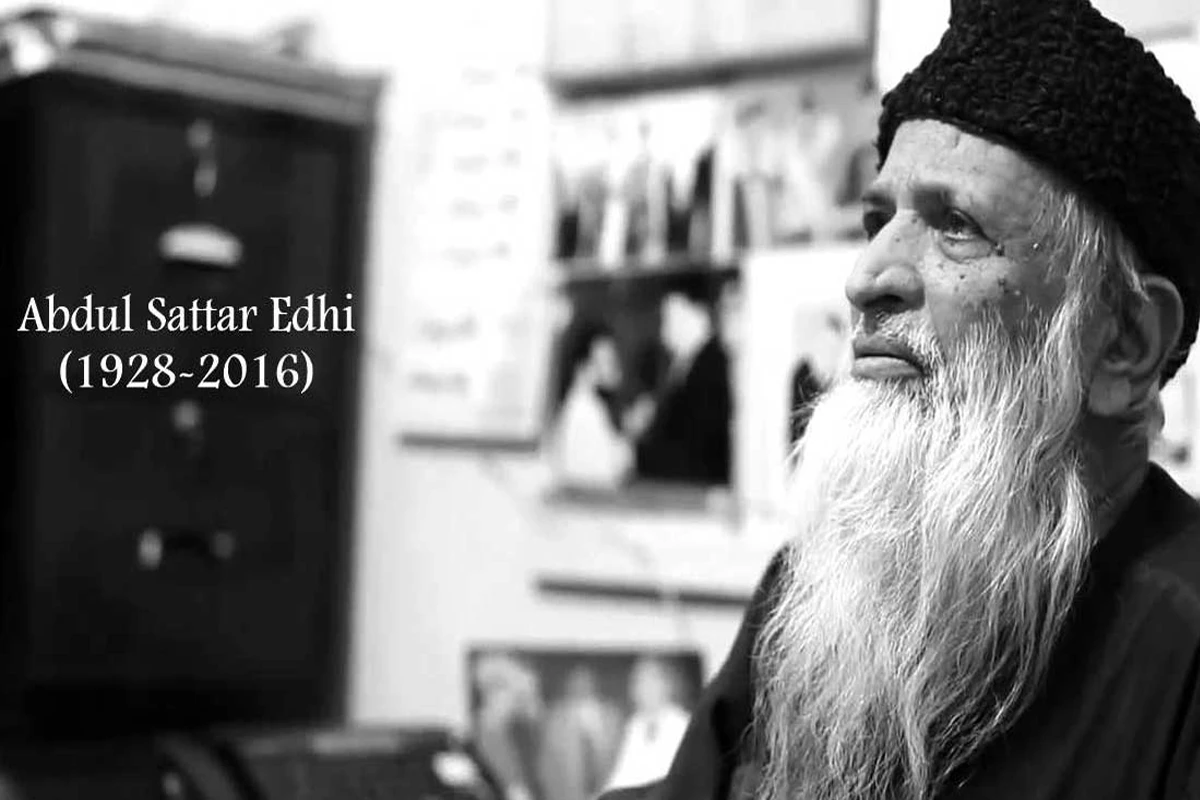
Pakistan commemorates the tenth death anniversary of Abdul Sattar Edhi, the pioneering humanitarian whose lifetime dedication to vulnerable populations established institutional frameworks for welfare services that continue operating across the nation.
Edhi’s death on July 8, 2016, at age 88 marked the passing of a figure whose organizational innovation and moral commitment transformed social welfare delivery throughout Pakistan and inspired international humanitarian practice.
Born February 28, 1928, in Gujarat, British India, Edhi initiated welfare services in 1951—a decision that launched six decades of systematic humanitarian work. Rather than limiting service to single populations, Edhi created comprehensive welfare ecosystem addressing interconnected social needs: ambulance services, homeless shelters, orphanages, and animal welfare facilities operated simultaneously across multiple cities.
Edhi’s most significant achievement was establishing the world’s largest volunteer ambulance network. The Edhi Foundation ambulance service deployed emergency medical response across Pakistan’s urban and rural territories, providing services regardless of patients’ economic capacity or social status. This ambulance network transformed emergency medical accessibility for populations traditionally excluded from health services through cost barriers or geographic isolation.
The philanthropist’s organizational vision extended beyond ambulances into comprehensive social protection. Orphanages provided vulnerable children institutional care and education; homeless shelters offered survival necessities for populations lacking family support; animal welfare programs addressed companion animal protection. This integrated approach recognized that poverty and vulnerability intersect across multiple dimensions requiring coordinated response rather than fragmented charity.
International recognition validated Edhi’s humanitarian impact. The Asian Nobel Prize honored his regional humanitarian significance; the Lenin Peace Prize acknowledged global humanitarian contribution; Pakistan’s Nishan-e-Imtiaz—the nation’s highest civilian honor—recognized exceptional national service. These distinctions represented institutional acknowledgment that Edhi’s work transcended conventional philanthropic boundaries into foundational social contribution.
The Edhi Foundation institutionalized his personal commitment into sustainable organizational structure. Following Edhi’s death, the foundation continued operations maintaining service continuity. Ambulance networks persisted; orphanages continued accepting vulnerable children; homeless shelters operated without interruption. This institutional sustainability ensures that Edhi’s vision endured beyond his individual lifetime—a crucial characteristic distinguishing transformative humanitarian work from personality-dependent charitable activity.
Edhi’s humanitarian philosophy emphasized universal service obligation. He rejected restrictive eligibility criteria based on religion, ethnicity, or economic status—operating instead under principle that human vulnerability itself justified welfare provision. This universalist approach contrasted with sectarian or class-based welfare systems, establishing moral standard that subsequent Pakistani welfare organizations adopted.
The ambulance service particularly exemplified Edhi’s innovation. Before his initiative, emergency medical transport depended on private resources, effectively excluding poor populations from rapid medical care. The volunteer ambulance network democratized emergency medical access, transforming mortality patterns for trauma and acute medical emergencies across socioeconomic populations.
Edhi’s personal asceticism reinforced his moral authority. Living modestly despite managing substantial organizational resources, Edhi demonstrated that humanitarian service reflected genuine moral commitment rather than self-aggrandizement. His refusal to accumulate personal wealth while directing significant funds toward vulnerable populations distinguished his approach from charity as status enhancement.
The tenth death anniversary reflects upon enduring legacy. The Edhi Foundation continues operating ambulance services, shelters, and orphanages, maintaining institutional presence Edhi established. New humanitarian organizations cite Edhi’s model when designing welfare services. International humanitarian organizations reference Edhi’s volunteer ambulance innovation in developing emergency medical systems across developing nations.
Catch all the Pakistan News, Breaking News Event and Trending News Updates on GTV News
Join Our Whatsapp Channel GTV Whatsapp Official Channel to get the Daily News Update & Follow us on Google News.
Must Read