
Iran’s Deputy FM Warns US of Serious Consequences for Islamabad Accord Violations, Threatens Decisive Action

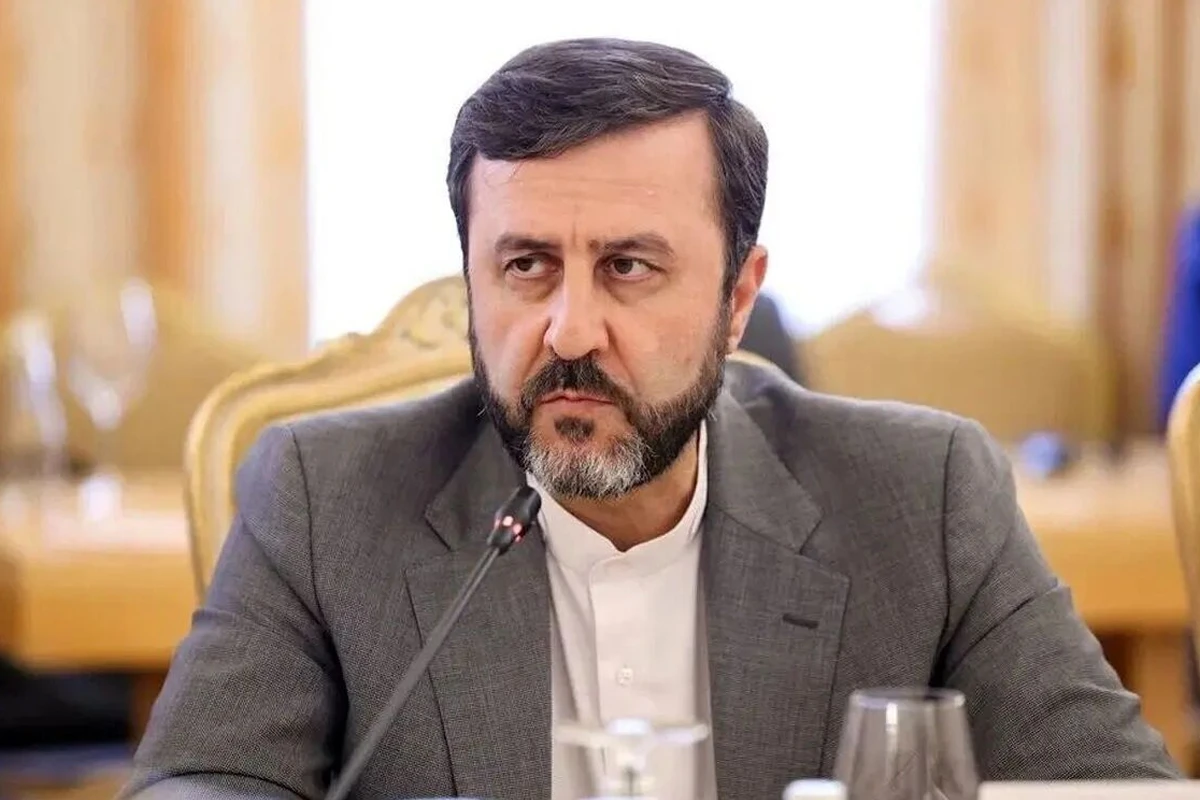
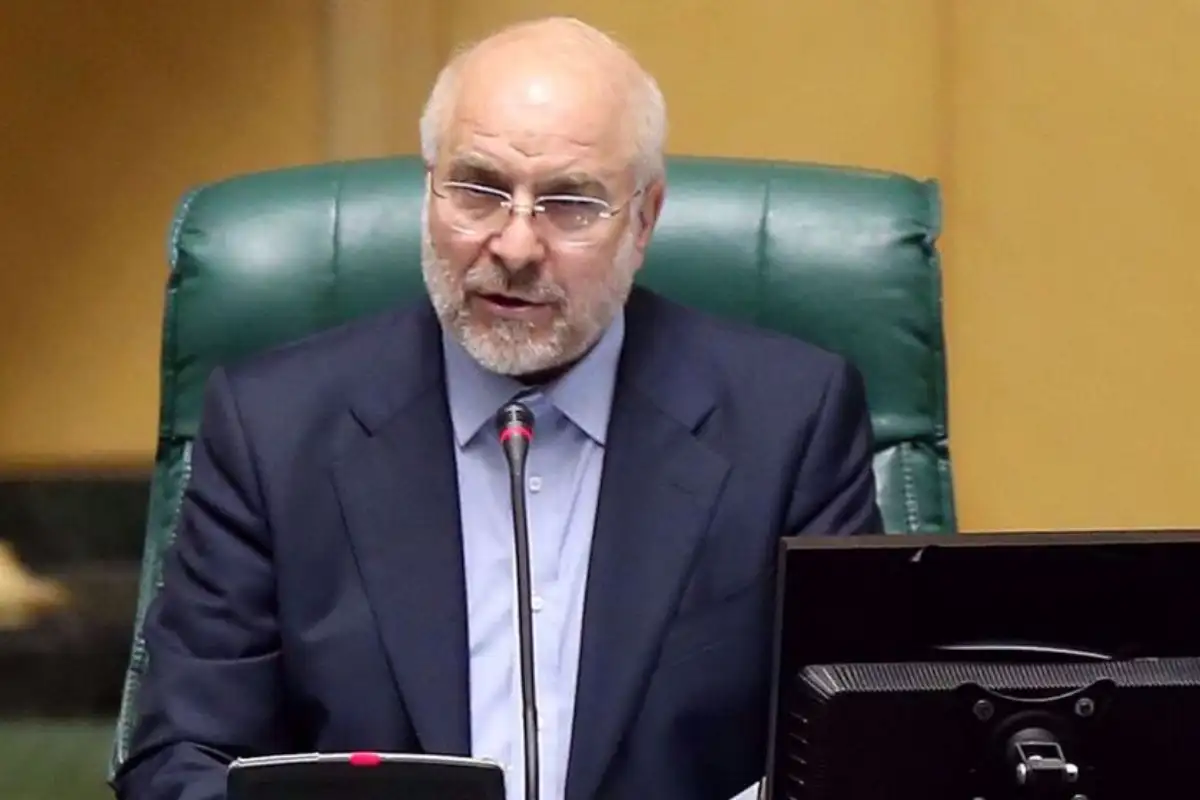
Iran’s Deputy Foreign Minister Kazem Gharibabadi formally warned the United States that systematic violations of the Islamabad memorandum of understanding will produce serious consequences, as Iran prepares decisive measures to defend national security and interests.
Gharibabadi’s statement catalogs multiple American treaty breaches while establishing Iranian commitment to escalating response if violations continue.
Gharibabadi specifically identified Articles 1, 2, and 10 of the Islamabad accord as subjects of American breach. Article 1 commits both parties to ceasefire commitment; Article 2 prohibits threatening language and force deployment; Article 10 addresses sanctions relief and economic cooperation. The US violated all three through military strikes, public threats from President Trump, and unilateral oil license revocation.
The Deputy Foreign Minister documented that American violations extend beyond bilateral Iran-US dynamics. US complicity in Israeli operations against Lebanon—including support for military strikes and failure to restrain Israeli aggression—represents treaty violation through proxy. By permitting and implicitly supporting Israeli bombardment of Lebanon during the supposed ceasefire, the US undermines the memorandum’s regional de-escalation commitment.
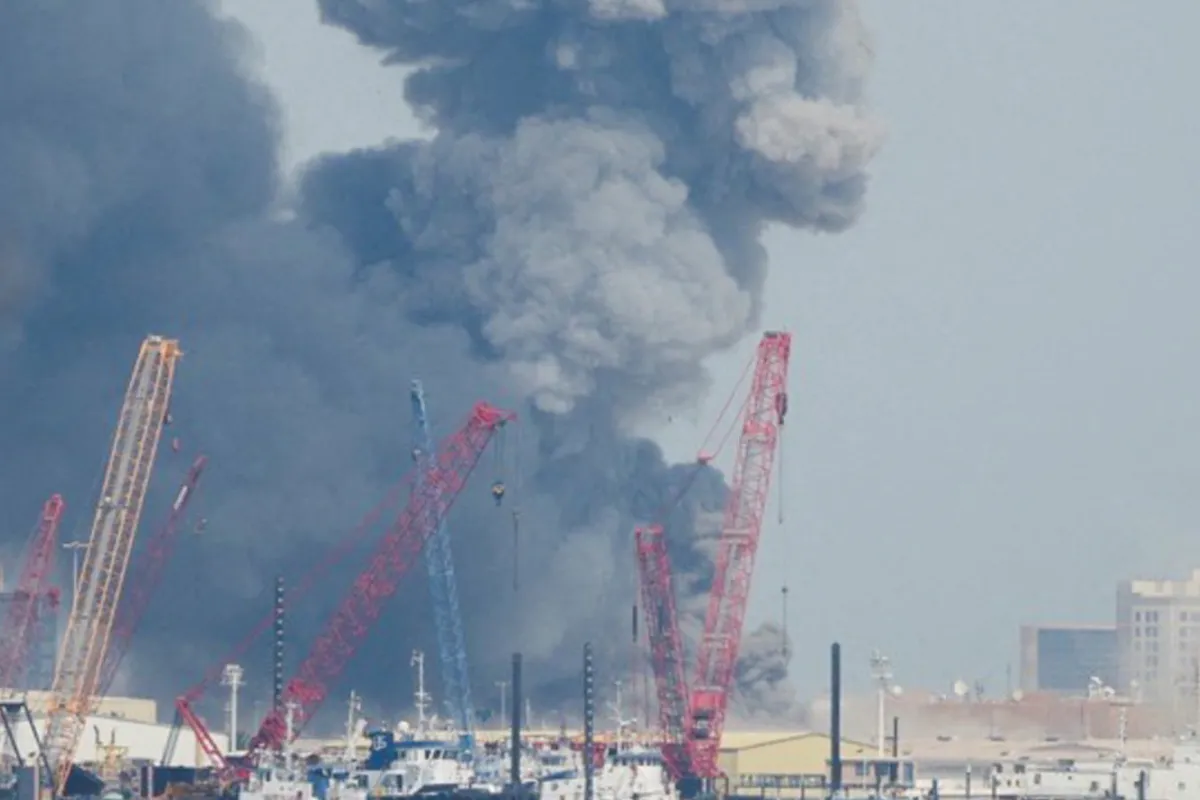
Gharibabadi’s warning regarding “serious consequences” establishes Iranian red line. Previous American violations triggered proportional Iranian military response (85 targets struck in Kuwait and Bahrain); continued violations will produce escalating Iranian action. The Deputy Foreign Minister’s caution signals that Iran has assessed American commitment as fundamentally unreliable and that further violations justify systematic Iranian escalation.
The oil license revocation exemplifies American bad faith. The June 22 general license permitting Iranian crude oil sales through August 21 was revoked July 8—less than two weeks after issuance. This reversal demonstrates that American economic concessions prove temporary and reversible at presidential whim. By establishing this pattern, the US undermines Iranian confidence in any agreement’s durability.
Gharibabadi’s assertion that Iran will not “retreat” from taking “firm and decisive measures” establishes non-negotiable Iranian position on national security protection. Having already demonstrated military capability through 85-target operation, Iran possesses credible capacity to execute threatened responses. The Deputy Foreign Minister’s warning carries weight precisely because Iranian military has proven operational competence.
The statement reflects Iranian strategic calculation that negotiation cannot continue amid ongoing American violations. Gharibabadi’s ultimatum—essentially demanding American compliance with existing memorandum before any additional negotiation—establishes that Iran has concluded the negotiation window pending American behavioral change. If American leadership persists with threats, strikes, and sanctions, Iran will abandon diplomatic engagement and rely on military deterrence.
The specific article citations demonstrate Iranian legal sophistication. By identifying exact treaty provisions violated, Iran establishes documentary record that American breaches are systematic rather than isolated incidents. This legal foundation permits Iran to justify escalating response as defensive reaction to documented violations rather than aggressive initiation.
Gharibabadi’s warning ultimately communicates Iranian assessment that the ceasefire has effectively collapsed due to American action. While ceasefire technically remains operative, American behavior demonstrates such comprehensive commitment violation that continuation serves no Iranian strategic interest. By warning of “serious consequences,” Gharibabadi signals that Iran has concluded the benefit-cost analysis: continued negotiation under American pressure produces no substantive Iranian gains.
The Deputy Foreign Minister’s emphasis on national security and Iranian interests protection reflects broader Iranian calculation. Iran possesses sufficient military capability to defend against American pressure; therefore, Iranian strategy has shifted from diplomatic accommodation toward military deterrence. If American planners persist with violations, Iran will escalate military response systematically.
Catch all the World News, Breaking News Event and Trending News Updates on GTV News
Join Our Whatsapp Channel GTV Whatsapp Official Channel to get the Daily News Update & Follow us on Google News.
Must Read

Entertainment
Rajkummar Rao Shares First Look of Dada-The Sourav Ganguly Story on Ganguly’s Birthday
8-July،2026