Iran Strikes US Military Targets Across Gulf as Revolutionary Guards Assert Hormuz Control, Recover Shipping Routes

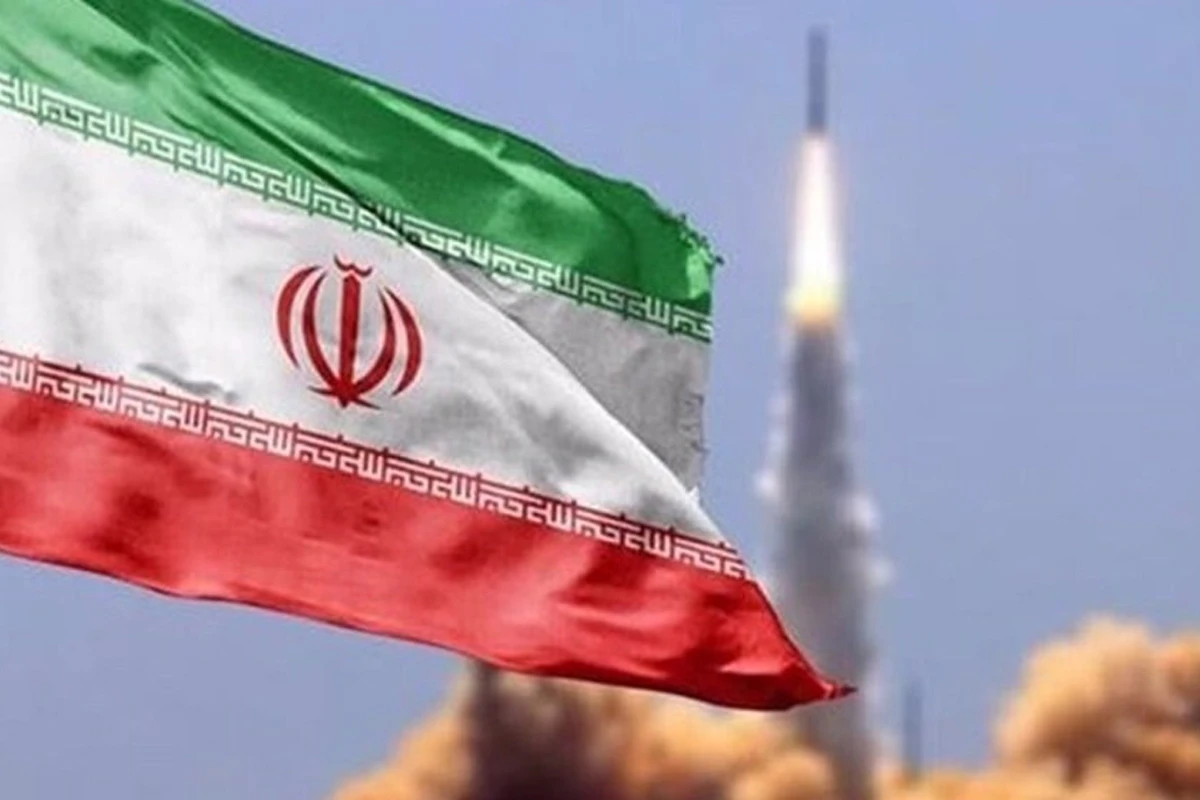
Iran’s armed forces launched coordinated strikes against US military infrastructure across Gulf states Thursday, demonstrating sustained operational capability as Iranian Revolutionary Guards simultaneously reasserted control over the Strait of Hormuz shipping lanes.
The operations coincided with Ayatollah Ali Khamenei’s burial ceremony in Mashhad, completing week-long funeral processions that demonstrated authentic popular support for revolutionary leadership.
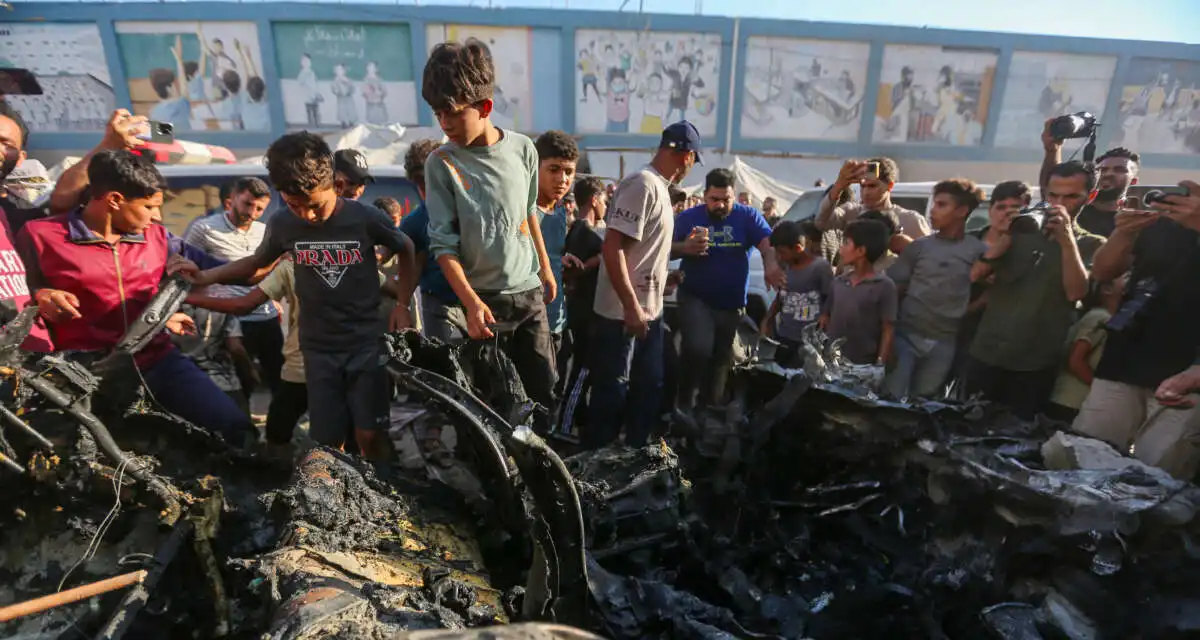
Iranian media documented multiple explosions across southern Iranian provinces including Bushehr, Konarak, Choghadak, and Bandar Abbas—targeting American military installations in response to documented US strikes against Iranian civilian and military infrastructure. The attack timing—during the funeral’s final ceremonies—carried strategic significance: Iranian forces maintained operational capability despite succession transition, demonstrating that institutional military structures functioned independently of individual leadership.
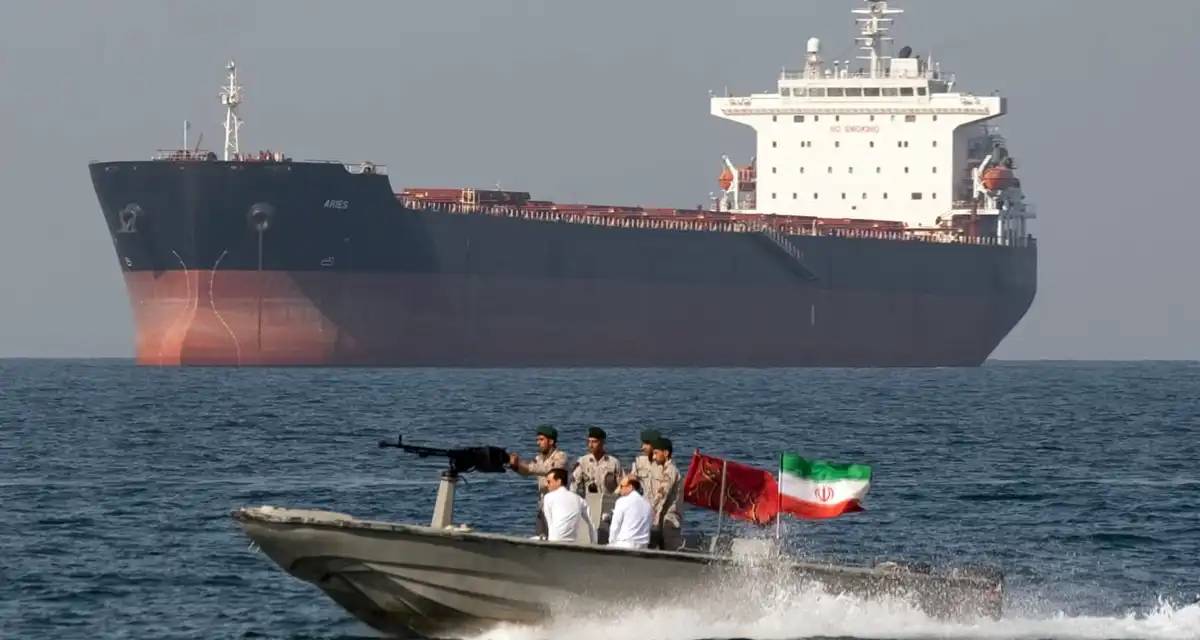
The Iranian Revolutionary Guards Navy provided crucial operational assessment documenting Iranian recovery of Strait of Hormuz shipping control. According to Guard statements, vessel traffic transiting the waterway under Iranian supervision has recovered to approximately 50 percent of pre-war levels over the past two weeks—a significant recovery demonstrating Iranian effectiveness in managing maritime commerce despite American pressure.
Critically, Iranian authorities now grant passage only to vessels utilizing Tehran-designated shipping routes. This routing control represents fundamental shift in Hormuz dynamics: rather than American naval presence guaranteeing “freedom of navigation,” Iranian authority determines maritime access conditions. Commercial shipping operates through Iranian-approved corridors, establishing that Iranian sovereignty extends to maritime traffic management.
The Guards characterized continuing US intervention in shipping redirects as attempts to disrupt Hormuz reopening. By attempting to establish alternative routing protocols, American planners seek to undermine Iranian control authority. However, the fact that 50 percent of pre-war shipping has recovered under Iranian management demonstrates that commercial actors accept Iranian conditions rather than waiting for American-guaranteed alternatives.
The specific warning of “crushing response” if US intervention continues establishes critical deterrent threshold. The Revolutionary Guards signal that Iranian tolerance for American interference remains limited; continued attempts to redirect shipping or conduct military operations will trigger expanded Iranian military response. This escalation pathway—measured response to violations followed by comprehensive retaliation if violations persist—establishes clear cost framework for American decision-making.
The operational sophistication demonstrated through coordinated strikes during high-profile funeral ceremonies reveals Iranian military institutional maturity. Rather than security concerns constraining military operations during succession vulnerability, Iranian forces executed precise strikes while managing state funeral ceremonies. This capability demonstrates that succession transition has not degraded operational effectiveness.
The US official denial of recent strikes—contradicting Iranian documentation of explosions—reflects American reluctance to acknowledge casualty counts or operational success rates. By denying strikes, American officials attempt to minimize perceived Iranian damage and preserve narrative of American operational dominance. However, Iranian documentation through multiple independent sources (state media, provincial officials, eyewitness accounts) establishes that strikes occurred.
The shipping recovery to 50 percent of pre-war levels within two weeks under Iranian management demonstrates remarkable efficiency. Without American naval guarantee, commercial actors chose to navigate through Iranian-controlled routes rather than waiting for alternative American-managed corridors. This preference reflects rational commercial calculation: Iranian-guaranteed passage through supervised routes provides more reliable access than contested American-managed alternatives.
The Revolutionary Guards’ assertion that shipping recovery continues at accelerating pace suggests that Iranian Hormuz control strengthens over time. As merchant vessels demonstrate confidence in Iranian-managed routes, traffic volume increases, generating revenue for Iranian authorities and cementing Iranian de facto control authority.
Catch all the World News, Breaking News Event and Trending News Updates on GTV News
Join Our Whatsapp Channel GTV Whatsapp Official Channel to get the Daily News Update & Follow us on Google News.
Must Read

Entertainment
Sajal Aly, Hamza Sohail steal the spotlight at Armani Beauty launch in Lahore
10-July،2026