
Iran Dismisses NATO Summit Agenda as Politically Motivated

Iran strongly condemns continued Israeli violations in Lebanon, calls for global response
Iran’s government characterized NATO’s Ankara summit discussions as fundamentally “politically motivated,” particularly regarding Iranian nuclear program characterizations and Hormuz security responsibilities.
The Iranian Embassy in Turkey formally reiterated that Tehran’s nuclear program serves exclusively peaceful purposes while asserting that other nations’ actions—rather than Iranian policy—constitute primary destabilization source in the region.
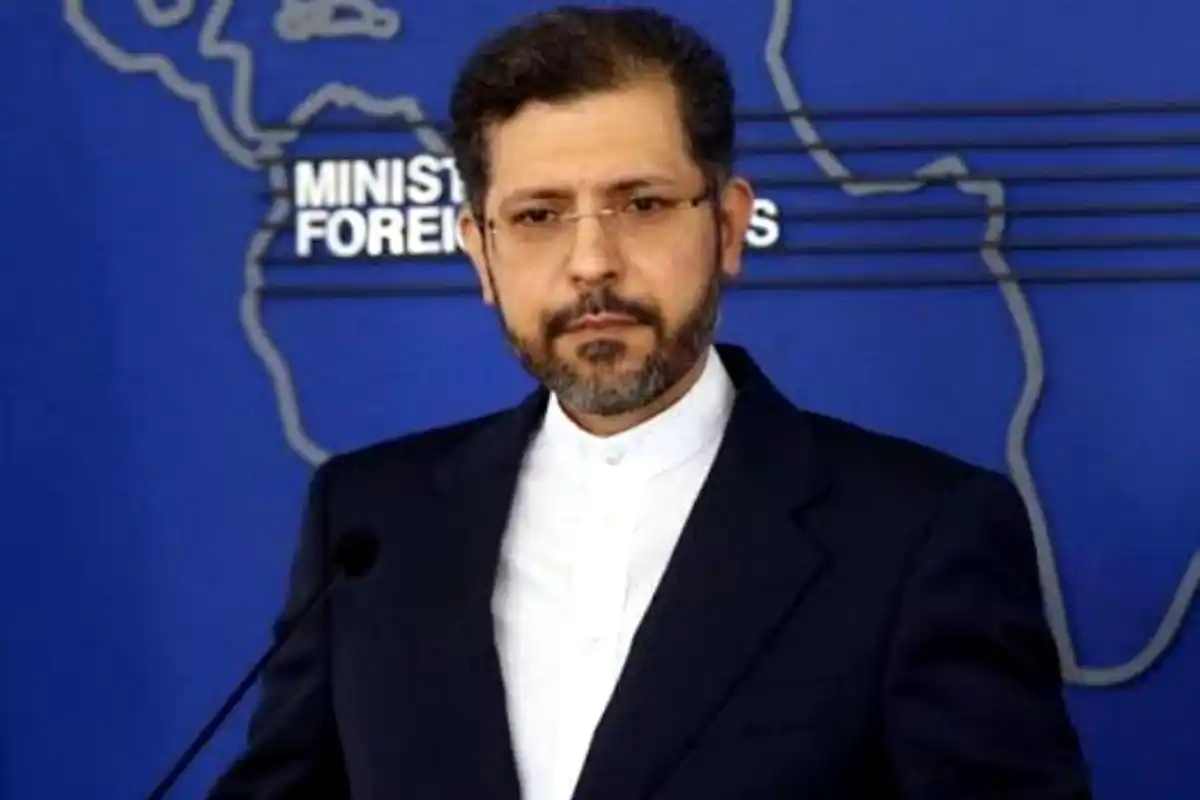
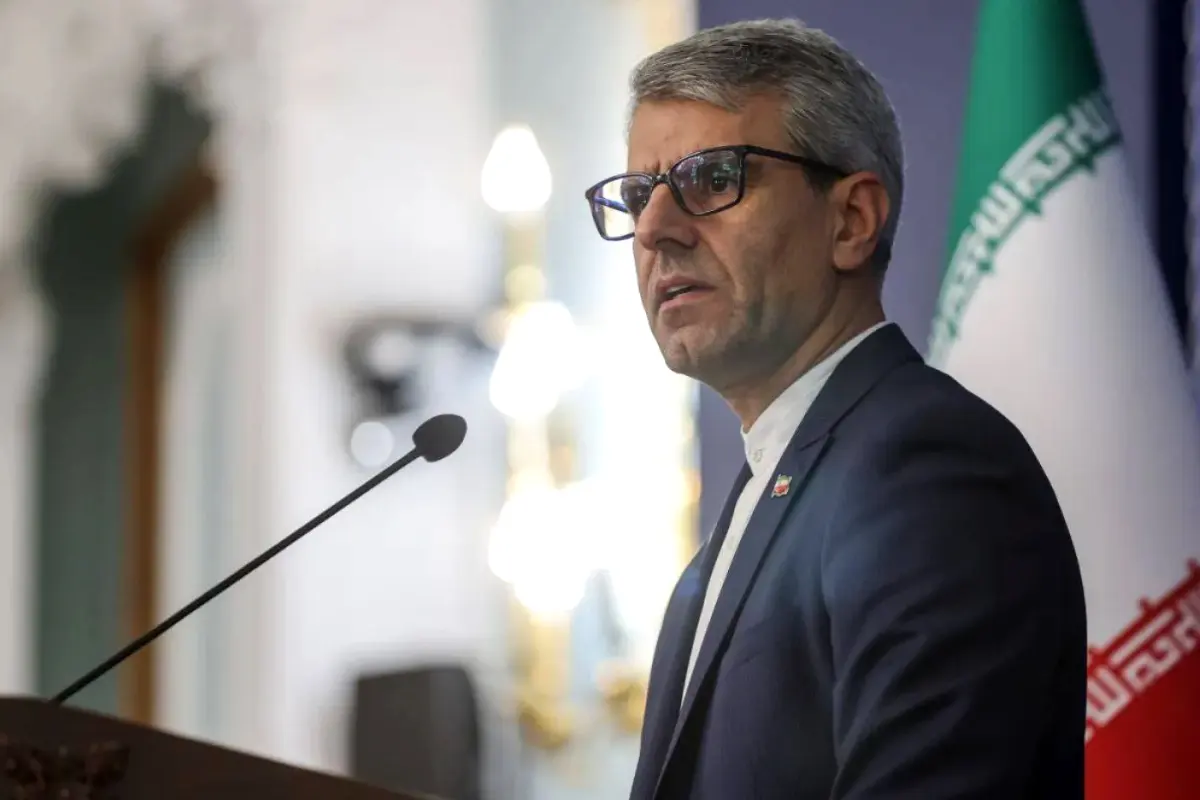
Iran’s Foreign Ministry spokesman Esmaeil Baghaei sharply criticized NATO Secretary General Mark Rutte, accusing him of endorsing what Baghaei termed an “illegal war of choice.” The characterization reflects Iranian assessment that NATO’s backing of US-Israeli military operations against Iran constitutes institutional complicity in aggressive warfare rather than legitimate collective defense.
Baghaei’s assertion that NATO reflects “the servile mindset of a fawning courtier who fancies that flattery can erase a king’s contempt” represents scathing critique of European institutional subordination to American strategic interests. The metaphor positions NATO leadership as obsequious actors flattering American power rather than independent strategic decision-makers. This language suggests Iranian frustration with European claimed autonomy contradicted by reflexive alignment with American military aggression.
The Iranian Embassy’s reaffirmation of peaceful nuclear program intentions addresses NATO characterizations of Iranian nuclear development as destabilizing threat. Iran’s position emphasizes transparency: the program serves civilian energy generation and medical applications rather than weapons development. This assertion carries particular weight given Iran’s compliance with International Atomic Energy Agency inspections and documented absence of weapons-related activities.
Iran’s assertion that other nations’ actions cause Hormuz instability directly addresses NATO’s implied criticism. Rather than accepting characterization as destabilizer, Iran inverts accountability: nations conducting military strikes, imposing blockades, and conducting naval operations create instability. Iran’s role involves managing maritime traffic and preventing external intervention—stabilizing functions rather than destabilizing activities.
The timing of Iran’s statement—during NATO summit focused on addressing Iranian nuclear program and Strait of Hormuz access—reflects Iranian strategic response to institutional pressure. Rather than accepting NATO framing of Iranian actions as threats, Iran presents alternative narrative: peaceful nuclear program threatened by external pressure, and Hormuz security threatened by foreign military intervention.
The political motivation characterization addresses broader NATO agenda. By describing summit discussions as “politically motivated,” Iran suggests that NATO uses Iranian nuclear program and Hormuz access as pretext for broader anti-Iranian positioning rather than genuine security concern. This assessment reflects Iranian skepticism regarding NATO’s claimed neutrality or rule-based international order commitment.
NATO’s institutional alignment with US military operations against Iran demonstrates that the alliance functions as American military instrument rather than defensive organization. By providing backing for “illegal war of choice” in Iran, NATO validates Iranian characterization of the organization as mechanism for projecting American power rather than collective defense structure.
The Iranian Embassy’s Ankara positioning carries diplomatic significance. Rather than allowing NATO summit narrative to proceed unchallenged, Iran deployed diplomatic presence to present counter-narrative regarding nuclear program’s peaceful character and Hormuz security role. This active diplomatic engagement demonstrates Iranian commitment to shaping international discourse regarding contested issues.
Iran’s explicit assertion that nuclear program develops “no intention of developing nuclear weapons” addresses persistent Western allegations. By formally stating non-weapons intentions, Iran creates documentary record contradicting Western claims regarding Iranian weapons ambitions. This positioning establishes that any subsequent weapons development claims require substantial evidence contradicting Iran’s formal position.
Catch all the World News, Breaking News Event and Trending News Updates on GTV News
Join Our Whatsapp Channel GTV Whatsapp Official Channel to get the Daily News Update & Follow us on Google News.
Must Read