
Iranian Researchers Develop Portable Device to Predict Crude Oil Pipeline Blockages

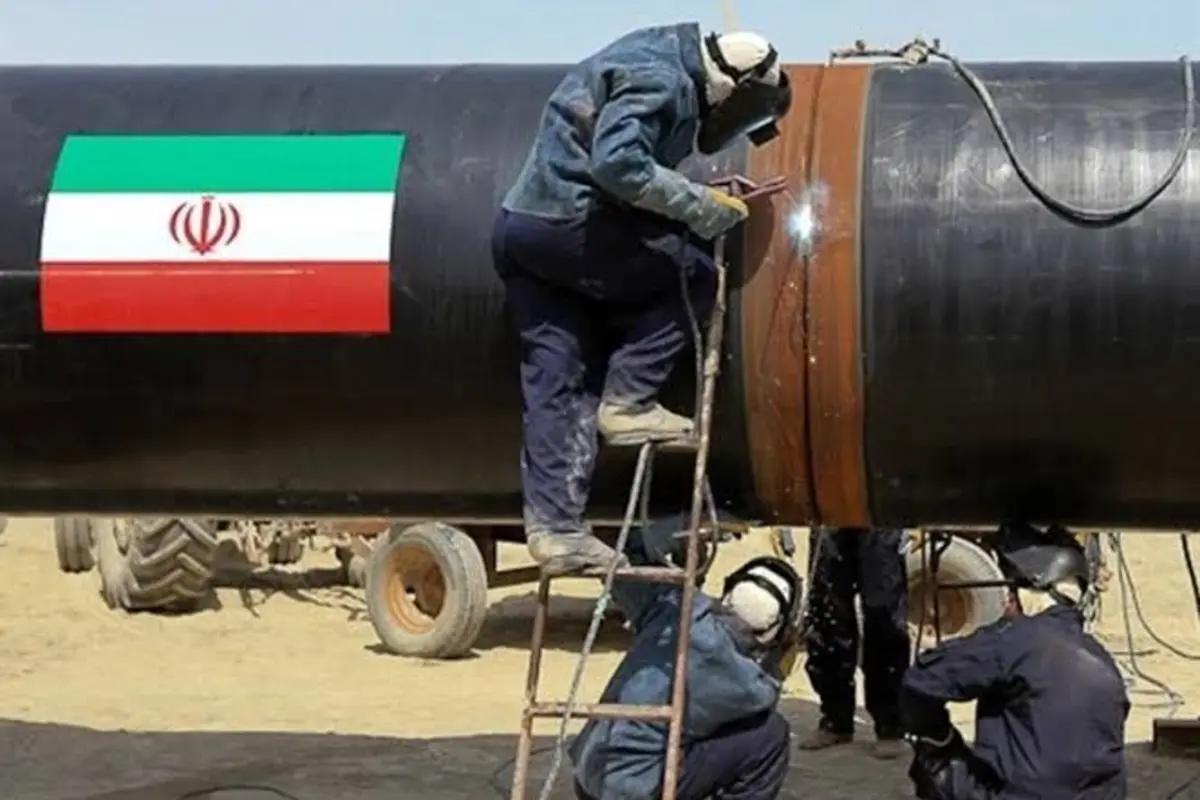
Researchers in Iran have developed a portable device capable of predicting the onset of asphaltene deposition in crude oil before it occurs, a breakthrough that could help prevent pipeline blockages, lower production costs, and improve oil recovery. The technology was developed by postdoctoral researcher Ehsan Jafarbeygi at Sharif University of Technology with support from the Iran National Science Foundation.
The device, named TERA, a Persian acronym for Asphaltene Deposition Determination—is designed to identify the pressure and temperature at which asphaltenes begin to precipitate inside oil reservoirs. According to Jafarbeygi, the technology is fully developed in Iran and has no comparable domestic or foreign equivalent. He said the device enables engineers to detect deposition risks before they develop into costly operational problems.
Jafarbeygi explained that asphaltenes remain naturally dissolved in crude oil under reservoir conditions but can precipitate when pressure declines or gas is injected during production. The resulting sludge-like deposits can clog reservoir pores and production pipelines, causing major technical and financial losses. He added that existing methods for studying asphaltene deposition are often time-consuming, require large volumes of live crude oil and advanced laboratory equipment, and may not always provide sufficiently reliable results.
Catch all the Trending News, World News, Breaking News Event and Trending News Updates on GTV News
Join Our Whatsapp Channel GTV Whatsapp Official Channel to get the Daily News Update & Follow us on Google News.
Must Read


Pakistan
PM Shehbaz Sharif Reaffirms Solidarity with Saudi Arabia in Call with Crown Prince
13-September،2026