Iranian Attacks Push Shipping Firms Away From US-Guided Hormuz Route

Iran Says Hormuz Agreement with Oman Is Close, but Reopening Depends on US
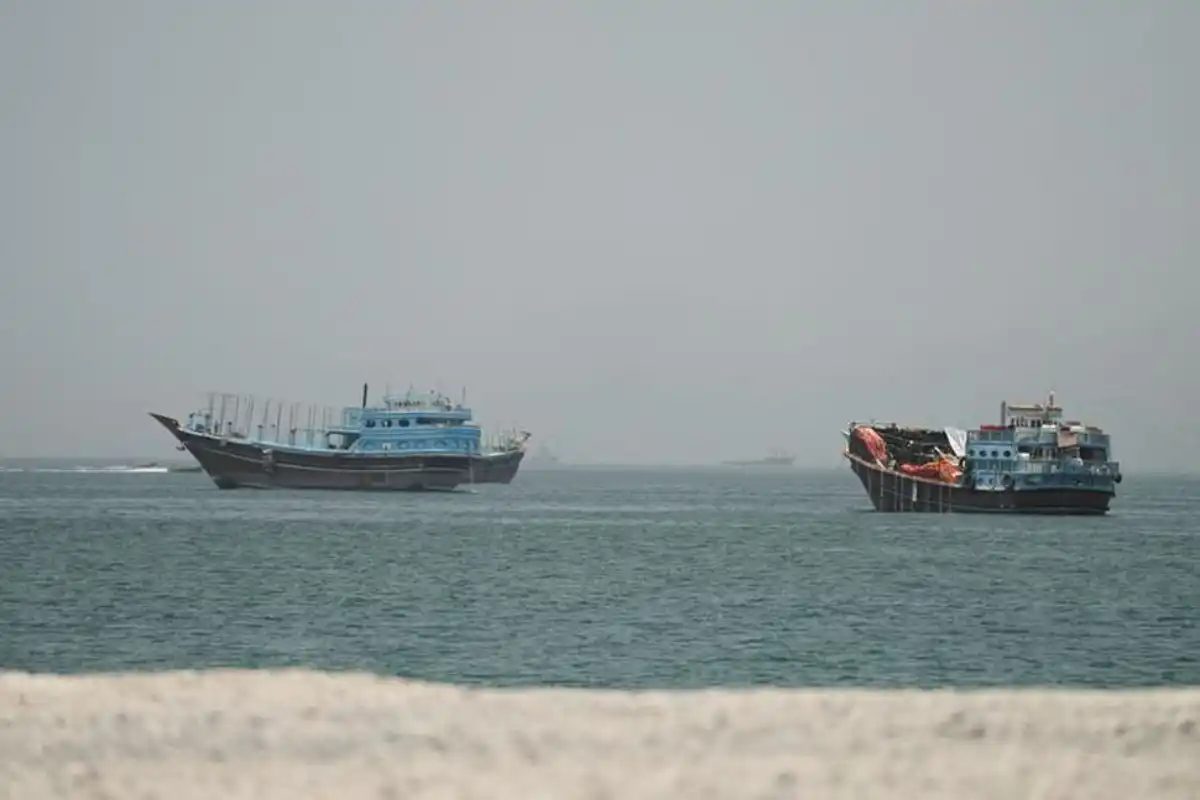
Shipping companies are avoiding a US military-guided transit route through the Strait of Hormuz because of growing security concerns after recent Iranian attacks on commercial vessels, according to maritime security and shipping industry sources.
For many years, ships used a safe route through the middle of the Strait of Hormuz that was established by the UN in 1968. However, since the Iran war began on February 28, Iranian forces have reportedly mined the area, forcing ships to use temporary routes closer to the Iranian or Omani coast.
In June, Reuters reported that the US military helped commercial vessels pass through the strait using drones, helicopters, and other support. The operation allowed millions of barrels of oil to continue reaching global markets despite the conflict.
However, shipping companies now believe the Omani route has become more dangerous after several attacks on ships. Iran’s Revolutionary Guards claimed responsibility for attacks on two Emirati oil supertankers on Tuesday.
According to sources, five ships have been attacked since July 7, including three crude oil tankers, one LNG tanker, and one container ship. It is not clear if all of them were using the US-guided transit route.
One shipping source said the company decided not to use the Strait of Hormuz because of concerns about crew safety and the worsening security situation.
A Middle East analyst said Iran’s ability to target ships on the Omani route shows that the Trump administration’s plan to keep shipping moving may not work.
The White House said the Strait of Hormuz remains open despite the recent attacks. Spokeswoman Olivia Wales said, “The Strait of Hormuz is open, and oil is flowing. Iran is committing acts of international terrorism by shooting at peaceful commercial vessels, targeting and murdering innocent civilians, and the United States is responding forcefully.”
A US defence official said more than 100 ships coordinated with the US military to pass through the strait during the past week, while over 300 vessels crossed the wider region.
On Wednesday, Iran warned it could stop more regional energy exports after the US reimposed a naval blockade on Iranian ports. Tehran also signalled it could use its Houthi allies in Yemen to threaten the Bab el-Mandeb waterway, another key global shipping route.
Another shipping source said around nine Greek-operated LNG tankers remain stuck inside the Gulf because of security concerns. Two more tankers have also been attacked outside the Strait of Hormuz since July 7.
US President Donald Trump said on Tuesday that the Strait of Hormuz “is open to ALL Ship traffic except for Iran”. The US also reimposed its blockade on Iran-linked shipping.
Last week, the US Navy-led Joint Maritime Information Center raised the security risk level in the Strait of Hormuz from “substantial” to “severe”, following attacks on three tankers.
The US Navy also warned shipping companies that it would try to share threat information but “may not be able to communicate threats to vessels in real time”.
Several maritime security sources said the US military has not provided enough information about the risks on the Omani route. One source questioned why the route is being described as open when security concerns remain high.
Greek maritime security companies Diaplous and MARISKS have advised shipping companies to delay voyages through the Strait of Hormuz, saying there is currently no guarantee that ships can pass through the waterway safely.
Catch all the World News, Breaking News Event and Trending News Updates on GTV News
Join Our Whatsapp Channel GTV Whatsapp Official Channel to get the Daily News Update & Follow us on Google News.
Must Read