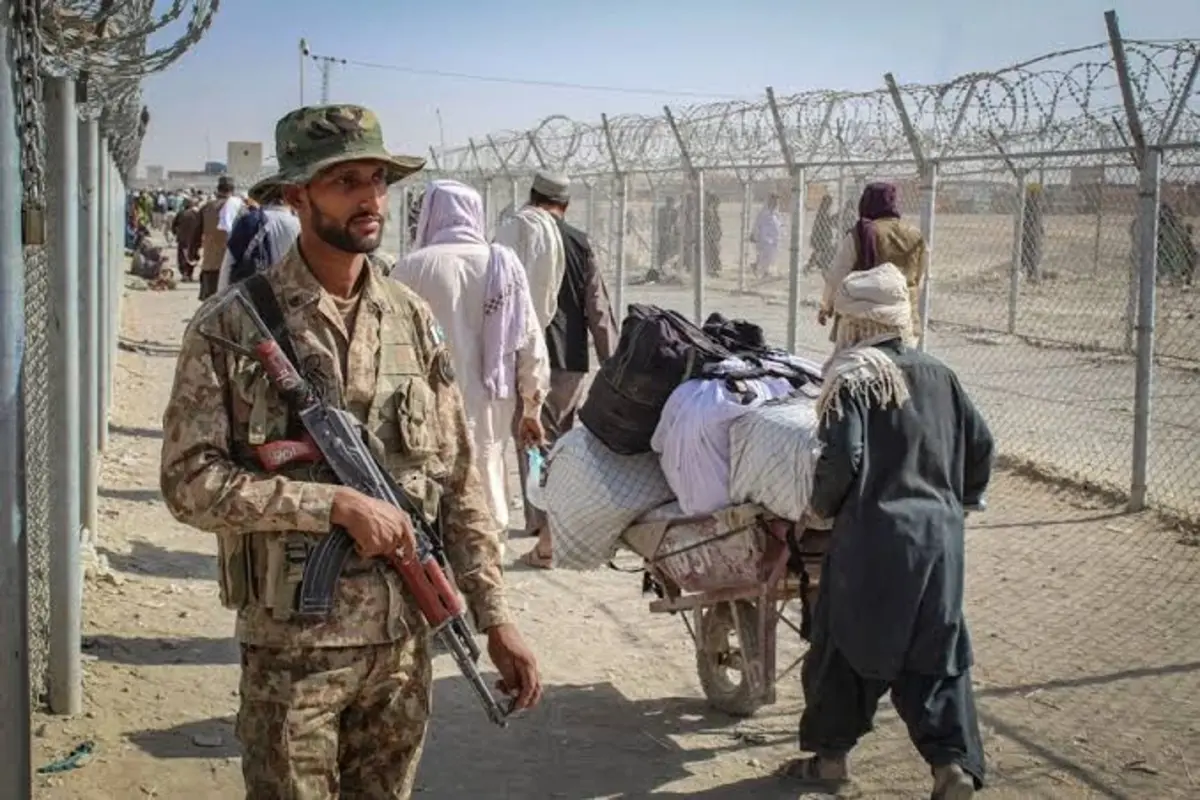
Karachi Roti Prices Rises as Inflation and Flour Costs Increase Pressure on Citizens

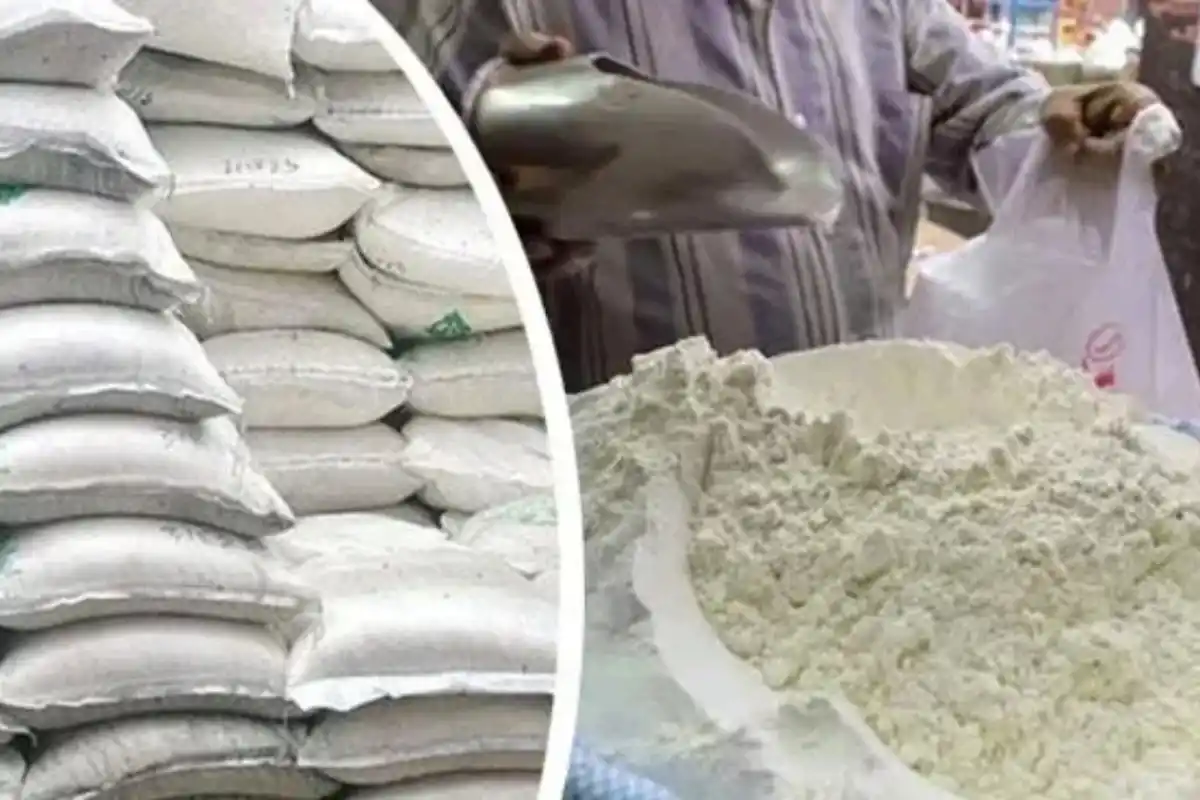
Flour prices rise in Pakistan - check rates
A fresh rise in flour prices has pushed the cost of bread higher across Karachi, adding another line item to household budgets already strained by earlier increases in vegetables, lentils, ghee, and sugar. Roti now sells for Rs25 in various parts of the city, with chapati priced at Rs20 — increases residents say are hitting daily meals rather than occasional purchases.
That distinction matters. Unlike cooking oil or sugar, which households can sometimes ration or substitute, bread is consumed multiple times a day in most Pakistani households, meaning even a small per-piece increase compounds quickly across a family’s weekly spending. Residents interviewed said the inflation has disrupted household budgets significantly, with the price hike falling hardest on middle-income families and daily-wage workers who have little flexibility to absorb rising costs.
The bread price increase reflects a broader wheat and flour market that has seen periodic volatility in recent years, often tied to harvest conditions, government procurement policies, and export decisions that shape how much wheat remains in the domestic supply chain. When flour mills face higher input costs, those increases typically reach consumers within weeks, as bread and roti vendors operate on thin margins that leave little room to absorb price shocks themselves.
For daily-wage earners, the impact is especially direct. Workers paid by the day already spend a disproportionate share of their income on food, and rising prices for a staple as basic as bread erode purchasing power in a way that’s harder to offset than discretionary spending cuts.
Residents have called on the government and district administration to take effective measures controlling flour and bread prices, arguing that intervention is needed to shield the public from further financial pressure. Past attempts at price controls on bread in Pakistani cities have had mixed success, often undermined by inconsistent enforcement across vendors or by rising wholesale flour costs that outpace administratively set retail caps.
Whether authorities move on price controls or supply-side measures will determine if this increase proves temporary or becomes the new baseline. Given how frequently flour prices have fluctuated in recent years, residents may see this cycle repeat unless structural issues in wheat procurement and distribution are addressed rather than managed through short-term price caps alone.
Catch all the Pakistan News, Breaking News Event and Trending News Updates on GTV News
Join Our Whatsapp Channel GTV Whatsapp Official Channel to get the Daily News Update & Follow us on Google News.
Must Read


Pakistan
Bilawal Bhutto Pays Tribute to Karsaz Martyrs, Calls for Unity Against Terrorism
18-October،2026