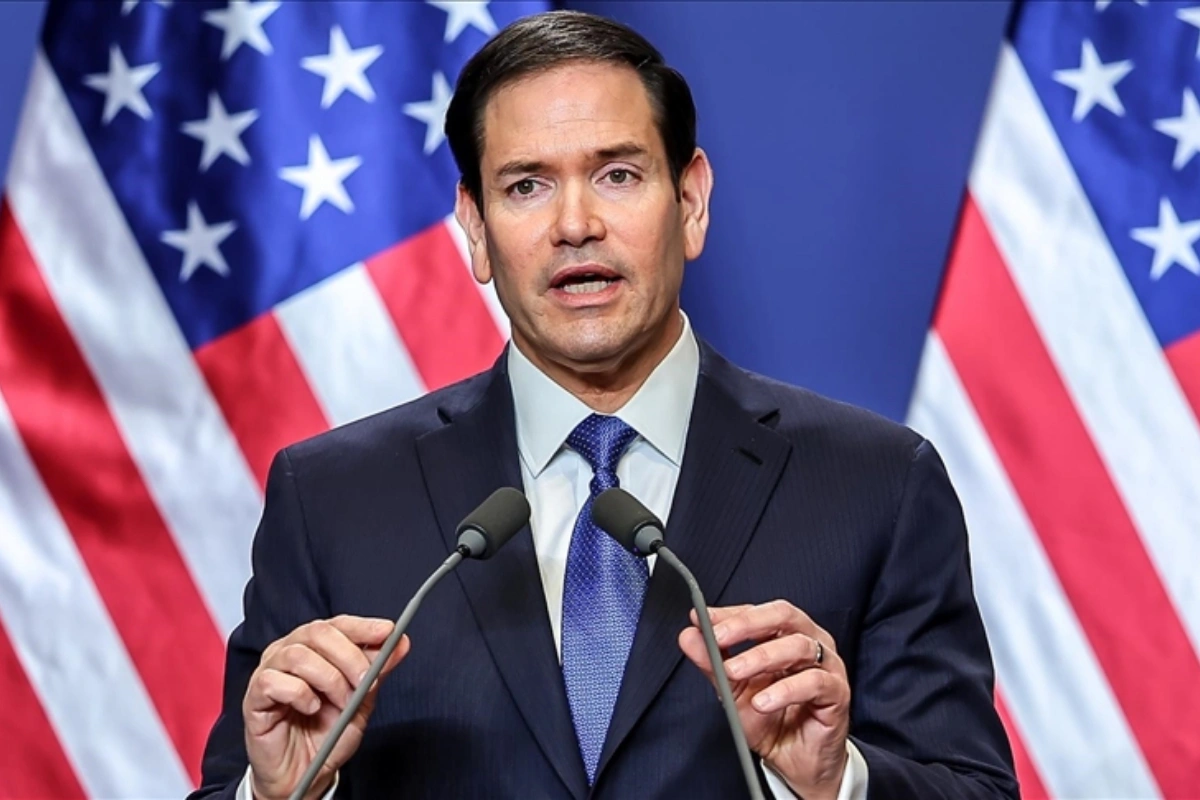
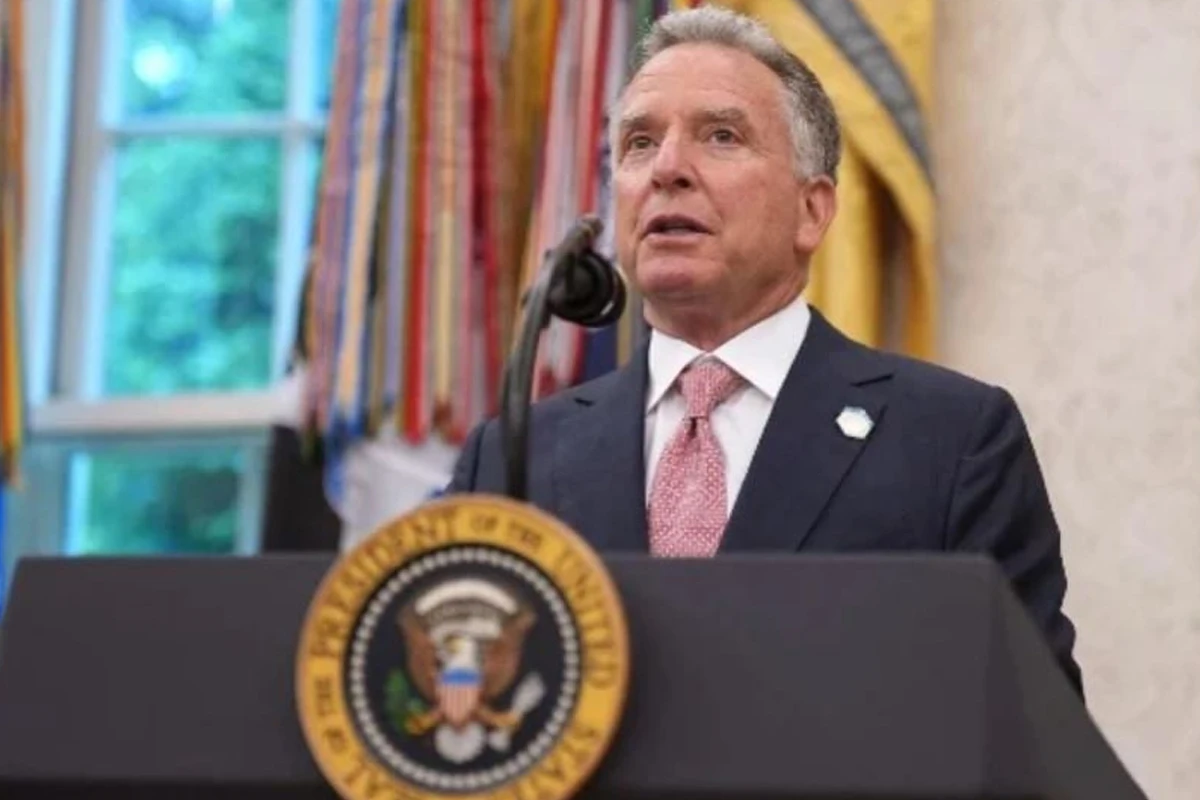
US Secretary of State Marco Rubio said Washington would be fully serious about resolving the conflict with Iran if Iranian officials demonstrate similar seriousness, signaling continued openness to dialogue even as the war between the two countries continues.
Rubio said Washington remains open-minded about ending the ongoing conflict and is fully prepared to pursue talks and negotiations to resolve it.
He made the remarks in Manila, the Philippines’ capital, following a significant meeting with Southeast Asian foreign ministers. Rubio said that if Iranian officials are serious about resolving the matter, the United States will be fully serious in turn — language that keeps the door open to negotiation without committing to specific terms.
He also issued a warning tied to that conditional offer, saying that if the other side fails to demonstrate seriousness, the United States would take whatever steps necessary to protect its own interests and those of all its allied nations. That framing places the burden of the next move on Tehran, presenting continued US military action as the default outcome absent a credible Iranian shift toward negotiation.
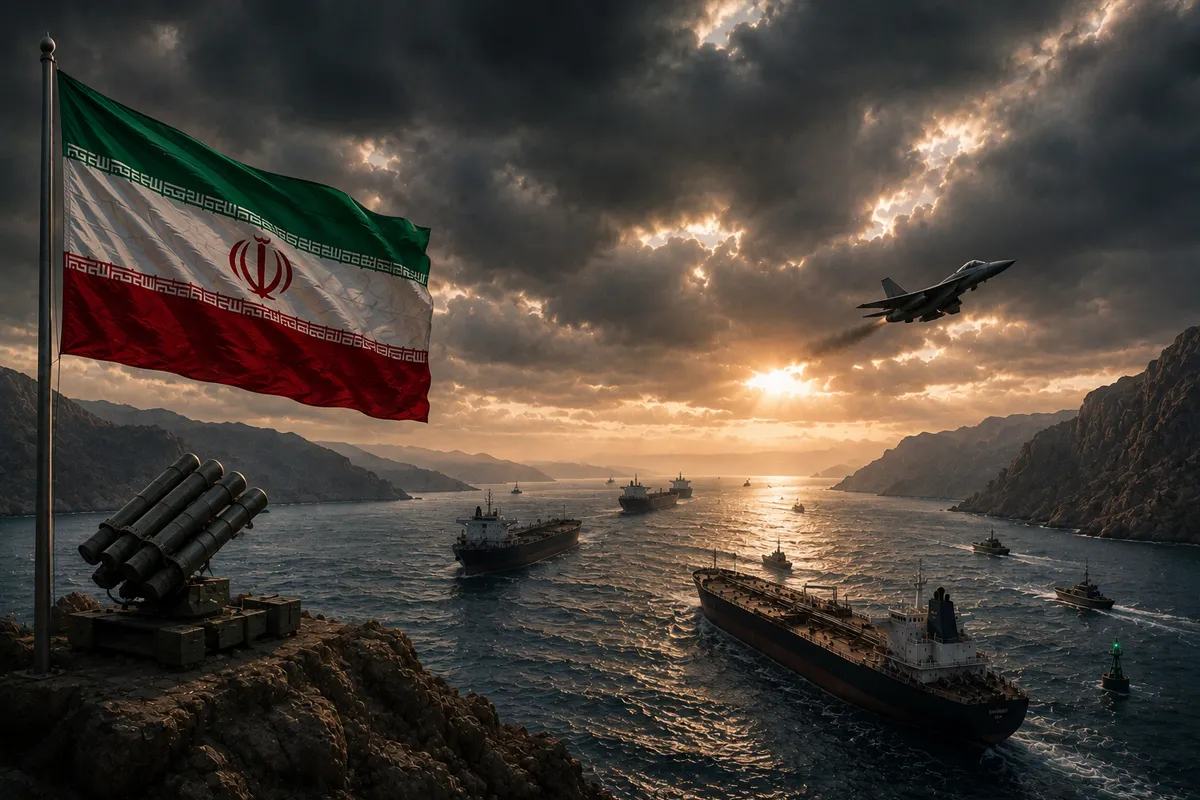
The remarks come as the conflict continues escalating on multiple fronts, following the collapse of an earlier memorandum of understanding that had paused hostilities. Rubio separately addressed Iran’s use of the Strait of Hormuz as leverage in the conflict during the same trip, calling on other countries to share the burden of protecting global shipping routes rather than relying solely on the US Navy.
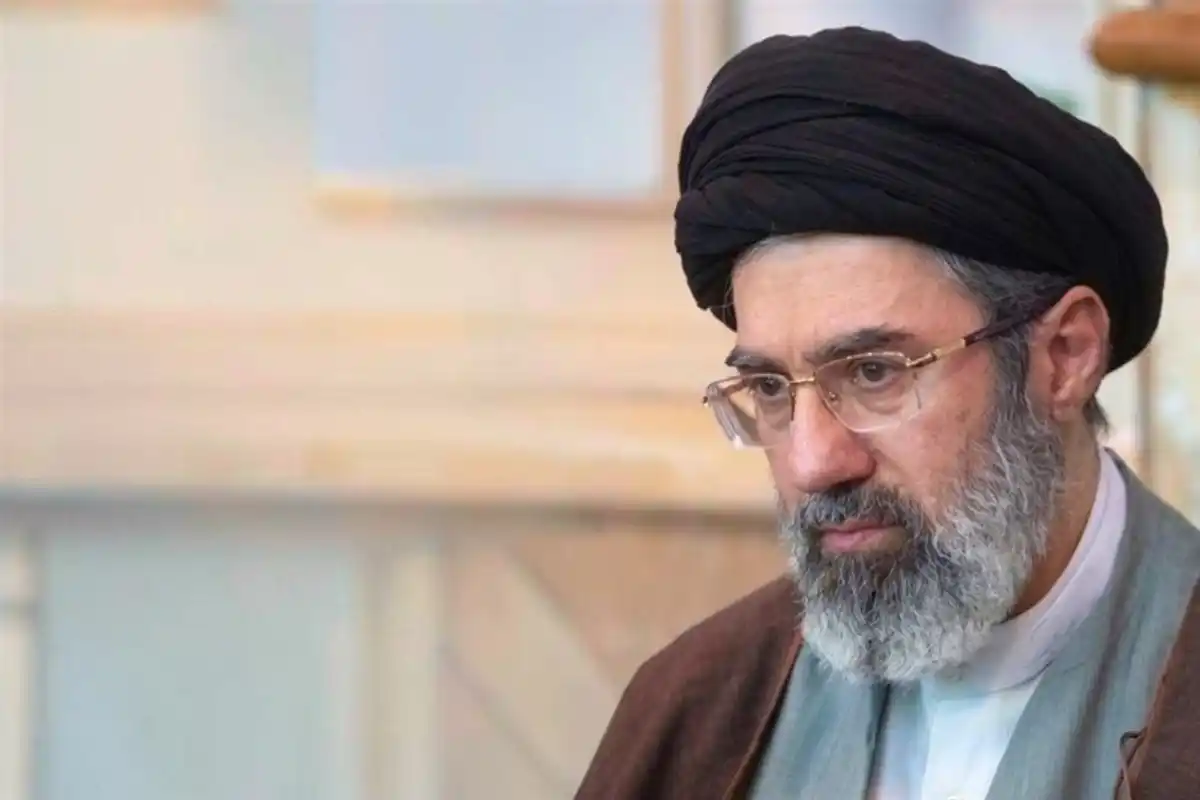
His comments echo a pattern seen throughout the conflict, where both Washington and Tehran have repeatedly stated openness to diplomacy while simultaneously blaming the other side for the breakdown of previous agreements. Iranian officials, including IRGC advisor Mohsen Rezaei, have made parallel arguments in reverse, accusing the US of violating the terms of the earlier memorandum through continued strikes and the naval blockade, and declaring the policy of pursuing negotiations and military action simultaneously effectively finished from Iran’s side.
That mirrored positioning — each side insisting it remains open to talks while attributing the current impasse to the other’s lack of seriousness — makes it difficult to assess whether either side’s diplomatic language reflects a genuine near-term opening or primarily serves to shift responsibility for the conflict’s continuation onto the opposing party.
Whether Rubio’s remarks in Manila translate into any concrete diplomatic contact with Iranian officials remains to be seen. Given the pattern of stalled negotiations and continued nightly strikes over recent weeks, the practical test will be whether either side makes a tangible move toward direct talks in the coming days, rather than continuing to trade conditional offers through public statements.