
Rubio Says US Will Target Iran Over Shipping Threats, Remains Open to Diplomacy

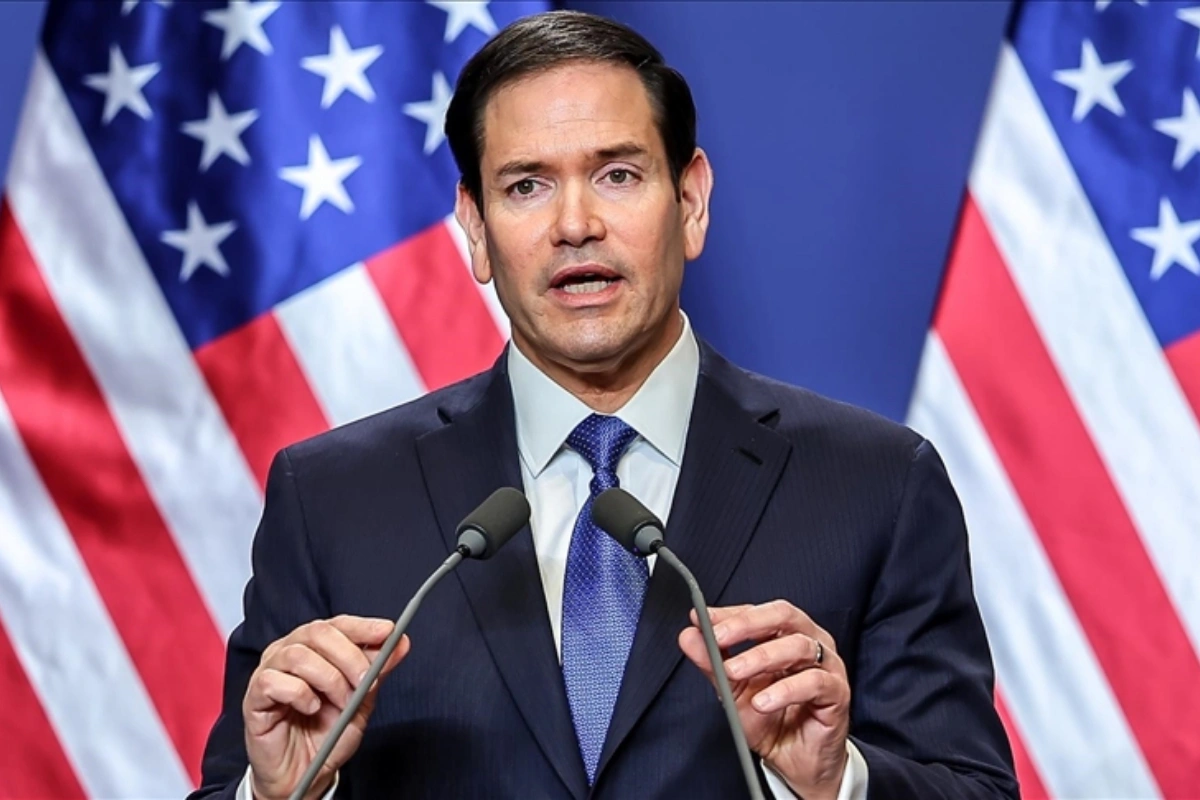
Rubio Tells Allies US Shifting From Strikes to Sanctions on Iran: Report
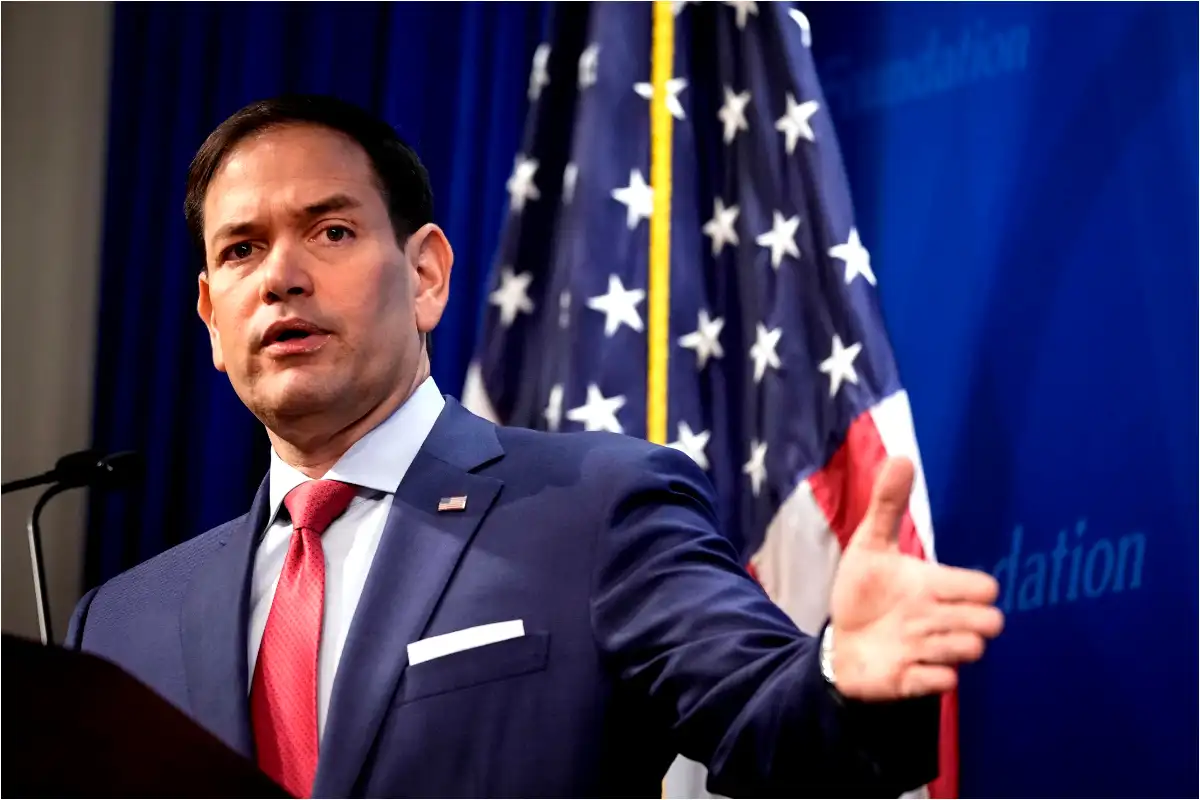
US Secretary of State Marco Rubio said on Wednesday that Iran is facing serious economic and military pressure, but the United States will continue targeting its ability to threaten commercial shipping while keeping the door open for negotiations.
“Iran’s in a lot of trouble,” Rubio told reporters on the sidelines of the ASEAN summit.
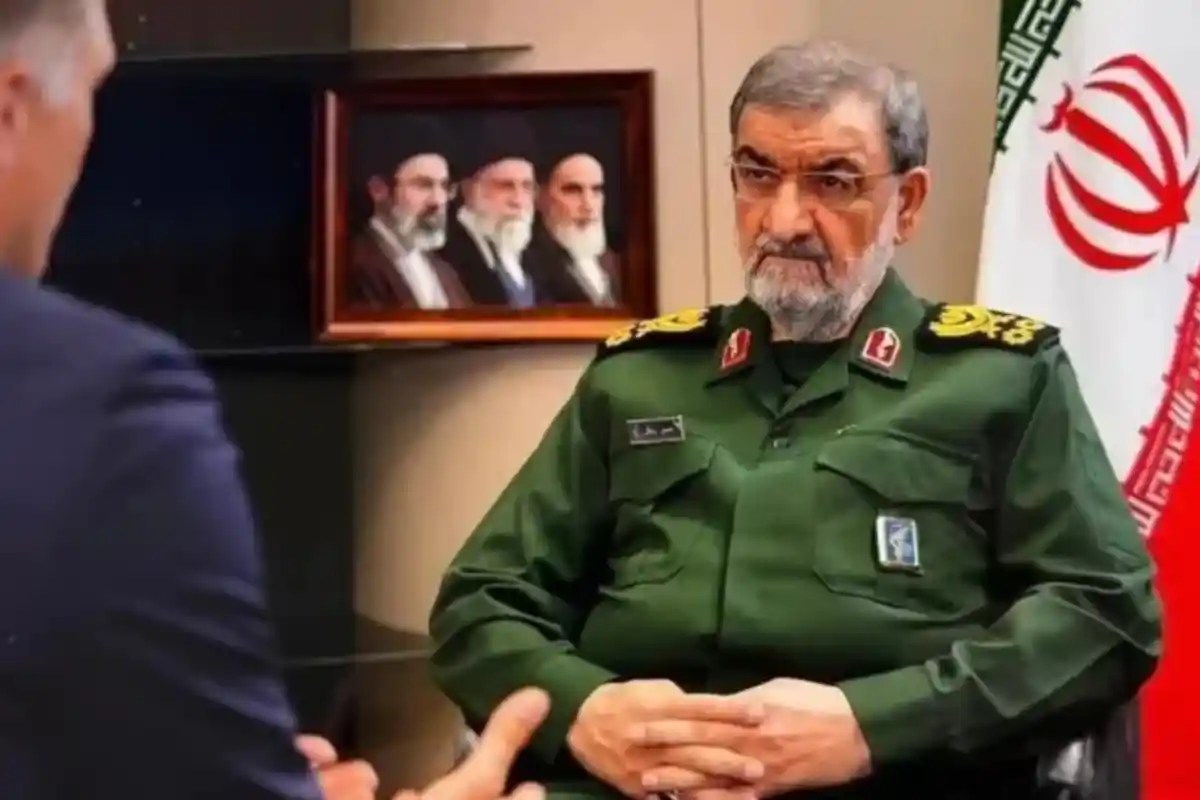
He said Iran was dealing with “hyperinflation, runaway inflation, high food costs,” while its military infrastructure had suffered “a tremendous amount of damage.”
Rubio accused Iran of spending “every penny they have” over the past two decades “not spending it on their country,” but instead “sponsoring terrorist groups and building up their missiles and their drone systems.”
He said Iran’s missile and drone capabilities were intended to protect its nuclear ambitions.
Shipping campaign
Rubio said the US was focused on protecting commercial ships and reducing Iran’s ability to threaten maritime traffic in the Strait of Hormuz.
“Ships are trying to go through the Straits and they’re getting blown up. Commercial ships are going through the Straits and they’re being blown up,” he said.
“The United States is defending that shipping and, in addition, is targeting the places that are launching against those ships that continue to degrade Iran’s ability to target and harm global shipping.”
“So that’s what’s happening there, and that’s what we’re focused on.”
Rubio also rejected Iran’s interpretation of the Islamabad memorandum of understanding, saying the agreement did not allow Tehran to attack commercial ships in the Strait of Hormuz.
Memorandum of understanding
When asked about Iran’s decision to suspend its commitments under the Islamabad memorandum of understanding with the US, Rubio said agreements depend on both sides following their terms.
“If you make a deal, if you sign on to an agreement, and then you violate the agreement, the agreement’s no longer valid,” he said.
“That doesn’t mean you can’t have a future agreement, but ultimately, that future agreement will have to be judged on whether or not you’re complying with the conditions.”
Rubio said the memorandum “called for the opening of the Straits, free and fair navigation.”
He claimed Iran was expected to issue a statement supporting this but instead attacked a ship.
Diplomacy remains possible
Rubio said Washington had not abandoned diplomatic efforts despite the ongoing military campaign.
“We remain open to diplomacy. We remain open to working it out in a negotiated way.”
“But right now, they don’t seem to be serious about that, and so we’re going to continue to protect shipping.”
He also called on other countries to join efforts to protect commercial shipping, saying they were more affected by disruptions in the Strait of Hormuz.
China and the Strait of Hormuz
Rubio said China’s actions had not changed the course of the conflict with Iran. He also suggested that Beijing opposed any restrictions on navigation through the Strait of Hormuz.
“Nothing that’s happened, nothing that China has done, has in any way changed the trajectory of what you’re seeing in terms of the conflicts we’re having with Iran,” he said.
“I don’t think they’re big fans of what Iran is trying to do in the Straits.”
He added that China had publicly opposed restrictions on freedom of navigation and said the US hoped other countries would also speak out against any disruption.
Catch all the World News, Breaking News Event and Trending News Updates on GTV News
Join Our Whatsapp Channel GTV Whatsapp Official Channel to get the Daily News Update & Follow us on Google News.
Must Read

Pakistan
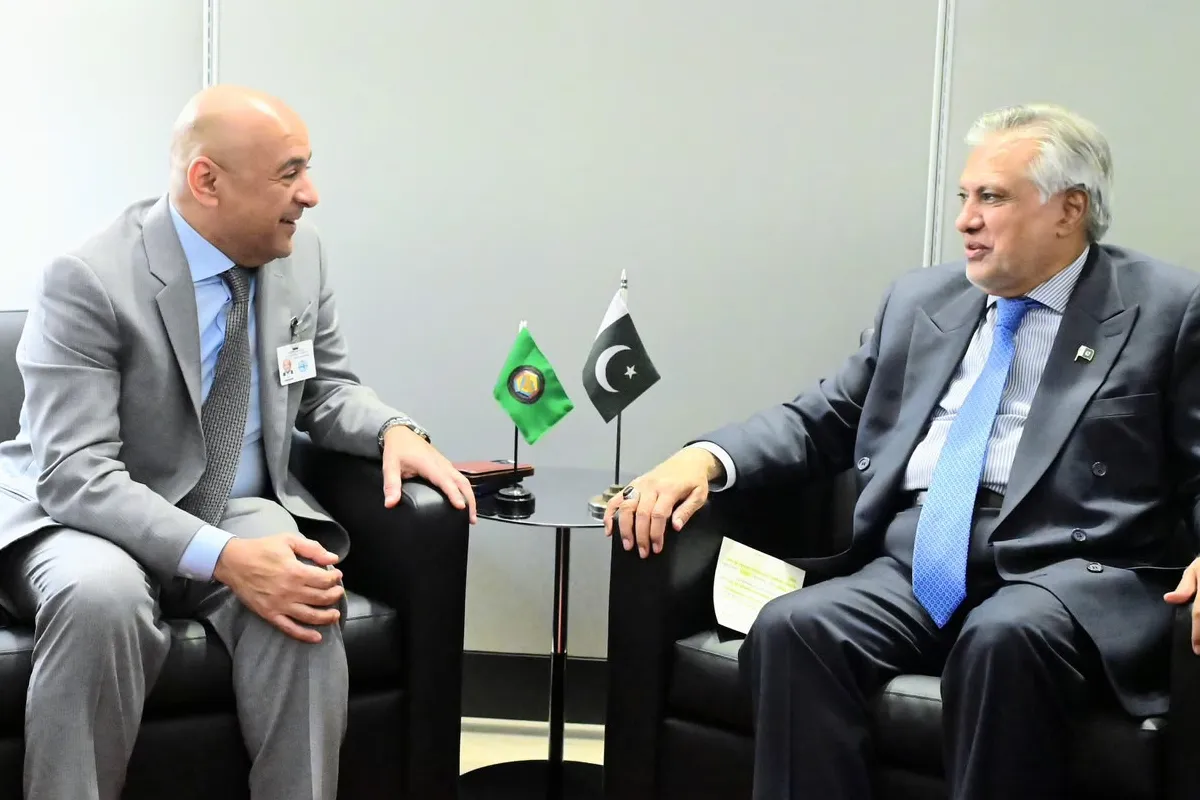
Ishaq Dar, GCC Secretary General Discuss Strengthening Pakistan-GCC Cooperation at UNGA
24-September،2026