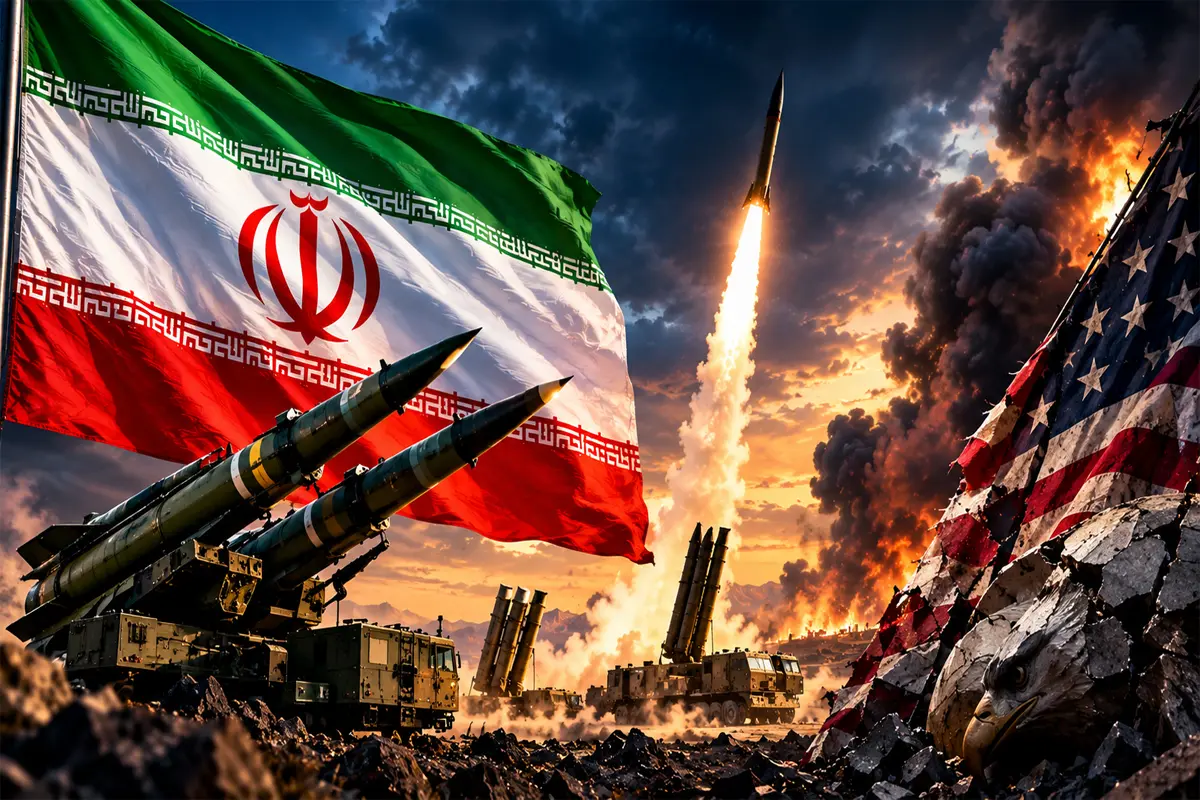

Trump Faces Difficult Choices as Iran War Enters Sixth Month

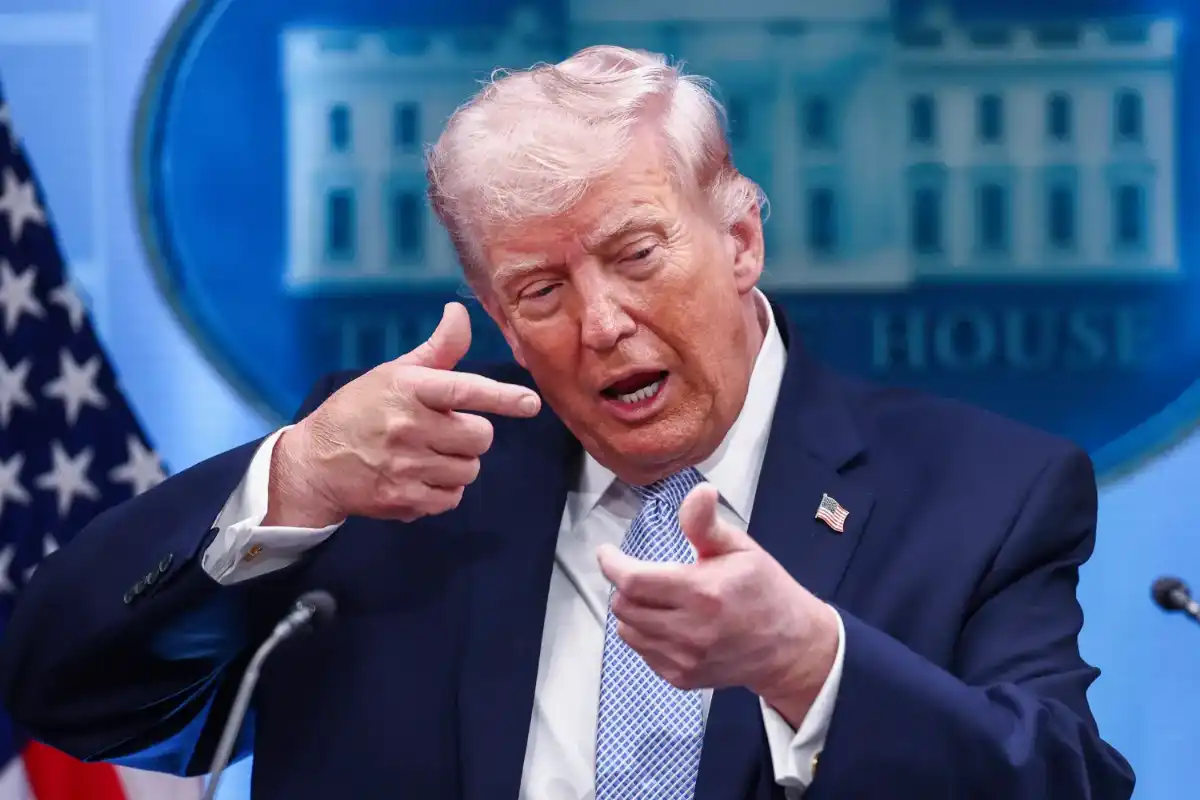
Trump Orders Military to Launch Fresh Attack on Iran: US Newspaper Claims
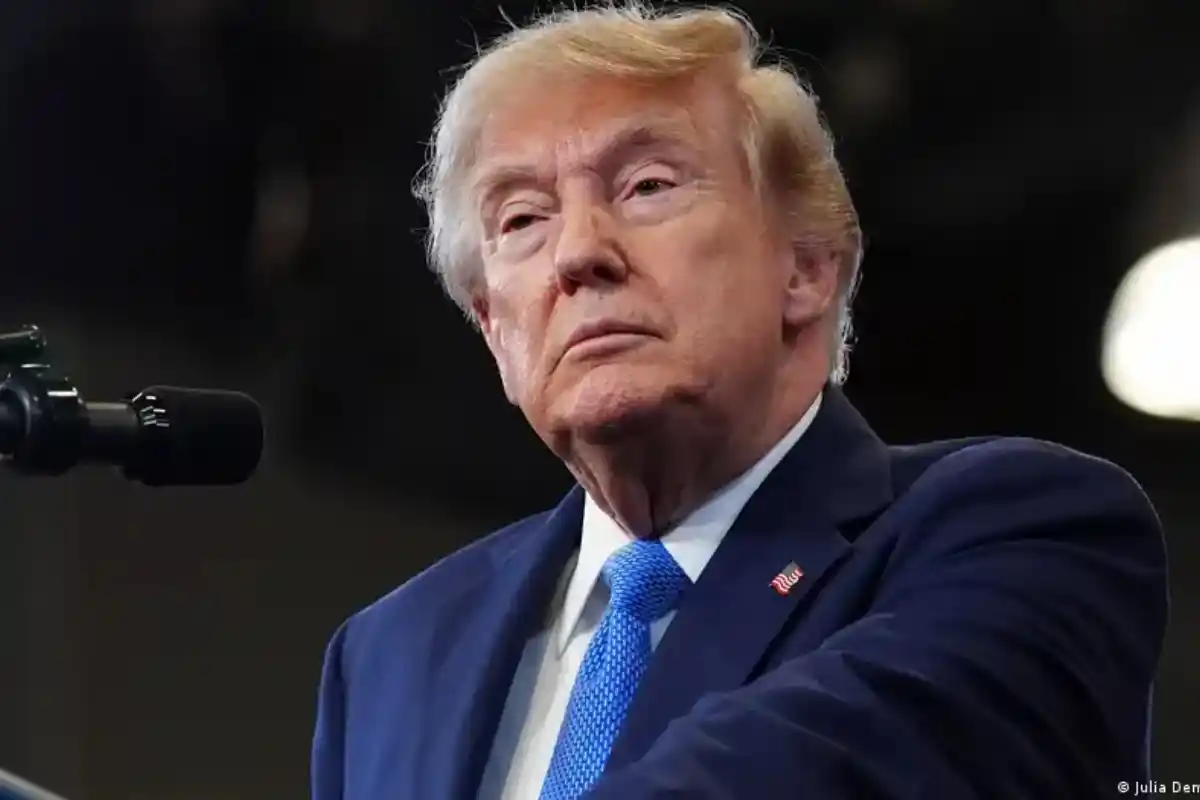
US President Trump faces a difficult strategic choice as the war against Iran enters its sixth month, according to Reuters: either accept a proposed interim agreement between Iran and Oman regarding the Strait of Hormuz, or escalate military action further. Neither option appears politically comfortable given the war’s mounting domestic costs.
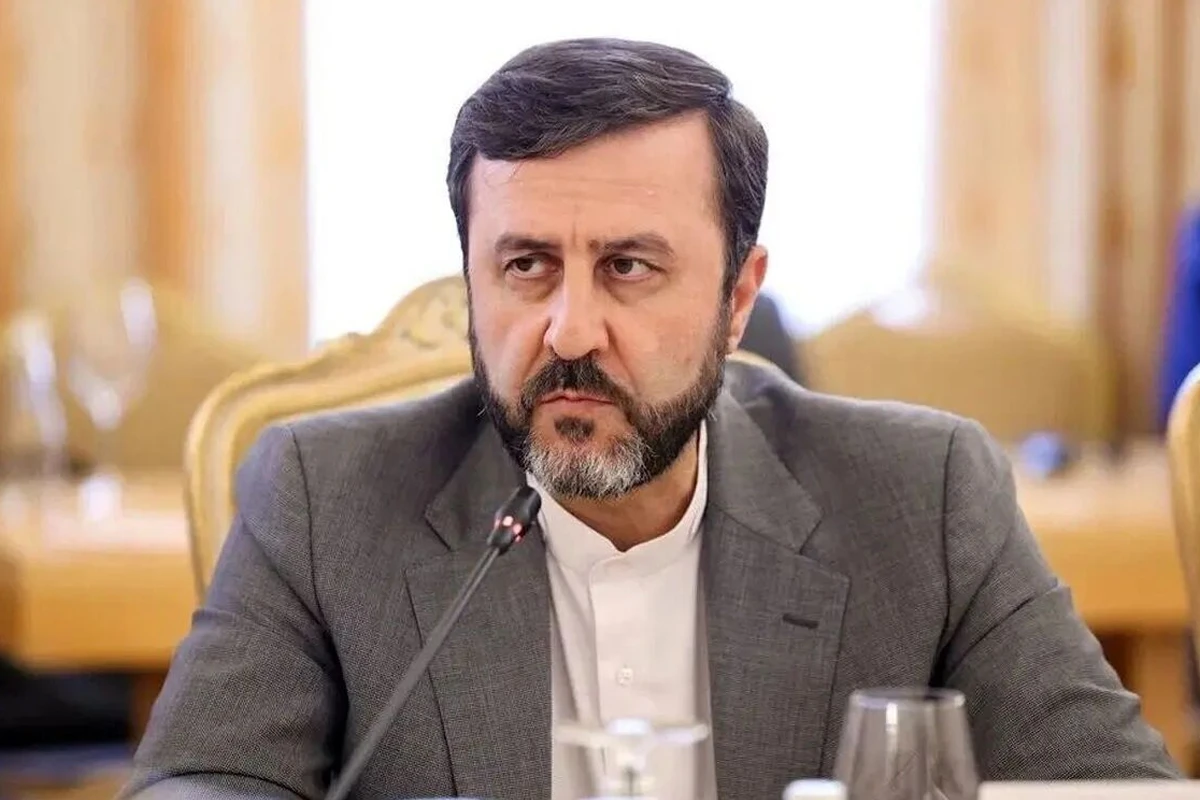
Under the proposed arrangement, Iran could receive limited oversight or a role in monitoring maritime traffic through Hormuz — a framework that stands in direct tension with Secretary of State Marco Rubio’s stated position that the critical global waterway should remain completely free and outside any single country’s control. That gap between a negotiated compromise granting Iran some role and Washington’s stated position on unrestricted access illustrates the core dilemma facing the administration: any deal addressing Iran’s demands risks conceding exactly the kind of control Rubio has publicly insisted the US won’t accept.
Analysts say the war’s prolonged duration has made decision-making increasingly difficult for Trump, citing rising domestic fuel prices, growing public opposition, and his declining approval ratings as factors narrowing his political room to maneuver. This assessment aligns with recently reported congressional votes on war powers resolutions and protester disruptions at Senate hearings on war funding, both signs of mounting domestic political friction over the conflict’s continuation.
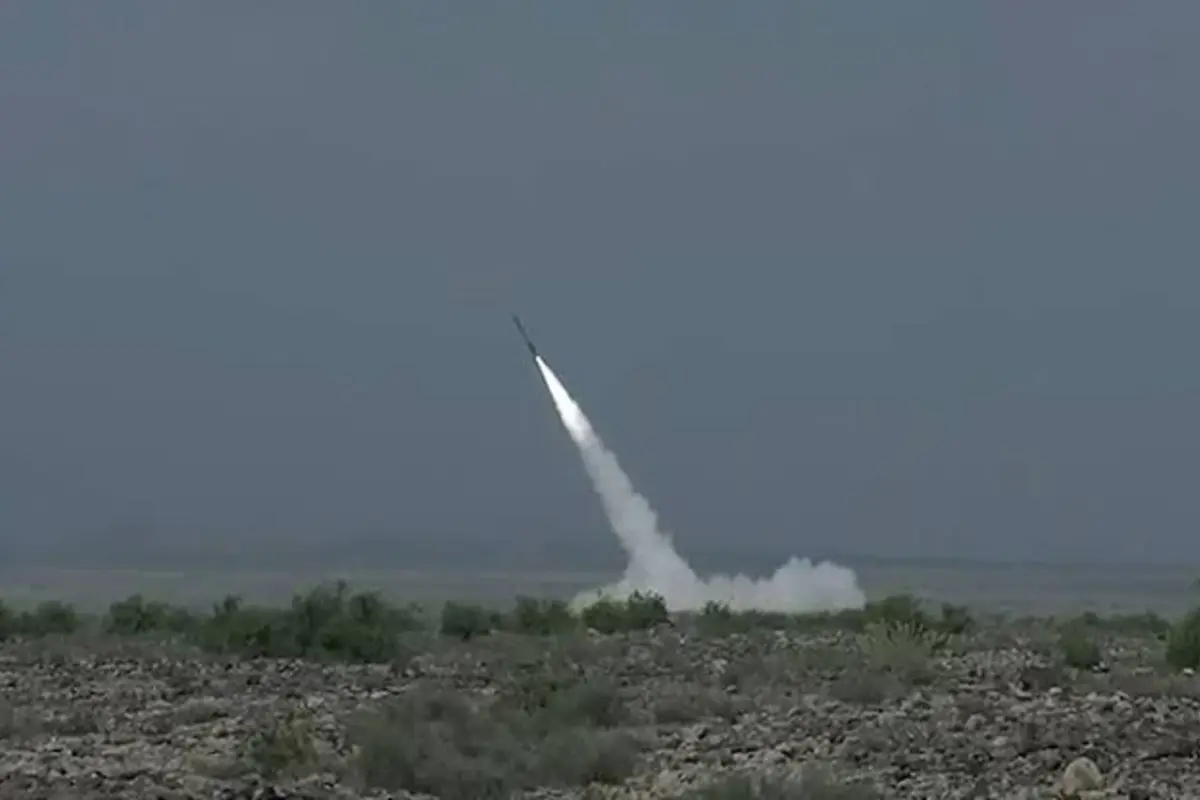
The analysis frames Trump’s choice as carrying risk either way: escalating airstrikes further could increase political danger domestically, while maintaining the current situation without a resolution offers little likelihood the conflict actually ends. That framing suggests the war has reached a kind of strategic stalemate where neither continued military pressure nor extended negotiation has produced a clear path to resolution, leaving passive continuation as perhaps the least immediately risky but also least productive option.
Experts cited in the analysis argue the war hasn’t achieved its core objectives to date — a conclusion consistent with earlier Reuters reporting noting Trump has yet to accomplish his stated goals of dismantling Iran’s nuclear program, curbing its regional strike capability, or creating conditions for Iranians to overthrow their government. Analysts further note that China, Russia, and North Korea are closely studying this conflict to assess American military capability and strategic decision-making — a dynamic with implications extending well beyond the immediate US-Iran confrontation, since how this war concludes, or fails to conclude, may shape how these other states calculate the costs and risks of their own potential confrontations with Washington in the future.
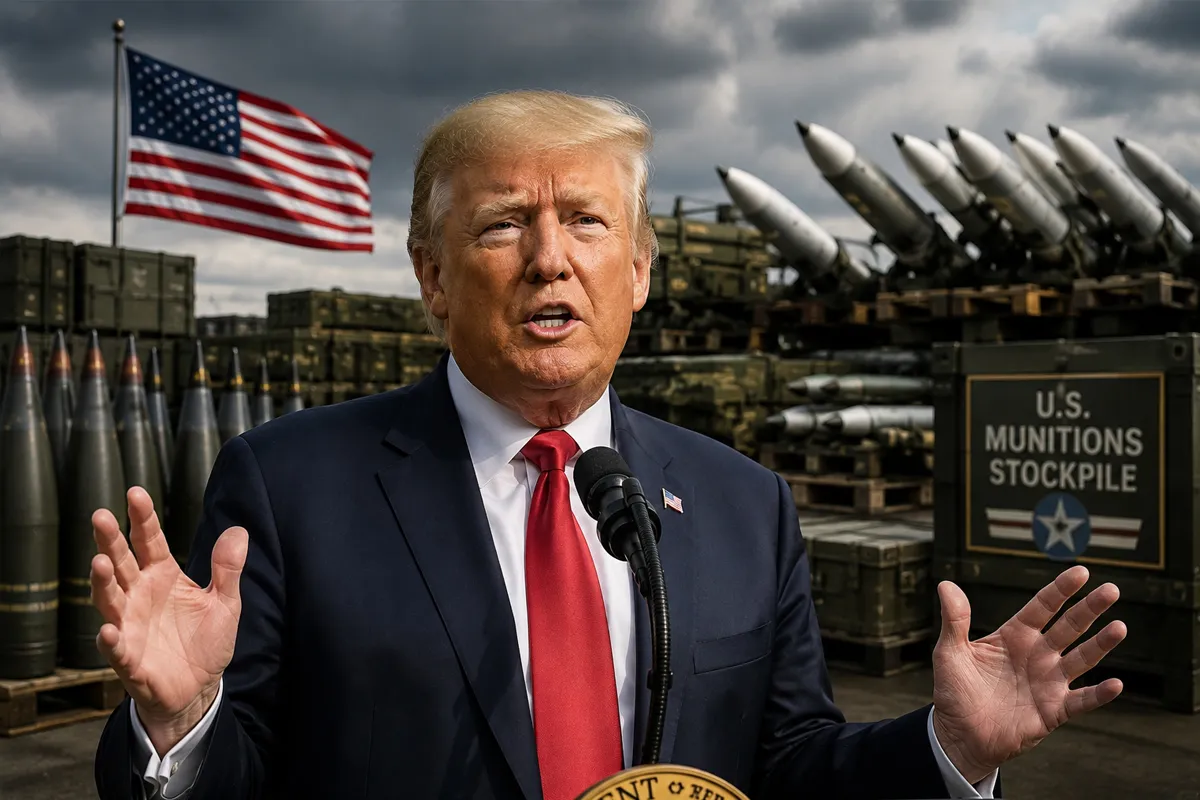
This latest assessment adds to a growing body of reporting suggesting the war has settled into an unusually difficult pattern for the administration: repeated cycles of escalation and de-escalation without decisive resolution, contradictory public statements from both governments about negotiating status, and mounting evidence of strain on US military stockpiles and domestic political patience alike. Whether Trump ultimately accepts a compromise granting Iran some Hormuz oversight role, pursues further military escalation despite the political risks, or continues the current holding pattern will likely be shaped as much by domestic political calculations around fuel prices and approval ratings as by the underlying strategic and military considerations driving the conflict itself.
Catch all the World News, Breaking News Event and Trending News Updates on GTV News
Join Our Whatsapp Channel GTV Whatsapp Official Channel to get the Daily News Update & Follow us on Google News.
Must Read
Pakistan
Funeral Prayers Held for Major Hasnain Shahzad Humayun and Captain Abdul Samad
13-October،2026