
US-Israel Ships Face Possible Restrictions Under Iran’s Proposed New Law

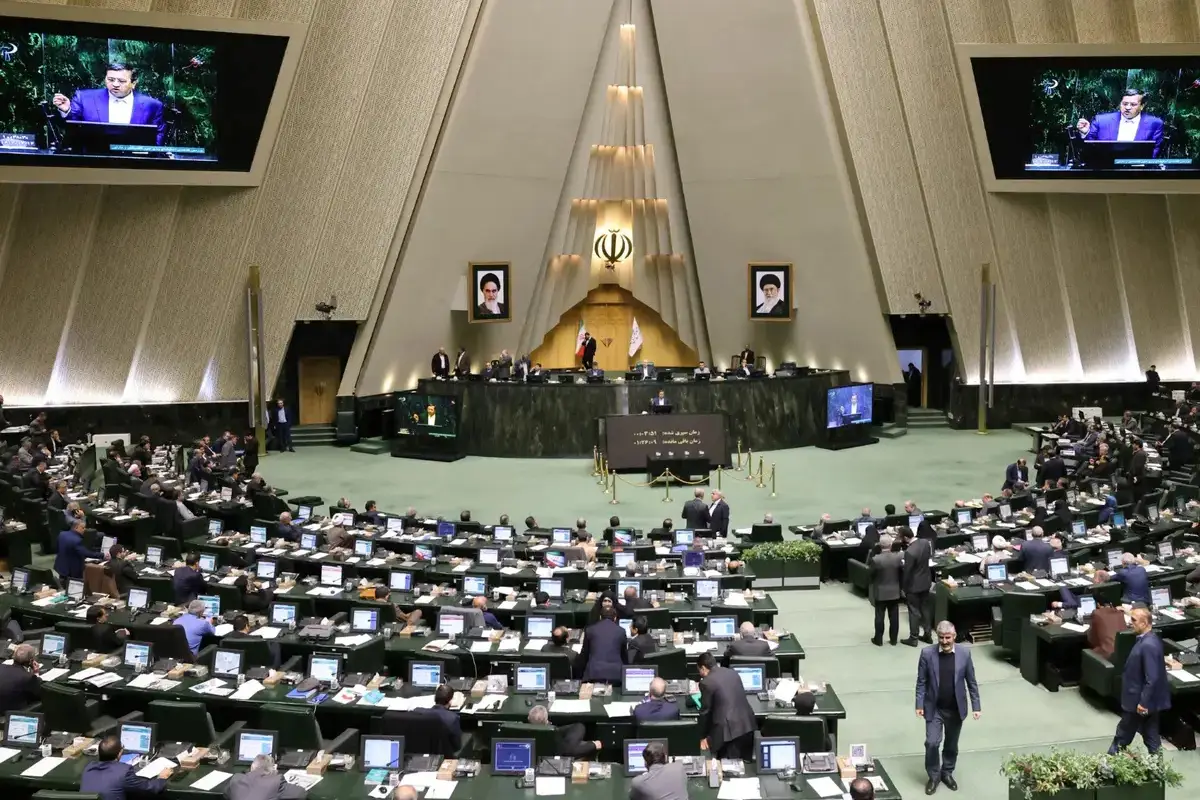
An Iranian parliamentary committee is reviewing draft legislation to ban vessels from hostile nations, including the US and Israel, from Iranian ports and waters, according to Fars News Agency. Under the proposed law, ships violating the restriction would face fines equal to 20% of the value of their cargo.
An Iranian lawmaker said the draft remains under expert review, with recommendations being sought from specialists before finalization, and that the bill will take final shape only after those suggestions are incorporated.
This legislative move adds a formal domestic legal dimension to Iran’s broader maritime posture throughout the ongoing conflict. Iran has repeatedly asserted operational control over the Strait of Hormuz through military and rhetorical means — including IRGC claims of intercepting and disabling vessels, warnings against ships following what Iran calls unsafe routes, and senior officials like Mohsen Rezaei declaring no alternate route will be permitted. A parliamentary bill formalizing penalties for hostile nations’ vessels would translate that operational assertion into codified domestic law, giving Iran a legal framework to justify enforcement actions it has so far carried out primarily through direct military and naval measures.
The 20% cargo value penalty structure suggests lawmakers are designing the bill as an economic deterrent alongside the military enforcement Iran has already demonstrated, potentially creating a dual-track approach: financial penalties for vessels that technically comply with entry but violate other terms, alongside the military interdiction Iran has used against ships attempting what it considers unauthorized passage.
The timing coincides with a notably fluid moment in the broader conflict, with competing reports over whether genuine US-Iran negotiations are occurring, Trump’s claims of an imminent Hormuz reopening, and separate reports describing Trump facing a difficult choice between accepting an Iran-Oman interim arrangement on the strait or escalating military action further. A formal legislative move restricting hostile nations’ shipping access, moving through Iran’s parliament during this period of negotiating uncertainty, suggests domestic political and legal institutions are moving toward codifying Iran’s maritime restrictions as durable policy rather than treating them as temporary wartime measures likely to be reversed once fighting ends.
Iran’s Majlis has periodically used this kind of legislative process to formalize responses to international pressure, giving parliamentary and legal weight to positions the government has already been pursuing through executive and military action. Whether this specific bill advances quickly given the current urgency of the maritime standoff, or moves through the more typical extended review process Iranian legislation often follows, will likely depend on how the broader diplomatic and military situation surrounding Hormuz develops in the coming weeks. If enacted, the law would represent one of the more concrete formal commitments Iran has made toward maintaining long-term restrictions on hostile nations’ maritime access, regardless of how the current phase of the conflict resolves.
Catch all the World News, Breaking News Event and Trending News Updates on GTV News
Join Our Whatsapp Channel GTV Whatsapp Official Channel to get the Daily News Update & Follow us on Google News.
Must Read

Pakistan
Funeral Prayers Held for Major Hasnain Shahzad Humayun and Captain Abdul Samad
13-October،2026