
Iran’s Supreme Leader Makes Surprise Appointment, Mohsen Rezaei Gets New Role

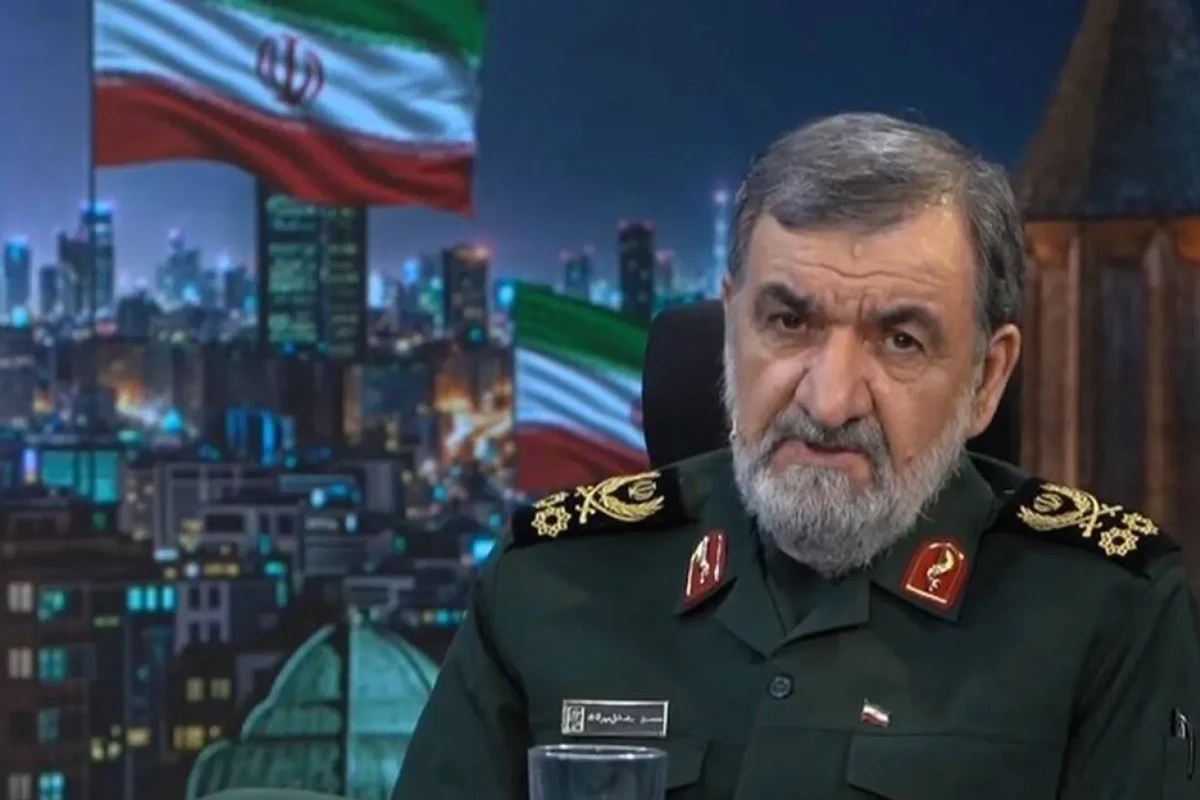
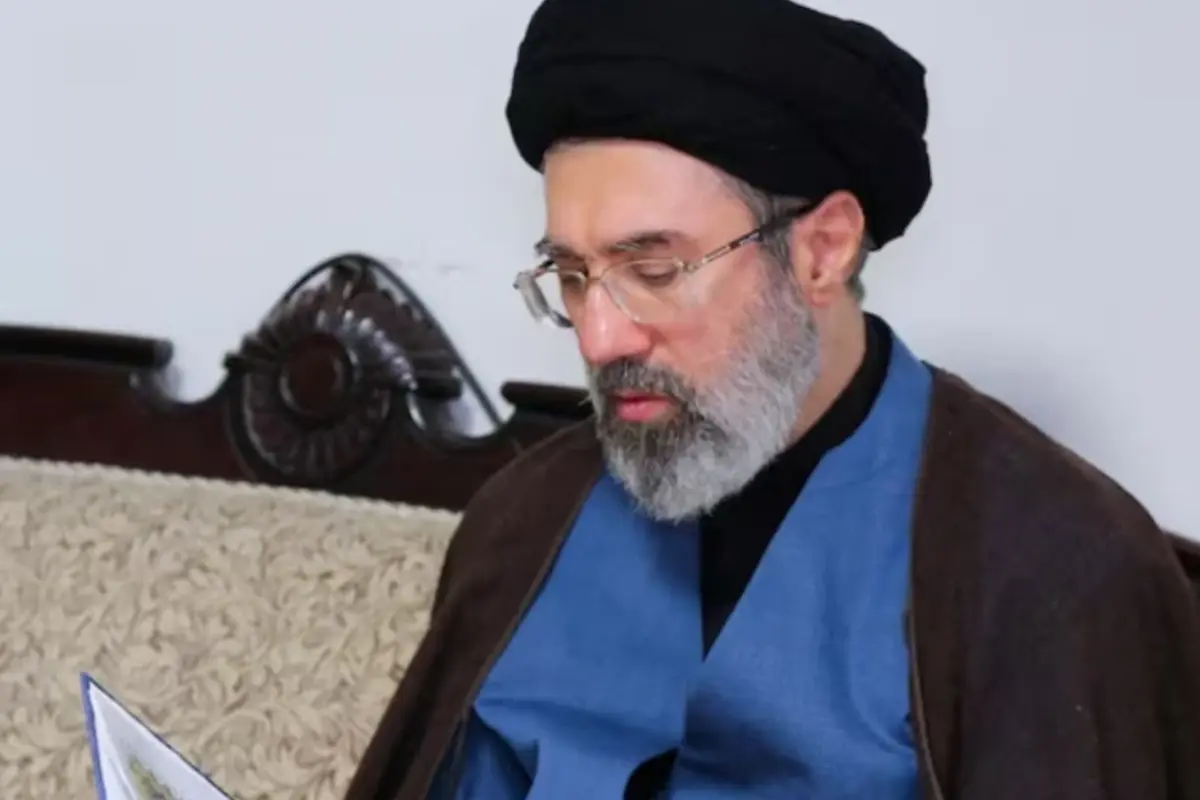
Major General Mohsen Rezaei has been appointed as a representative to Iran’s Supreme National Security Council, according to Iranian media reports. Rezaei, who already serves as a senior advisor to Iran’s Supreme Leader, previously led the Islamic Revolutionary Guard Corps from 1981 to 1997, giving him one of the longest tenures of any IRGC commander in the organization’s history.
Rezaei is widely regarded as a figure with deep experience in Iranian security affairs and is considered one of the Supreme Leader’s closest and most trusted associates — a reputation reflected in his prominent public role throughout the current conflict, during which he has repeatedly issued high-profile statements on Iran’s military posture, negotiating positions, and strategic warnings to the US and its allies.
This appointment formalizes and elevates a role Rezaei has effectively already been performing in an advisory capacity. Throughout the war, he has been among the most visible senior Iranian officials commenting publicly on the conflict’s trajectory — from detailing why Iran considers the earlier memorandum of understanding void due to alleged US violations, to disclosing Iran’s decision to abandon planned strikes on Ukrainian targets after Kyiv acknowledged a mistaken attack on an Iranian vessel, to warning that resuming major US strikes would still leave Iran prepared for full retaliation.
The Supreme National Security Council serves as Iran’s top decision-making body on defense and security matters, chaired by the president but operating under the Supreme Leader’s ultimate authority, and includes senior military, intelligence, and government figures responsible for coordinating the country’s response to major security threats. A formal representative role for Rezaei on this council would position him even more directly within Iran’s core wartime decision-making apparatus, beyond his previous informal advisory capacity.
Rezaei’s decades of IRGC leadership experience, combined with his consistent public visibility throughout this conflict, suggest Iranian leadership may be consolidating strategic decision-making authority around figures with the deepest institutional security experience as the war extends well past its sixth month without clear resolution. His background leading the IRGC during the Iran-Iraq War in the 1980s — one of the most formative and costly conflicts in modern Iranian history — likely shapes how he approaches the current confrontation with Washington, having personally overseen Iran’s military response to sustained external attack during that earlier era.
Whether this formalized appointment signals any shift in Iran’s strategic approach to the ongoing conflict, or simply reflects institutional recognition of a role Rezaei has already been filling in practice, will likely become clearer through his continued public statements and any policy shifts attributable to his expanded formal authority within Iran’s security decision-making structure in the weeks ahead.
Catch all the World News, Breaking News Event and Trending News Updates on GTV News
Join Our Whatsapp Channel GTV Whatsapp Official Channel to get the Daily News Update & Follow us on Google News.
Must Read