Pakistan Emerges as Key Mediator in US-Iran Ceasefire, Global Recognition of Its Peace Efforts

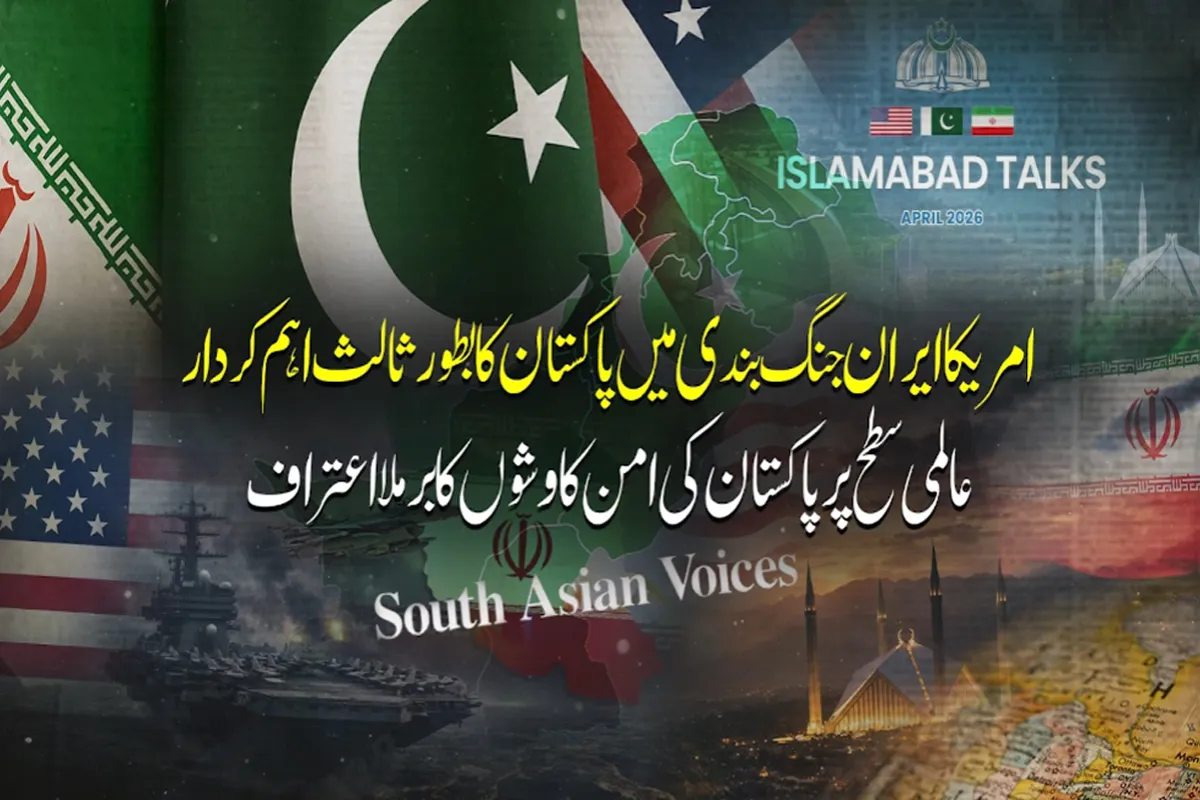
Pakistan’s diplomatic role in facilitating a ceasefire between the United States and Iran has drawn growing international attention, highlighting Islamabad’s expanding position as a potential mediator in major regional conflicts.
According to an analysis published by international magazine South Asian Voices, Pakistan and Qatar have been making sustained diplomatic efforts to prevent further escalation between Washington and Tehran following the agreement that brought the two sides toward a ceasefire.
The publication argues that Pakistan, because of its diplomatic reach and longstanding relations with both sides, could play a particularly important role in bringing the United States and Iran closer to renewed dialogue.
Pakistan’s unique diplomatic position stems from its strategic and military partnership with the United States, alongside its longstanding historical, cultural and diplomatic ties with Iran. These relationships have given Islamabad channels of communication with both Washington and Tehran that few countries in the region possess.
According to South Asian Voices, Field Marshal Syed Asim Munir has been at the forefront of efforts aimed at facilitating a ceasefire between Iran and the United States from the early stages of the confrontation.
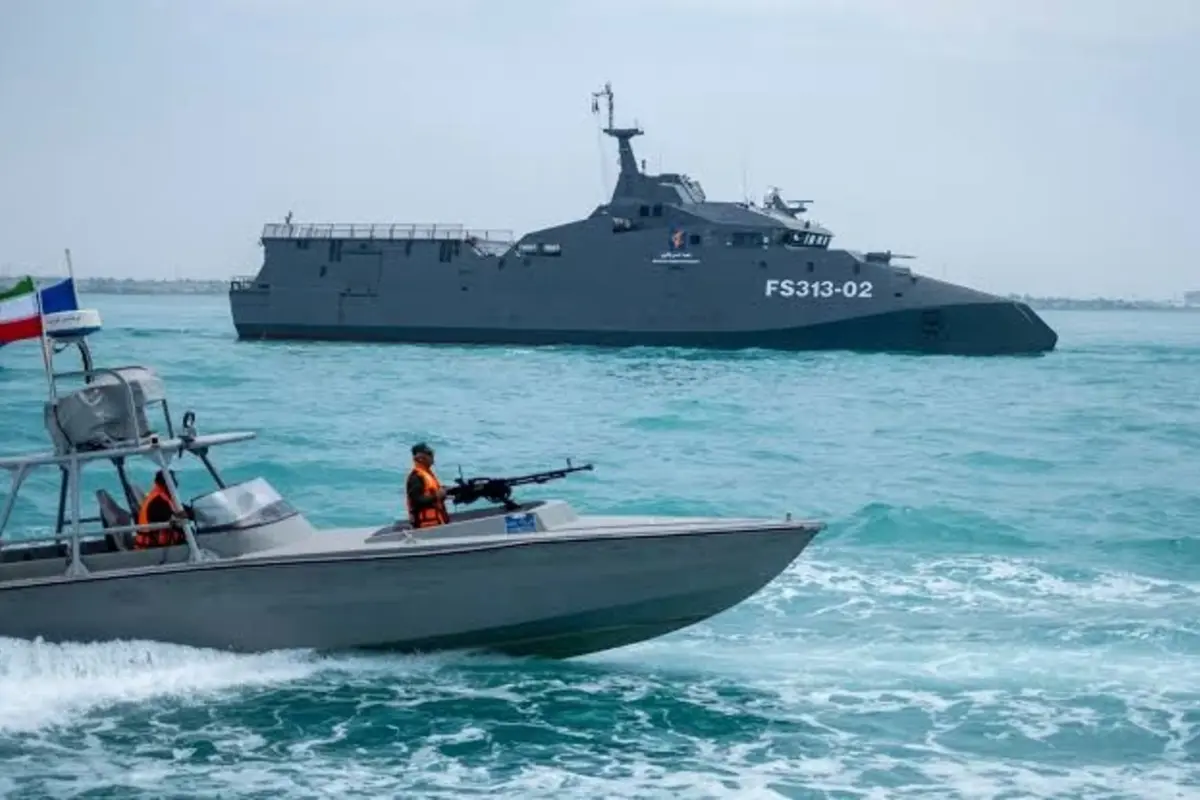
The publication further reported that Pakistan and Qatar had jointly presented a commercial proposal in July aimed at encouraging Washington and Tehran to move toward a ceasefire and facilitating the reopening of the Strait of Hormuz.
The diplomatic push comes at a time when both sides are facing significant pressures. Iran continues to confront economic difficulties and sanctions, while the United States is dealing with the financial burden of prolonged military operations and constraints on its military resources.
Against this backdrop, Pakistan’s relationships with the United States, Iran, Saudi Arabia and China simultaneously have strengthened its position as a potential and credible diplomatic intermediary, according to the publication.
Pakistan’s diplomatic importance has also been reinforced by the recent joint defence agreement involving Saudi Arabia, Pakistan and Türkiye. The development has further highlighted Islamabad’s growing strategic relevance in a rapidly changing regional security environment.
Pakistan has historically played a role in facilitating dialogue between major powers. Its diplomatic channels were previously instrumental in bringing the United States and China closer during a period of intense Cold War rivalry. Islamabad also maintained an important diplomatic role during the Iran-Iraq War.
The country’s record of engaging with states that have conflicting interests provides Pakistan with a diplomatic advantage at a time when the Middle East remains vulnerable to renewed escalation.
The recognition of Pakistan’s mediation efforts in the US-Iran conflict is therefore being viewed as another significant development in Islamabad’s diplomatic profile.
Rather than relying solely on military power, Pakistan’s growing influence is increasingly being linked to its ability to maintain communication with competing regional and global powers.
As tensions between Washington and Tehran continue to shape the wider Middle East, Pakistan’s diplomatic outreach could provide an important channel for dialogue, de-escalation and confidence-building.
The international appreciation of Islamabad’s peace efforts has consequently strengthened Pakistan’s image as a country capable of contributing to conflict resolution and regional stability through diplomacy.
Catch all the World News, Breaking News Event and Trending News Updates on GTV News
Join Our Whatsapp Channel GTV Whatsapp Official Channel to get the Daily News Update & Follow us on Google News.
Must Read