US Lost Quarter of Reaper Drone Fleet Fighting Iran


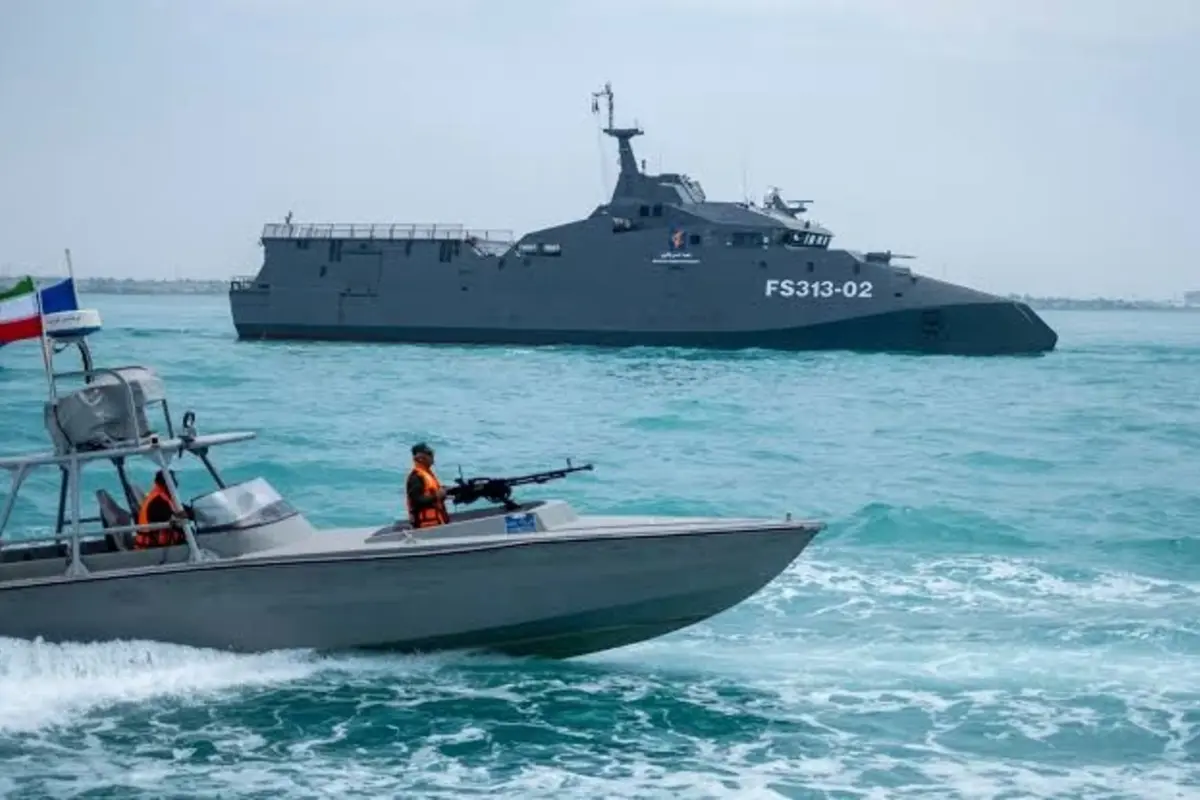
The US Air Force has lost 45 MQ-9 Reaper drones fighting Iran since February — roughly a quarter of the fleet it started the war with — in losses the Washington Post put at more than $1.3 billion, based on accounts from three US officials with access to Pentagon data.
The military had about 185 Reapers when the war began on February 28: 165 in the Air Force, 20 with the Marine Corps. None of the Marine Corps aircraft, deployed mainly in the Asia-Pacific, have been lost — the toll has fallen entirely on Air Force units flying over or near the Strait of Hormuz, where officials told the Post they were surprised by the accuracy of some Iranian attacks against the drones. A fourth official added an important caveat: not every loss came from enemy fire. Some Reapers crashed after losing their communications link with ground operators, a vulnerability inherent to any remotely piloted aircraft operating in contested electronic environments.
The Reaper’s exposure comes down to basic aerodynamics colliding with modern air defense. Built for endurance — it can fly roughly 30 hours on a single mission — the aircraft trades altitude and speed for that persistence, flying low and slow enough that it was originally designed for permissive environments like counterterrorism operations, not airspace defended by a state actor with functioning air defense systems. Iran’s concentration of defenses around the strait turned exactly the kind of chokepoint the Reaper is often tasked to monitor into the environment it’s least equipped to survive.
That vulnerability is prompting the Pentagon to move faster on a plan already in motion before the war: General Atomics stopped Reaper production in 2020, and the Pentagon isn’t expected to launch a formal successor program until later this year, aiming for cheaper, swarm-capable drones that spread risk across many low-cost airframes rather than concentrating it in a handful of $30-50 million aircraft. Ironically, the war’s losses have also revived interest in the opposite direction — the Senate Armed Services Committee has recommended restarting MQ-9 production, and Air Force Deputy Chief of Staff David Tabor told senators in June the service is looking at buying back Reapers from allied nations.
The drone losses sit inside a much larger inventory problem. The Post’s reporting cited more than half of US Patriot interceptors, 80% of THAAD interceptors and a third of Tomahawk cruise missiles expended since the war began — a depletion rate serious enough that Defense Secretary Pete Hegseth has estimated total war costs at $37.5 billion through September, not counting damaged US base reconstruction. Trump has requested $87.6 billion in supplemental funding from Congress and has publicly denied any missile shortage, even as an American Enterprise Institute analysis cited by the Post found current THAAD production capacity would take decades to replace what’s been used at existing output rates.
Whether the Pentagon’s pivot toward cheaper, distributed drone systems arrives fast enough to matter for this specific war, or simply shapes how the next one gets fought, is the question the Reaper’s battlefield record has now made unavoidable.
Catch all the World News, Breaking News Event and Trending News Updates on GTV News
Join Our Whatsapp Channel GTV Whatsapp Official Channel to get the Daily News Update & Follow us on Google News.
Must Read