Hormuz Environmental Crisis: Iran Warns Oil Pollution Could Cost Trillions


Iran strongly condemns continued Israeli violations in Lebanon, calls for global response
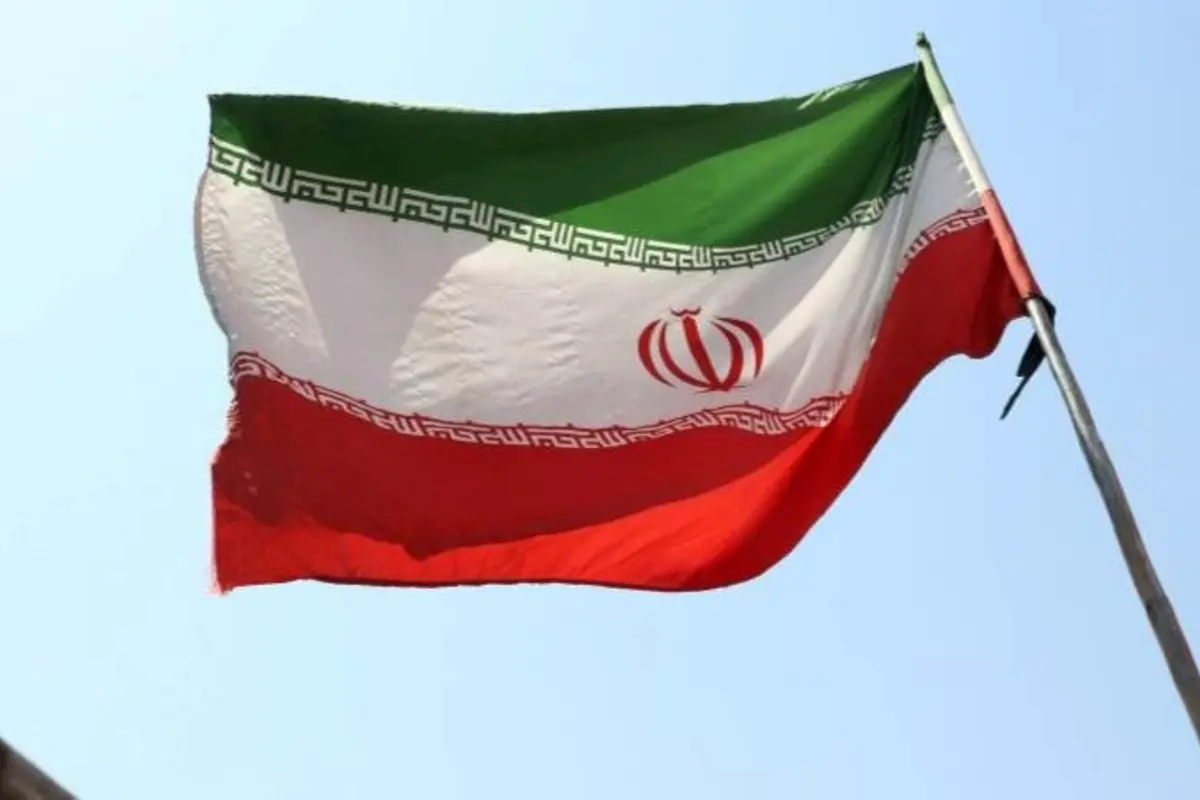
Iran is demanding trillions of dollars in compensation over oil pollution near the Strait of Hormuz and blaming a foreign vessel for the latest spill — but an independent shipping monitor says the slick traces back to an Iranian attack on a tanker, not an outside actor.
Foreign Ministry spokesman Esmaeil Baghaei posted footage on X of a thick oil slick along Qeshm Island’s coast, spreading from Soza beach through the Shib Deraz area to the Hara mangrove forests near Naqasheh village. He called it “one visible example” of pollution that has degraded the Persian Gulf and Sea of Oman for decades, estimating cumulative damage to Iran’s coastal areas in the trillions of dollars, and said “every party that benefits from commercial shipping” through Hormuz carries legal and moral responsibility to help fix it. Iran’s Environmental Protection Organisation chief, Sheena Ansari, went further, publicly asking whether responsibility falls on countries consuming the region’s energy exports or “the aggressors who have made this region a staging ground for military operations.”
The contradiction sits in the sourcing. Baghaei said “preliminary evidence” points to a foreign bulk carrier as the spill’s origin. TankerTrackers, a US-based vessel-monitoring service, offered a different account: the spill appears to stem from an Iranian strike on the bulk carrier Minoan Pioneer in Omani waters on August 3, with the resulting slick drifting across the strait to Iran’s own coastline. If accurate, that would mean the pollution Iran is demanding compensation for originated with an Iranian military strike rather than third-party negligence — a detail Iran’s public statements have not addressed.
The spill’s timing gives Tehran’s framing added weight regardless of its origin. Iran’s environmental officials said cleanup had largely cleared the visible slick by Wednesday evening, though monitoring continues, and Baghaei explicitly tied the compensation question to negotiations over the strait’s future management, saying environmental remediation “must be part of any future management arrangements for the Strait of Hormuz.” That links a seemingly narrow pollution incident directly to the broader, higher-stakes talks between Iran, Oman and Qatar over reopening the waterway to normal shipping — giving Iran a new bargaining chip in negotiations that were already centered on compensation demands.
The backdrop makes the claim harder to dismiss outright, whoever caused this specific spill. Qeshm’s Hara mangrove forests span an estimated 20,000 hectares and support significant marine biodiversity, and the Persian Gulf has absorbed decades of heavy tanker traffic, wartime damage and industrial discharge — genuine cumulative pressure on an ecosystem that predates the current conflict by years. The International Energy Agency has separately warned of a potential 4% drop in global oil supply tied to the broader Hormuz disruption, underscoring how much economic weight rides on whatever framework eventually governs the strait.
Whether Iran’s compensation demand gains traction will likely depend less on the environmental science than on who international shipping insurers and mediators conclude was actually responsible — a question TankerTrackers’ account leaves considerably more open than Baghaei’s statement suggests.
Catch all the World News, Breaking News Event and Trending News Updates on GTV News
Join Our Whatsapp Channel GTV Whatsapp Official Channel to get the Daily News Update & Follow us on Google News.
Must Read
Pakistan
Security Forces Kill Two Fitna al-Hindustan Terrorists in Balochistan Operation
17-August،2026