
Gulf Allies Grow Frustrated as Trump’s Iran Strategy Falters

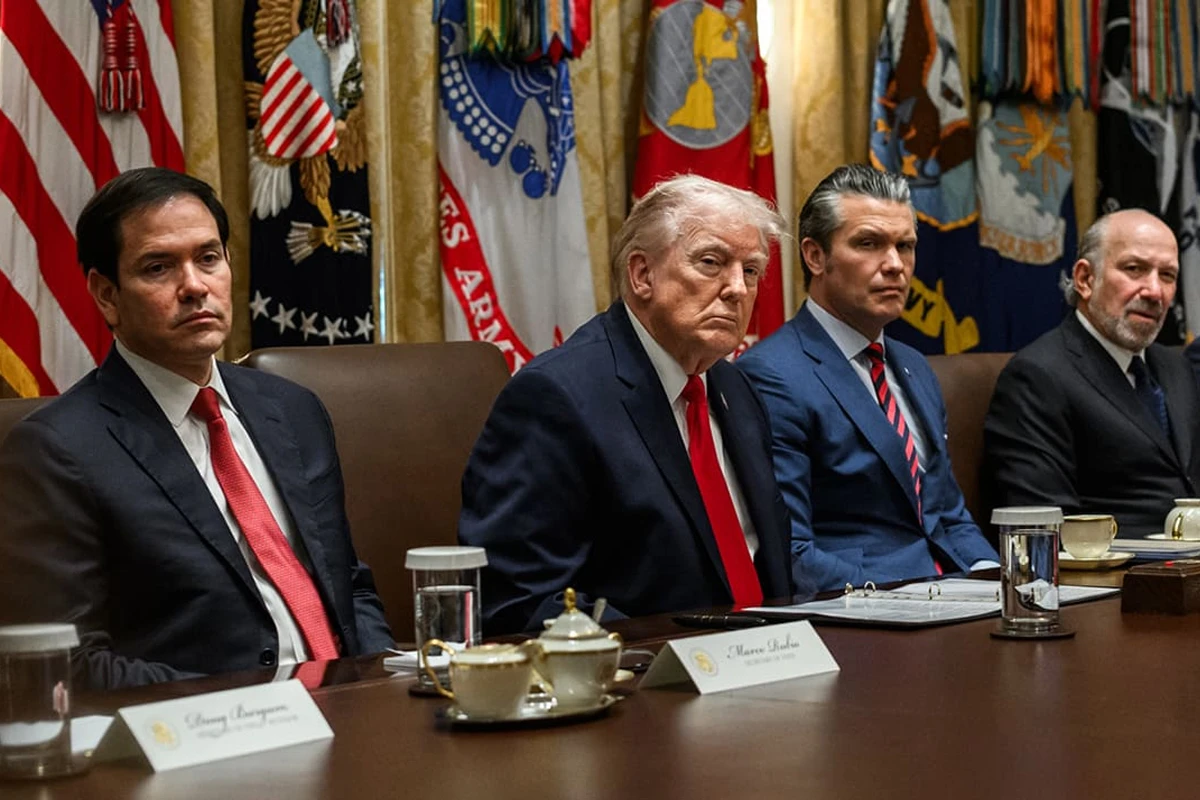
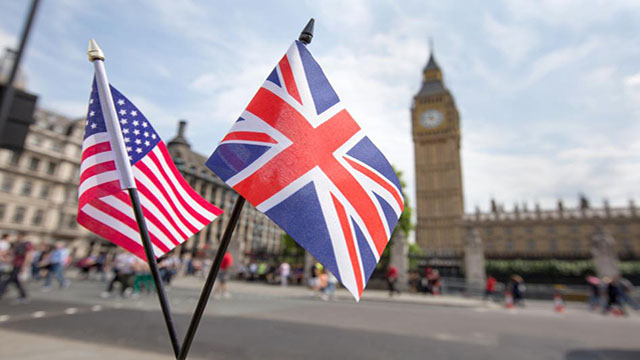
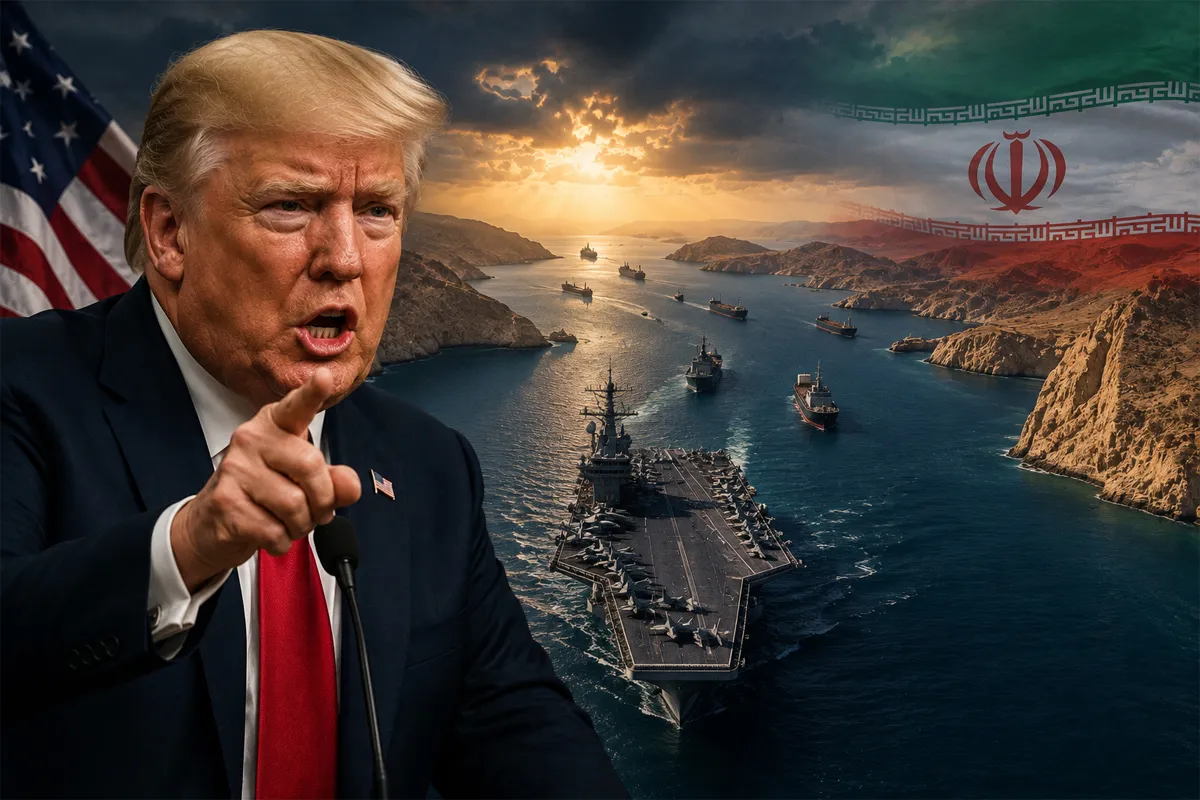
“Trump started this war, and we are paying the price.” That line, delivered anonymously to the Washington Post by a Gulf official, captures a shift the Post reports has been building for months: five of Washington’s closest Middle East partners are now openly questioning whether hosting American military bases still serves their interests.
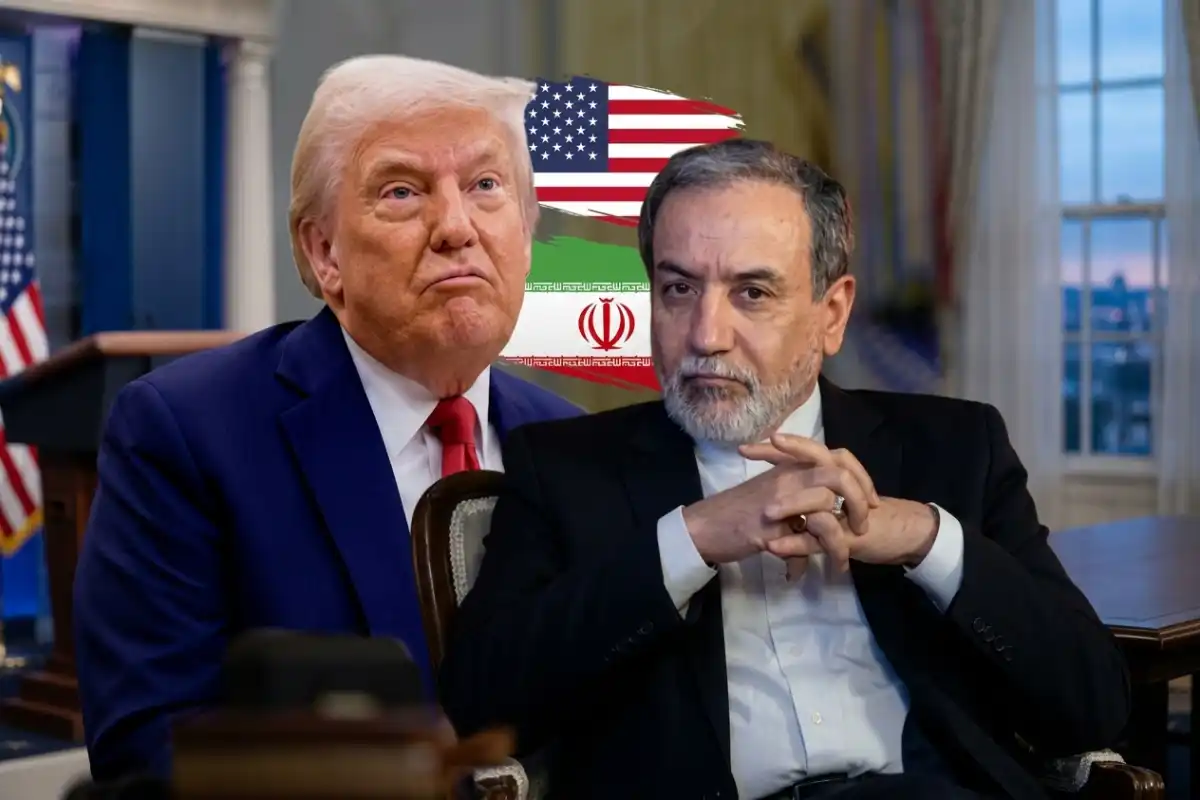
Saudi Arabia, the UAE, Qatar, Kuwait and Bahrain are, according to the Post’s reporting citing Arab and Western officials, united in frustration with the Trump administration after nearly six months of war with Iran that Washington has repeatedly signaled was close to ending, only to see talks stall again. One Gulf official said anger toward the US has reached its highest point since the February strikes that started the conflict. A White House official rejected the characterization, telling the Post Trump has “extraordinary relationships” with Gulf partners and that Washington has stayed in regular contact with allies throughout.
The specific complaint isn’t the war itself — it’s the whiplash. Gulf officials described a repeating cycle: Trump threatens escalation against Iran, then pulls back citing negotiating progress, only for talks to stall again days or weeks later. Kuwait University’s Bader Al-Saif, a fellow at the Arab Gulf States Institute in Washington, traced the erosion of confidence to the run-up to April’s first US-Iran talks, when it became clear Iran’s government wouldn’t collapse and the Strait of Hormuz wouldn’t reopen on Washington’s preferred timeline. He was blunt about June’s interim agreement: “The MOU was a joke” — one that never addressed Gulf states’ core concerns about Iran’s ballistic missile arsenal or its support for regional proxy forces, terms he said “were not terms of our liking.”
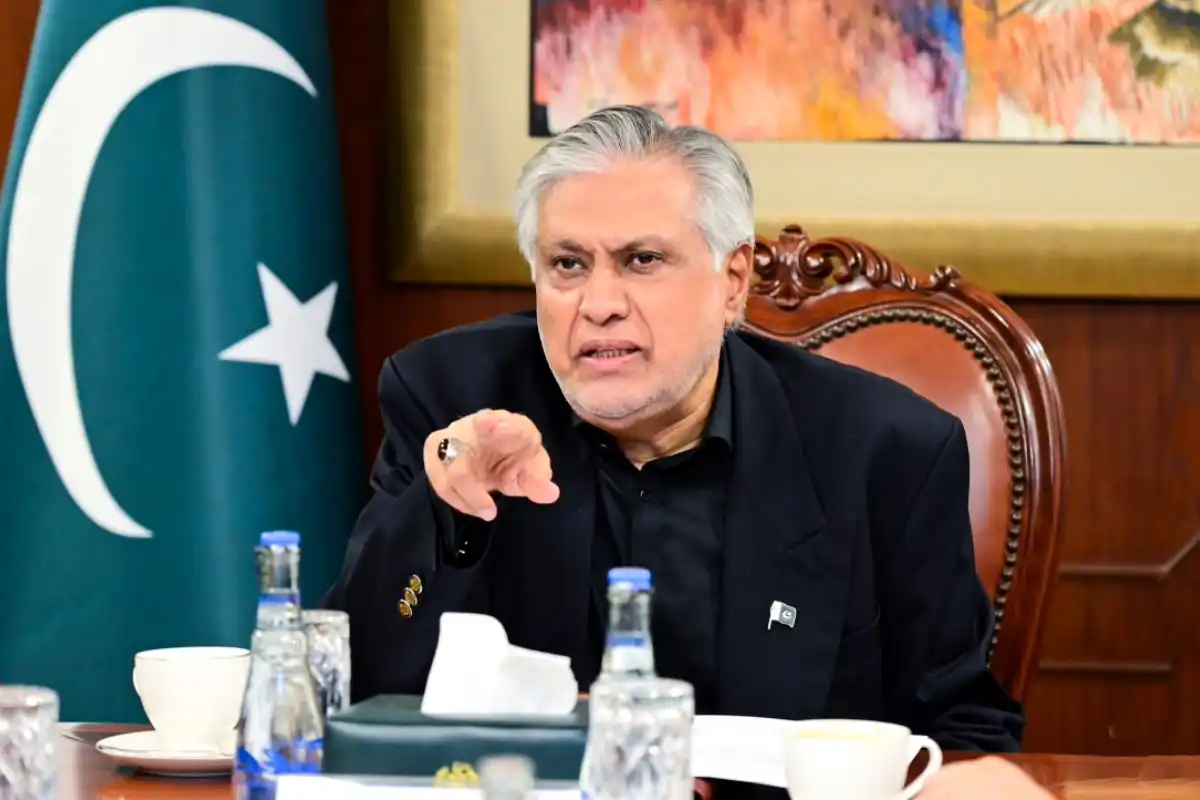
The clearest signal of where this frustration is heading arrived on paper August 7: the Mecca Joint Defence Agreement between Saudi Arabia, Turkey and Pakistan, treating an attack on any signatory as an attack on all three. A senior European official in regular contact with Gulf leaders told the Post the pact was “a signal to the US” that “three powerful Sunni Muslim states are trying to diversify their security and defense partnerships. In their mind, the US is not enough.” Trump publicly welcomed the same pact days later as a “big, bold” step — a reception that reads differently once the Post’s sourcing suggests the agreement was motivated, at least in part, as a hedge against Washington’s own reliability.
None of this points toward an imminent rupture. The Gulf states remain deeply dependent on US arms supplies and security guarantees, and analysts told the Post the current dynamics are unlikely to significantly reorder the region in the near term. Qatar and Bahrain continue hosting major US installations, and no government has taken concrete steps toward reducing that presence. What’s changed is that the question is now being asked openly rather than assumed away — with Gulf capitals reportedly beginning early-stage conversations about alternatives, even as they keep signing arms deals and hosting the bases the Mecca pact was meant to hedge against.
Catch all the World News, Breaking News Event and Trending News Updates on GTV News
Join Our Whatsapp Channel GTV Whatsapp Official Channel to get the Daily News Update & Follow us on Google News.
Must Read
World
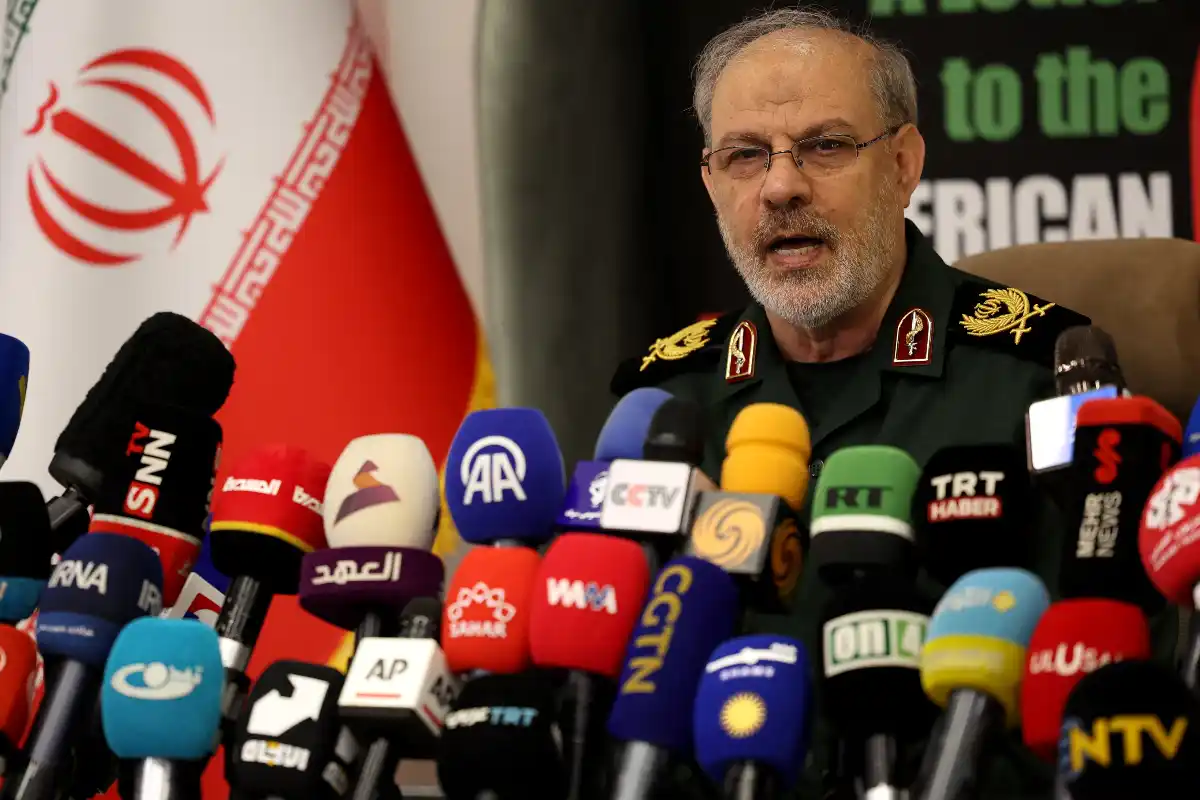
Iranian Guards Official Calls Trump a ‘big liar’ Over Nuclear Claims and Hormuz
29-September،2026
Pakistan
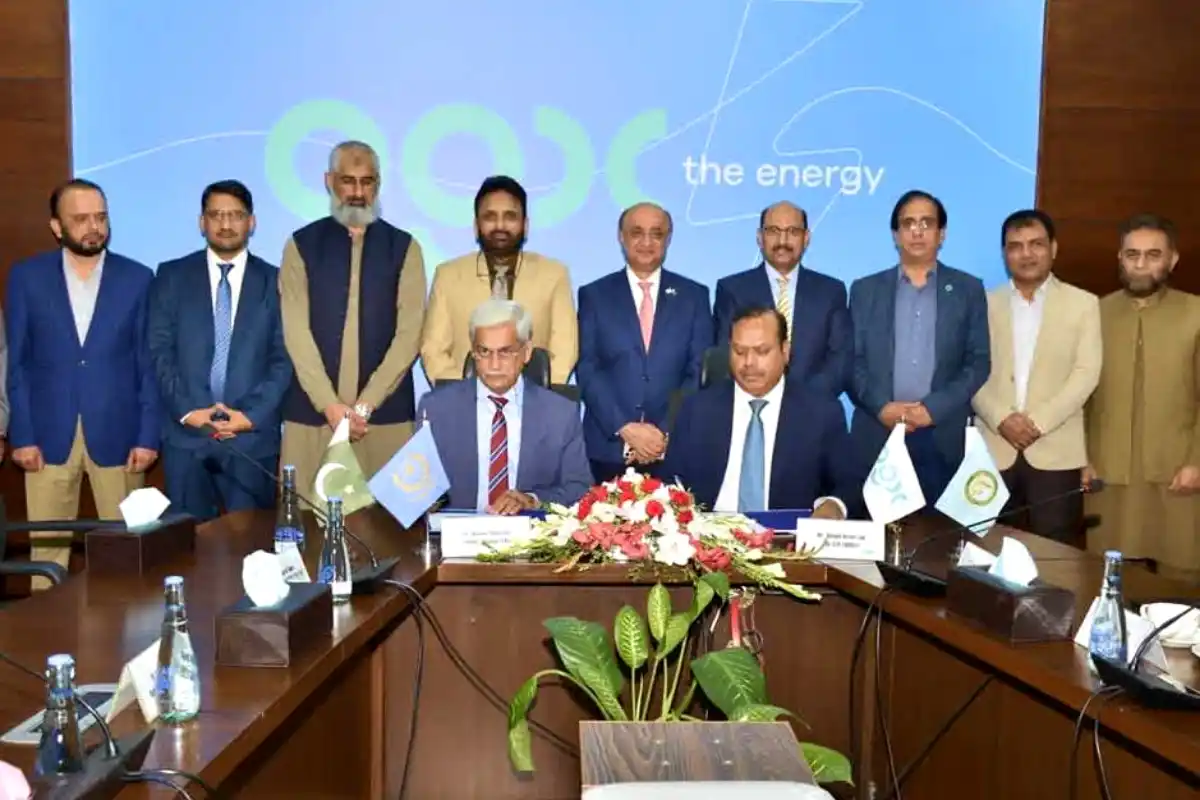
OGDCL, PINSTECH sign agreement to assess lithium, rare earth potential in produced water
29-September،2026