Trump Hails Saudi-Turkey-Pakistan Pact as ‘Big, Bold’ Step

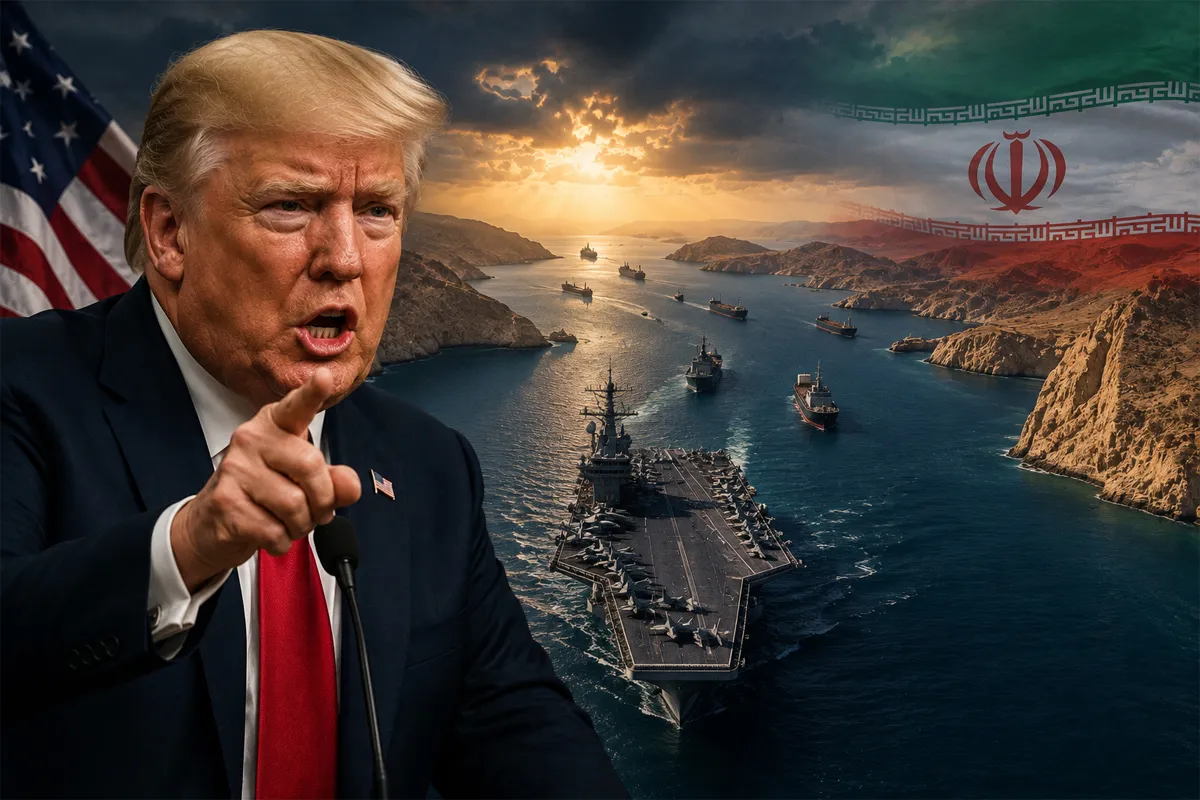
Trump Aides Seek to Keep Iran War ‘Quiet’ Until November Midterms
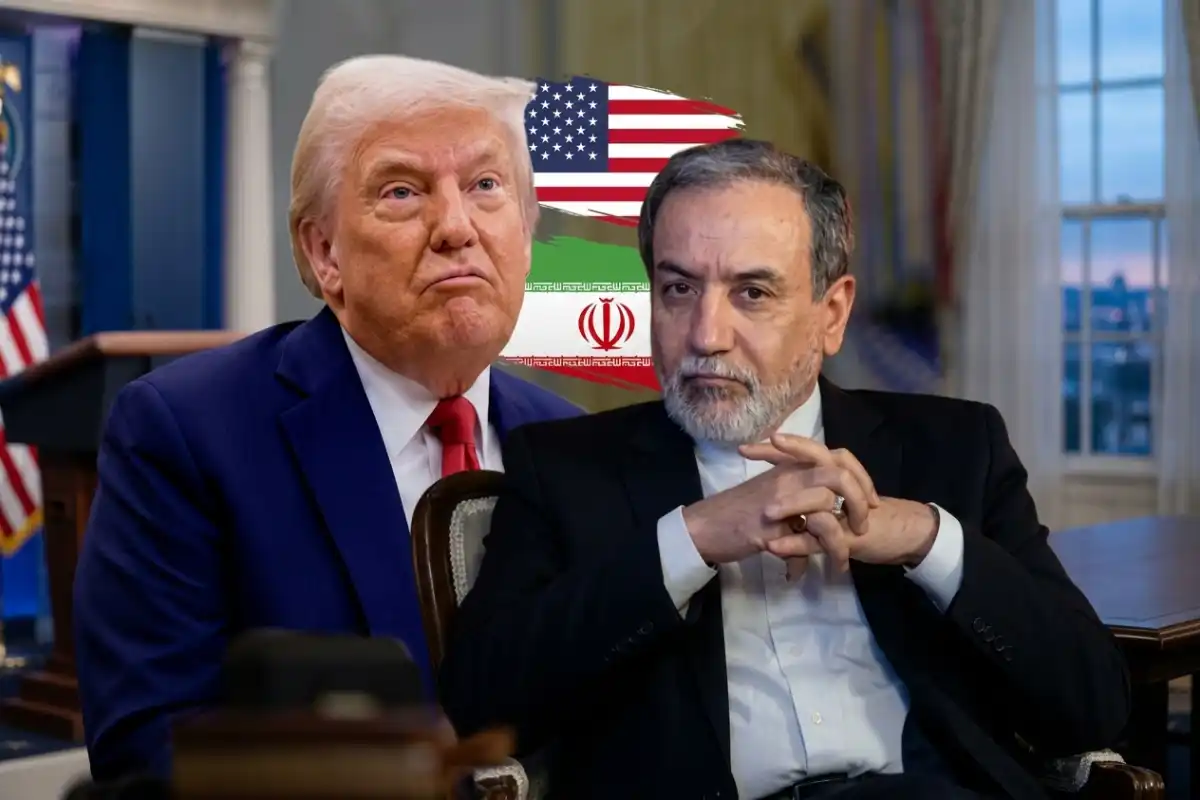
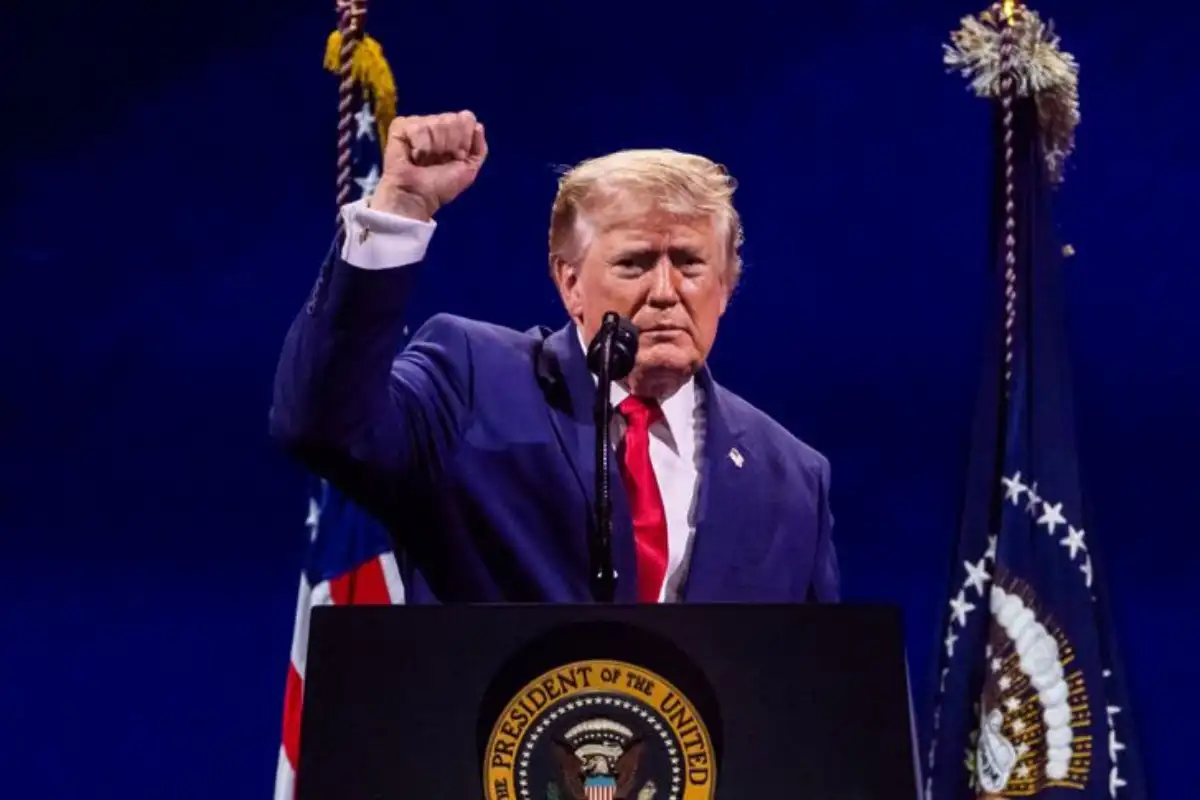
President Trump gave his public blessing Sunday to a new mutual-defense pact between Saudi Arabia, Turkey and Pakistan, calling it a “big, bold, and important first step” — an endorsement that matters less for its enthusiasm than for what it signals about Washington’s comfort with three allies formalizing a collective-defense arrangement that functions, in practice, much like NATO’s Article 5.
Trump’s Truth Social post praised the countries for showing the Middle East is “coming together” and for moving toward defending themselves “in a more meaningful way,” language that frames the pact as regional burden-sharing rather than a challenge to US influence — a framing Washington has generally welcomed as it looks for allies to shoulder more of their own security costs. The pact itself, signed August 7 in Mecca by Saudi Crown Prince Mohammed bin Salman, Turkish President Recep Tayyip Erdogan and Pakistani Prime Minister Shehbaz Sharif, states that an armed attack on any one signatory will be treated as an attack on all three.
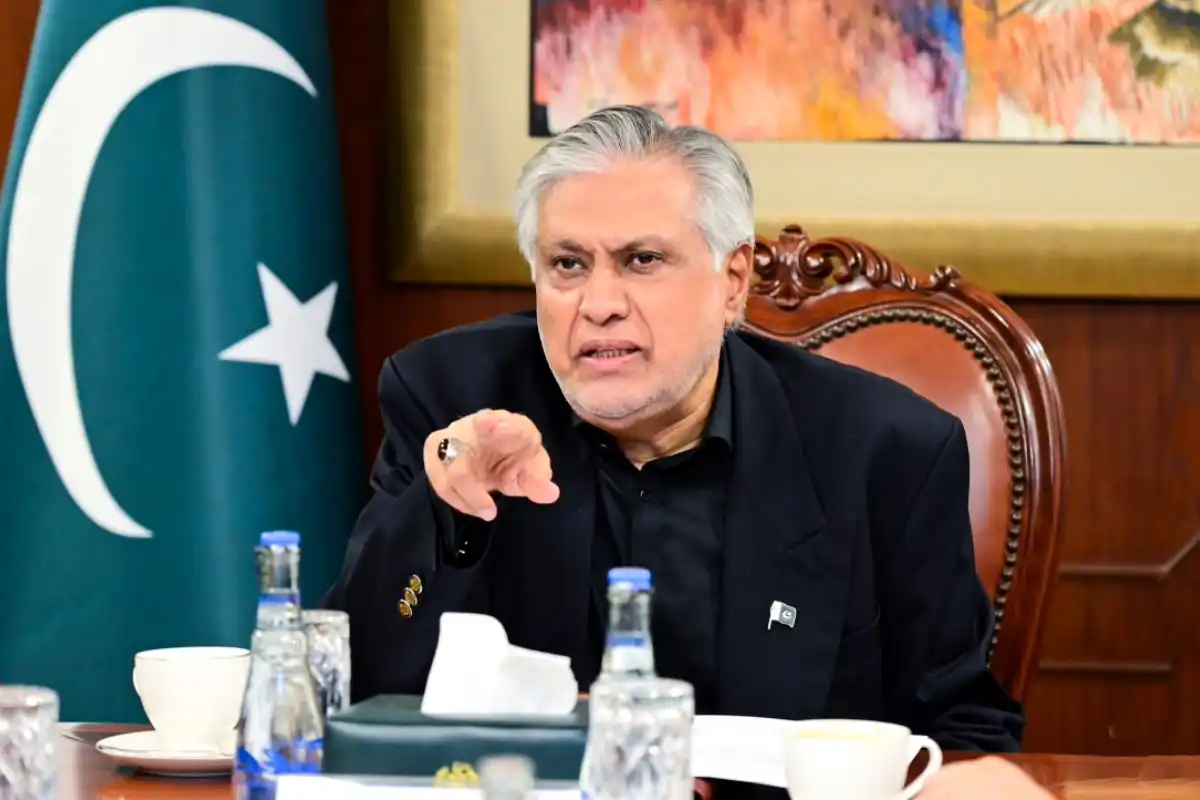
Pakistani officials have been careful to frame the agreement narrowly. Foreign Minister Ishaq Dar called it “purely defensive” and said it doesn’t replace existing bilateral arrangements, while Prime Minister Sharif told his own cabinet the pact is not intended for aggression against any country and exists solely for regional peace and stability. Saudi officials have echoed that line: Deputy Minister for Public Diplomacy Rayed Krimly said the agreement isn’t meant to build a military axis, a religious bloc, or anything tied to nuclear ambitions — a notable disclaimer given Pakistan’s status as a nuclear power and recurring speculation about Saudi nuclear-sharing arrangements.
The agreement builds on relationships that predate it substantially. Pakistan and Saudi Arabia signed a Strategic Mutual Defence Agreement in September 2025, and Islamabad and Ankara have maintained defense cooperation for decades; Sharif described years of effort finally materializing in Mecca. What’s new is the trilateral, formalized structure — Turkey has said the three countries plan joint political-military coordination mechanisms and joint exercises, and Erdogan has floated Egypt as a possible future member, though analysts at Chatham House note Cairo’s existing defense commitments to Greece and Cyprus complicate that prospect.
Regional reaction has been notably mixed. India said it’s “examining the implications” of the pact for its own national security, a carefully neutral phrase that understates the unease some New Delhi-aligned voices have expressed more directly — a former UK minister was quoted warning the arrangement should concern Washington given the possibility of Pakistan invoking mutual defense obligations in an India-related crisis. Atlantic Council South Asia fellow Michael Kugelman offered a more measured read, noting Pakistan can point to the pact as evidence of its broader regional utility to Washington, useful leverage whether its Iran-US mediating role winds down successfully or the war reignites and Islamabad faces criticism either way.
The pact’s practical test will come well before any Article 5-style scenario arises: whether the joint coordination mechanisms Turkey has described actually stand up amid a region where Iran’s war with the US, Gulf shipping disruptions and Houthi attacks are already straining every existing security arrangement at once.
Catch all the World News, Breaking News Event and Trending News Updates on GTV News
Join Our Whatsapp Channel GTV Whatsapp Official Channel to get the Daily News Update & Follow us on Google News.
Must Read
World
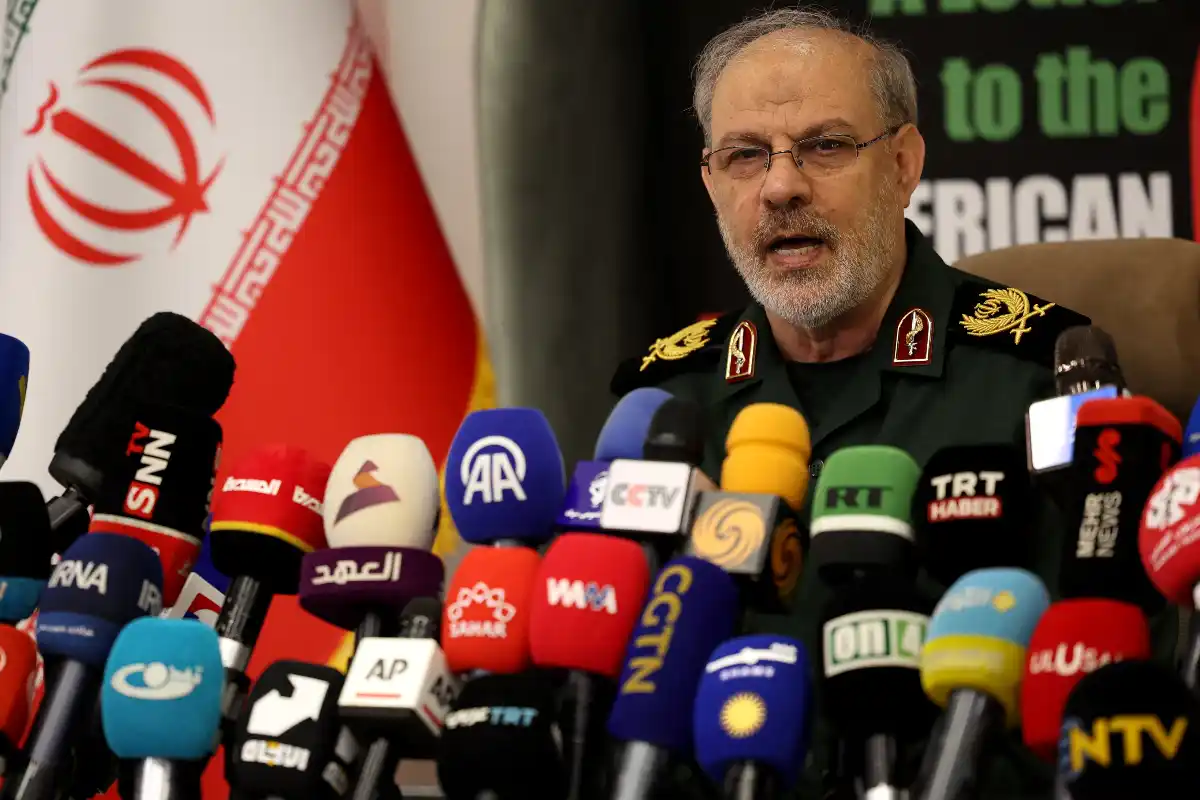
Iranian Guards Official Calls Trump a ‘big liar’ Over Nuclear Claims and Hormuz
29-September،2026
Pakistan
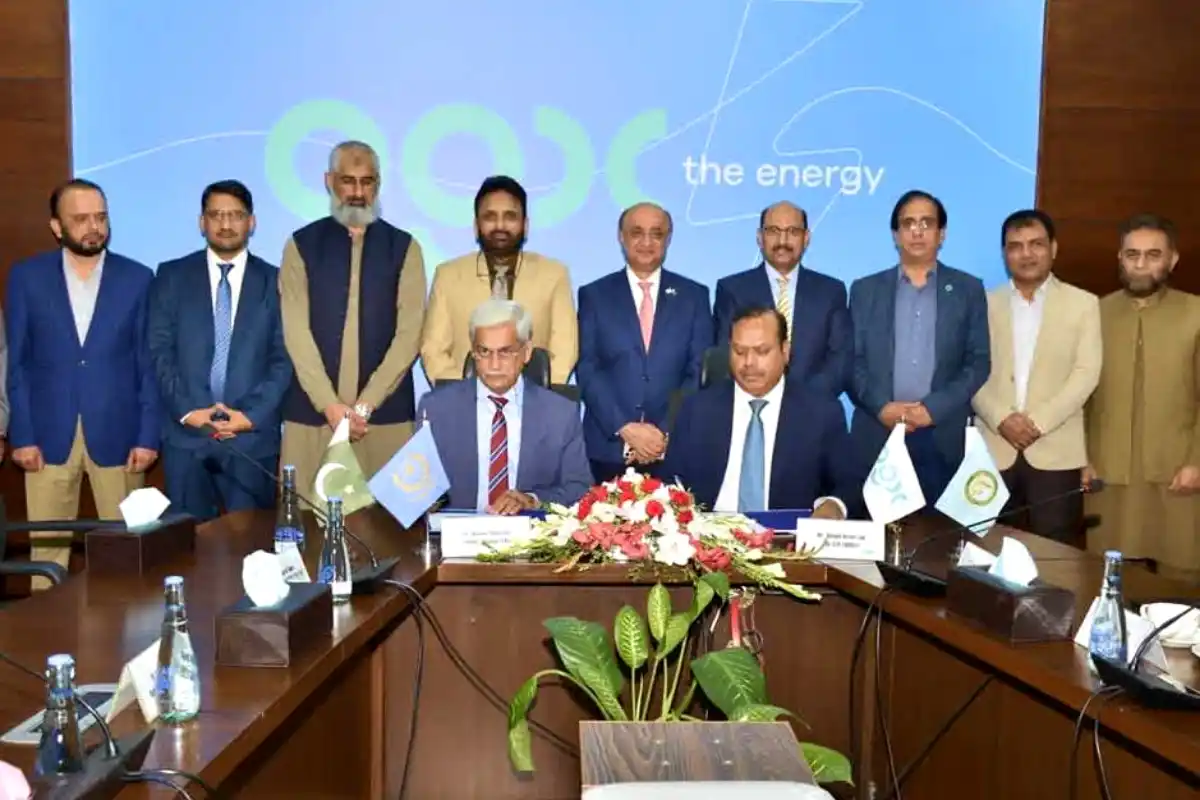
OGDCL, PINSTECH sign agreement to assess lithium, rare earth potential in produced water
29-September،2026