
International Day of Rural Women: Education, Inclusion, and the Philosophy of Human Dignity

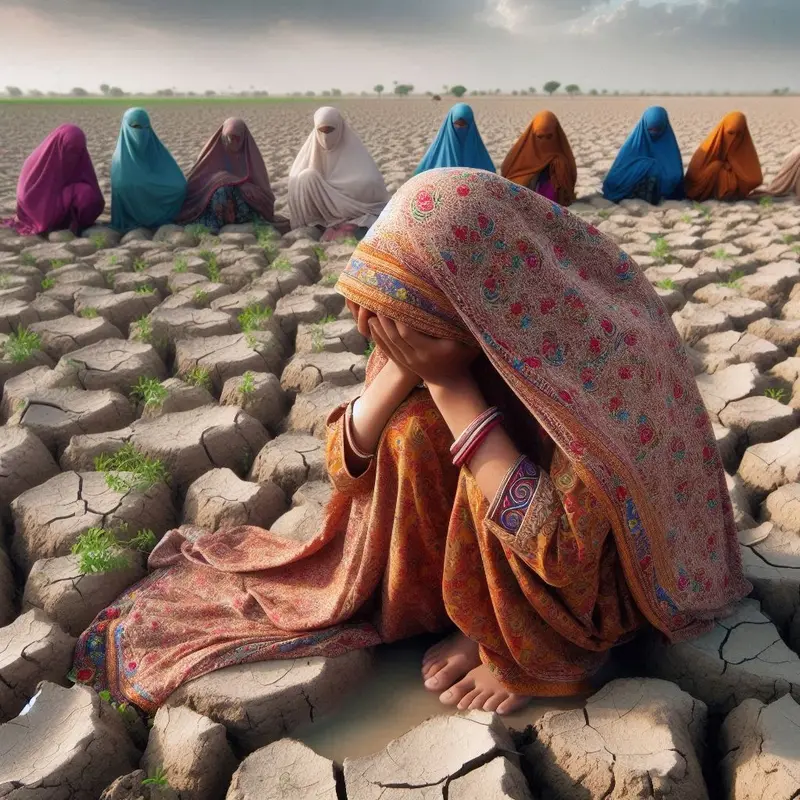
The International Day of Rural Women, observed annually on 15 October, is an opportunity to recognise the indispensable contributions of rural women to agriculture, food security, education, cultural preservation, and community development. Rural women sustain families, cultivate fields, preserve traditional knowledge, and support local economies, yet their labour often remains underpaid, unrecognised, and excluded from decision-making. Their significance extends far beyond agricultural production: they are agents of social transformation whose empowerment can reshape the economic, political, educational, and cultural foundations of society. The international community must therefore move beyond symbolic celebrations and recognise rural women as equal citizens, knowledge producers, economic contributors, and leaders of sustainable development.
Rural women’s empowerment is fundamentally an academic and intellectual question because education determines who has access to knowledge, who produces it, and whose experiences are recognised as valuable. In many developing countries, rural girls face obstacles including poverty, inadequate schools, long travelling distances, early marriage, domestic responsibilities, and restrictive social expectations. These barriers limit not only their individual opportunities but also the intellectual development of entire communities. Education must consequently be understood as more than literacy; it includes scientific reasoning, agricultural innovation, digital competence, financial awareness, political understanding, and the capacity to challenge injustice. A rural woman who learns to manage accounts, access agricultural information, understand her legal rights, or communicate through digital platforms gains practical tools to exercise greater control over her future.
From a philosophical perspective, the condition of rural women raises a fundamental question: can a society genuinely claim to be developed when half its population is denied equal opportunities to think, learn, own property, and participate in public life? The principles of human dignity, freedom, equality, and justice demand that women should not be treated merely as instruments of family survival or agricultural productivity. Their worth exists independently of the economic benefits they provide. Amartya Sen’s capability approach offers a useful framework for understanding this challenge: development should expand people’s substantive freedoms to make choices and live lives they have reason to value. Similarly, Paulo Freire’s philosophy of critical education encourages people to recognise the social structures shaping their circumstances and to become active participants in changing them. Applied to rural communities, these perspectives suggest that empowerment requires both access to resources and the freedom to question discriminatory traditions.
The social role of rural women is equally important because they often occupy the centre of community life while remaining at its margins in formal institutions. They care for children and older relatives, preserve languages and cultural practices, organise informal support networks, and transmit agricultural and environmental knowledge across generations. However, unpaid care work can consume the time required for education, paid employment, political participation, and personal development. Social inclusion must therefore involve a redistribution of responsibilities within households and communities. Men should participate equally in childcare, domestic work, and family responsibilities, while local institutions should provide childcare facilities, safe transport, healthcare, and accessible adult education. Recognising care as socially valuable work is essential to building a fairer division of labour and enabling rural women to participate beyond the household.
In Mexico, rural women demonstrate how community knowledge, agricultural livelihoods, and collective organisation can contribute to inclusive development. Indigenous women and women farmers have important roles in preserving traditional crops, including native maize varieties, protecting biodiversity, and sustaining local food cultures. Women’s agricultural cooperatives and community enterprises can help producers share equipment, improve the processing and marketing of food, and negotiate better prices. Yet indigenous identity, poverty, language barriers, unequal land rights, and limited access to credit may compound the disadvantages women experience. Inclusive rural development should therefore support bilingual education, secure land tenure, agricultural extension services, cooperative ownership, and women’s participation in local councils. These measures can help ensure that development strengthens indigenous communities without excluding women from control over the resources and knowledge they sustain.
Venezuela provides another perspective on the relationship between rural livelihoods, food security, and women’s participation. In communities affected by economic instability, agricultural challenges, and migration, women frequently shoulder substantial responsibility for obtaining food, caring for dependants, and maintaining household livelihoods. Their experience can make them important contributors to community food programmes, local production initiatives, and cooperative networks. However, women cannot be expected to compensate indefinitely for inadequate public services or economic hardship through unpaid labour. Meaningful inclusion requires dependable access to agricultural inputs, markets, healthcare, education, and financial services. Women’s community participation must also be accompanied by the right to influence budgets and development priorities. Their resilience deserves recognition, but resilience should never become an excuse for governments to transfer public responsibilities onto women.
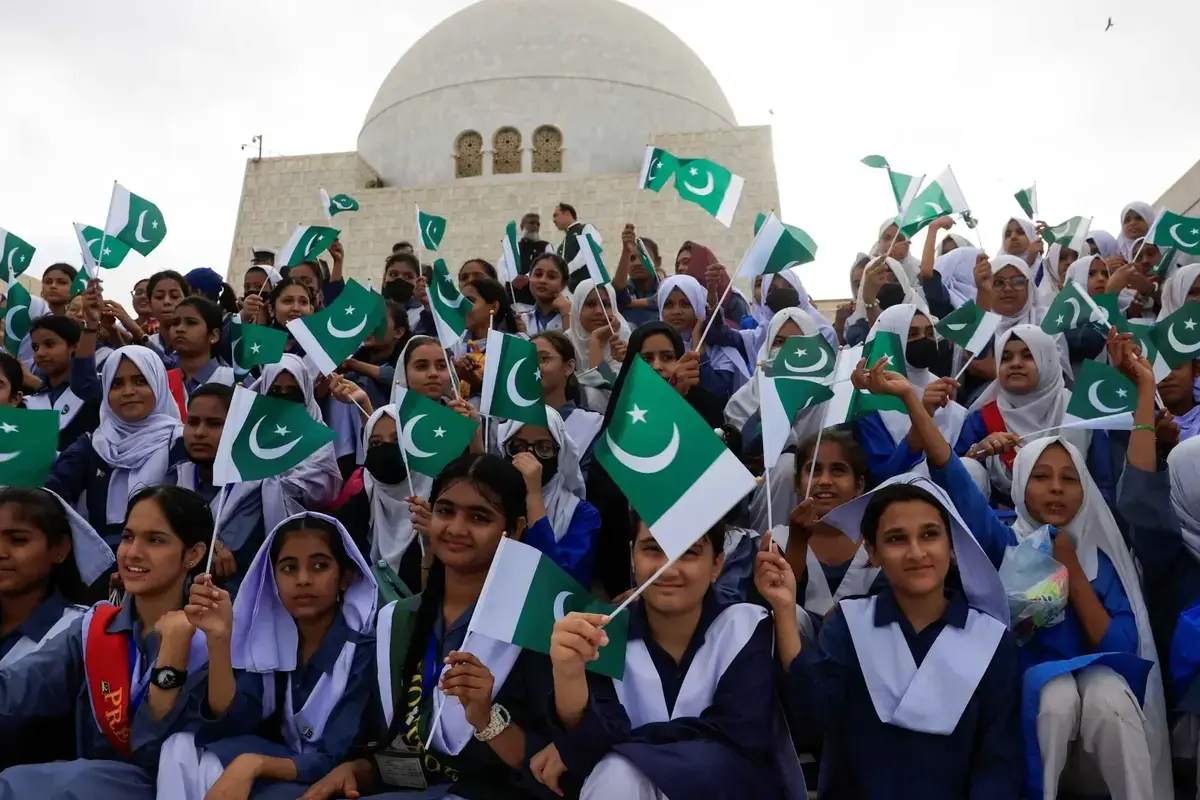
In interior Sindh, Pakistan, the question of rural women’s empowerment is inseparable from unequal access to education, land, healthcare, and political representation. Many women in remote and economically disadvantaged communities confront overlapping barriers, including poverty, inadequate school facilities, long distances to educational institutions, restrictive gender norms, early marriage, and limited opportunities for independent employment. In some communities, entrenched feudal hierarchies and patriarchal authority can operate as forms of social tyranny, controlling women’s mobility, labour, educational choices, inheritance, and participation in public life. Where powerful landlords, local elites, or family authorities determine who may attend school, access public resources, or exercise basic rights, citizenship becomes unequal in practice. These conditions must be examined critically without treating every rural community or traditional institution as identical. The central issue is not rural culture itself, but the concentration of power that denies women autonomy, legal protection, and meaningful choices.
Education in interior Sindh must consequently be treated as a democratic right rather than a privilege dependent on family approval or local power structures. Governments should strengthen girls’ schools, recruit and train women teachers, provide safe transport, establish adult literacy centres, and expand scholarships for students from low-income households. Where distance and domestic responsibilities prevent regular attendance, community learning centres and carefully designed flexible programmes can provide alternatives without compromising educational quality. Sindhi-language teaching, alongside opportunities to learn Urdu, English, mathematics, science, and digital skills, can connect local identity with wider educational and economic opportunities. Civil society organisations, universities, and local governments can also establish mentorship programmes linking rural girls with women professionals, teachers, entrepreneurs, and public representatives. Most importantly, school attendance must be accompanied by protection against harassment, discrimination, forced marriage, and other practices that interrupt education.
Bulgaria offers a useful European comparison, demonstrating that rural women’s challenges are not confined to developing countries. Rural communities across parts of Europe face population decline, ageing populations, the migration of younger people to cities, and unequal access to healthcare, education, transport, and employment. Women may play central roles in family farms, small businesses, food production, and community care while confronting limited career opportunities and a disproportionate burden of unpaid work. Rural development policies can respond through broadband connectivity, vocational education, support for women-led enterprises, accessible childcare, and investment in local services. Women’s cooperatives, community tourism, traditional food businesses, and the preservation of local crafts can create employment while sustaining cultural heritage. The Bulgarian example illustrates that rural inclusion is not simply a question of national wealth; even relatively developed countries must ensure that geography does not determine a woman’s access to opportunity, public services, and economic independence.
Across less developed countries, rural women’s exclusion is reinforced by interconnected disadvantages: limited schooling, inadequate healthcare, insecure land rights, restricted credit, weak infrastructure, environmental degradation, and insufficient political representation. Climate change intensifies these problems because droughts, floods, soil degradation, and unpredictable rainfall threaten agricultural livelihoods and increase the time needed to obtain water and fuel. Women who depend on natural resources often possess valuable knowledge of local ecosystems, seed preservation, soil management, and food storage, but their expertise may be overlooked in formal planning. Governments and development agencies should include women in climate adaptation committees, disaster preparedness programmes, water management bodies, and agricultural research. They should also ensure that climate finance reaches women-led initiatives rather than assuming that household-level assistance automatically benefits every household member. Inclusive climate policy recognises rural women not merely as vulnerable recipients of aid but as knowledgeable participants in designing solutions.
Economic empowerment must be accompanied by political inclusion because access to income alone cannot overcome every form of structural inequality. Rural women need meaningful representation in village councils, local government, agricultural associations, school committees, cooperatives, and national policymaking institutions. Their participation must go beyond ceremonial appointments or attendance at meetings where decisions have already been made. Women should have access to relevant information, opportunities to speak without intimidation, transparent voting procedures, and the authority to influence public spending and development priorities. Governments should enforce laws against gender-based violence, discrimination, and the denial of property rights, while providing accessible legal assistance to women who cannot afford lawyers or travel to distant courts. In settings where local hierarchies discourage women from asserting their rights, independent oversight and confidential complaint mechanisms are especially important. Democracy becomes meaningful when rural women can exercise citizenship without fear of retaliation.
Digital inclusion provides another pathway towards educational and economic participation. Mobile technology can connect rural women with distance learning, weather forecasts, agricultural advice, telehealth services, banking, market prices, and government assistance programmes. However, access to a mobile phone does not automatically create digital independence. Women may lack reliable internet connections, electricity, digital literacy, privacy, or control over devices and financial accounts. Programmes must therefore combine affordable connectivity with practical training, local-language content, accessible technical support, and safeguards against online harassment and fraud. Schools, libraries, community centres, and women’s organisations can serve as shared digital learning spaces. Rural girls should be encouraged to study science, technology, engineering, mathematics, and entrepreneurship, while adult learners should be offered opportunities to acquire skills at different stages of life. Technology becomes inclusive when women can use it independently to expand their choices rather than simply receive information selected by others.
The future of rural development also depends on changing how knowledge is produced and whose experiences count as evidence. Policies based solely on household statistics can conceal inequalities within families: a household may legally own land while a woman has no authority over its use, or family income may finance agricultural machinery that she has neither been trained nor permitted to operate. Researchers should therefore collect sex-disaggregated data on land ownership, income, working hours, access to credit, decision-making power, educational participation, and unpaid care. They should also recognise differences among women according to age, disability, ethnicity, marital status, class, and geographical location. Participatory research, community consultations, focus groups, and locally led evaluations can reveal barriers that conventional surveys overlook. Universities and research institutions should collaborate with rural women as research partners, not merely as subjects of investigation. This approach strengthens the quality of evidence and ensures that public policy responds to women’s actual circumstances.
Ultimately, the International Day of Rural Women should inspire a transformation in how societies understand development, power, and human possibility. Rural women must be recognised as educators, farmers, environmental stewards, entrepreneurs, researchers, cultural custodians, and political actors with equal rights to shape their communities. From indigenous agricultural communities in Mexico and food-security initiatives in Venezuela to the struggles for education and autonomy in interior Sindh, agricultural livelihoods in Punjab, and rural revitalisation in Bulgaria, the lesson is that sustainable progress requires institutions that expand women’s freedoms and redistribute opportunities fairly. Governments must invest in education, healthcare, land rights, decent work, digital access, social protection, and women’s leadership; communities must challenge discriminatory practices; and international organisations must ensure that commitments translate into measurable improvements. A society cannot achieve food security while denying women control over food production, nor can it achieve social justice while excluding them from knowledge and power. On 15 October, the world should celebrate rural women’s contributions by defending their dignity, expanding their choices, and ensuring that they participate as equal partners in cultivating a more just, educated, inclusive, and sustainable future for all.
The history of women’s leadership also offers inspiring examples of courage, public service, and the struggle for human dignity. Figures such as Dela Cruz, whose specific historical contributions should be identified according to the individual being referenced, can be discussed alongside Mother Teresa, Fatima Jinnah, and Sirimavo Bandaranaike as examples of women’s capacity to challenge social expectations and influence public life. Mother Teresa devoted her life to caring for impoverished and vulnerable people, bringing international attention to the responsibilities of compassion and humanitarian service. Fatima Jinnah, a prominent figure in the Pakistan Movement, demonstrated political courage and advocated women’s participation in the struggle for national development, later becoming an important voice for democratic rights. Sirimavo Bandaranaike of Sri Lanka, the world’s first woman prime minister, broke a major political barrier and demonstrated that women could occupy the highest levels of governmental leadership. These examples offer an important lesson for rural girls in interior Sindh, Punjab, and other underserved communities: leadership is not determined by gender, birthplace, or social status, but by the opportunities people receive and the courage with which they use them. Their legacies can inspire rural women to pursue education, defend their rights, serve their communities, and participate in public decision-making while building a future in which girls are encouraged to become leaders rather than confined by inherited expectations.
Catch all the Blogs News, Breaking News Event and Trending News Updates on GTV News
Join Our Whatsapp Channel GTV Whatsapp Official Channel to get the Daily News Update & Follow us on Google News.
Must Read