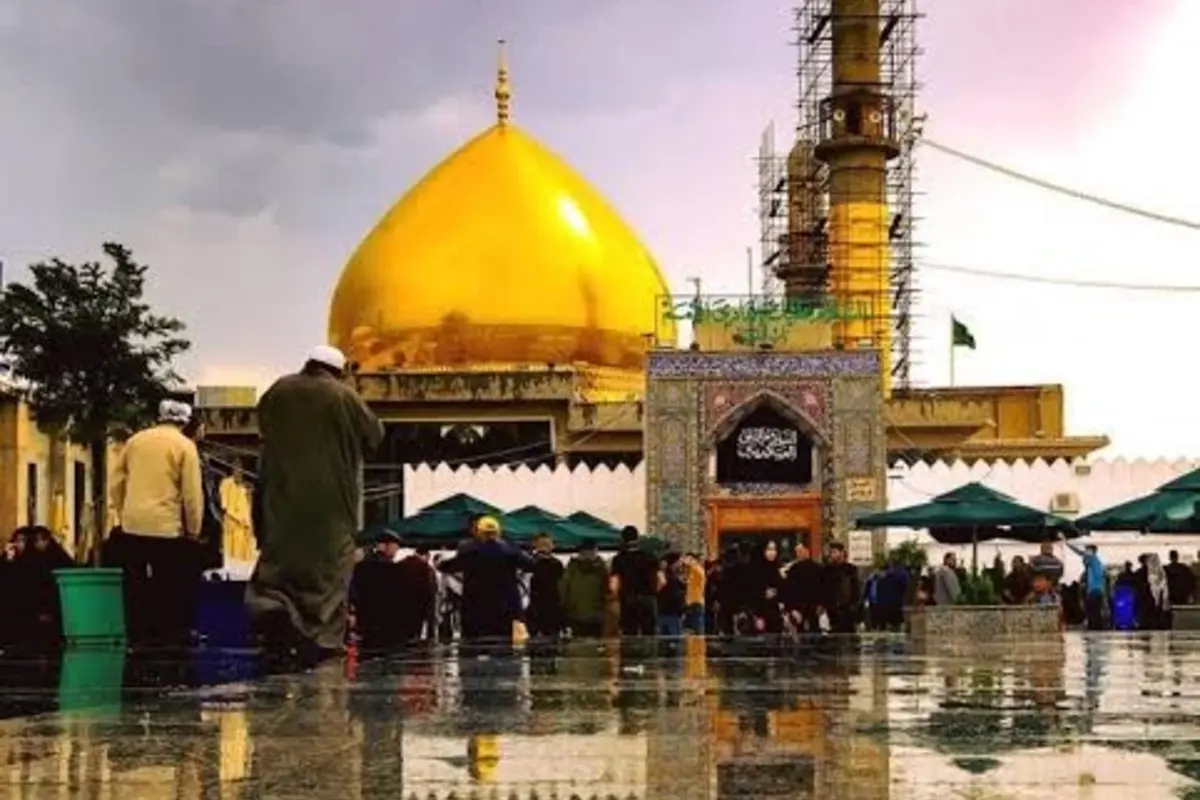

Sachal Sarmast: A Mystic Poet of Freedom, Love, and Intellectual Rebellion

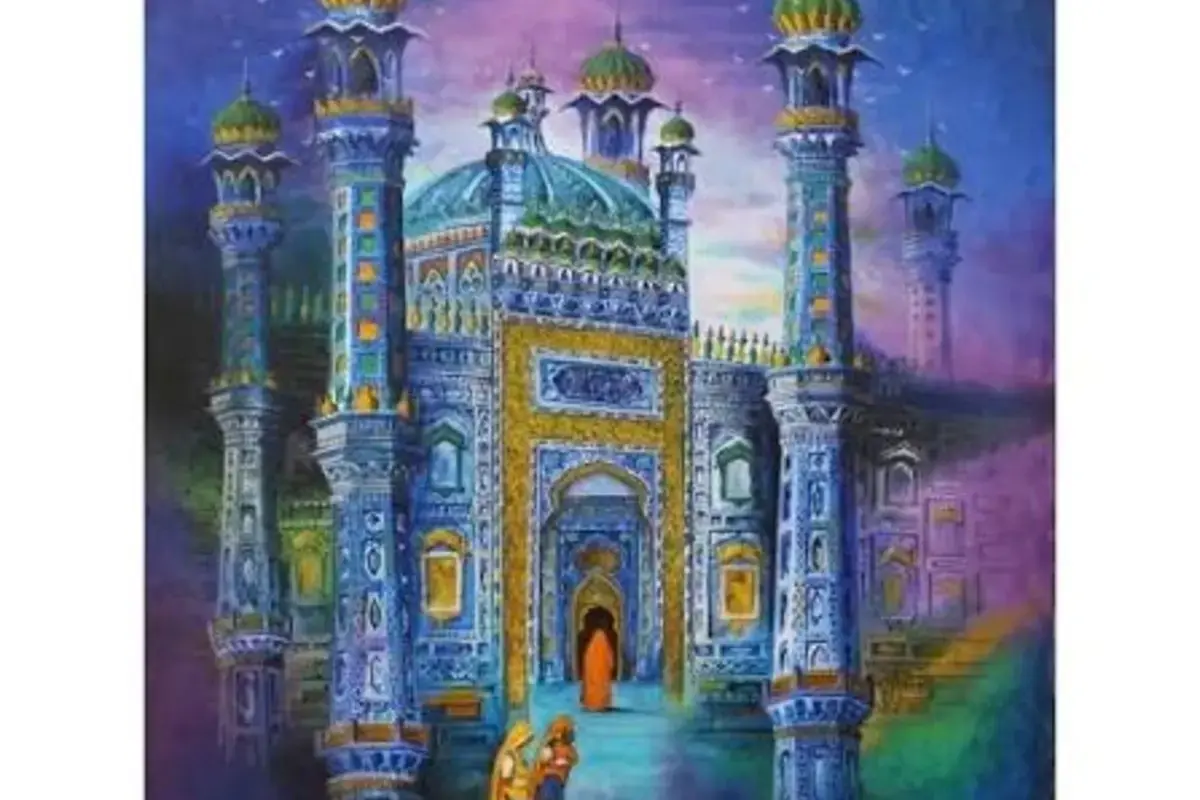
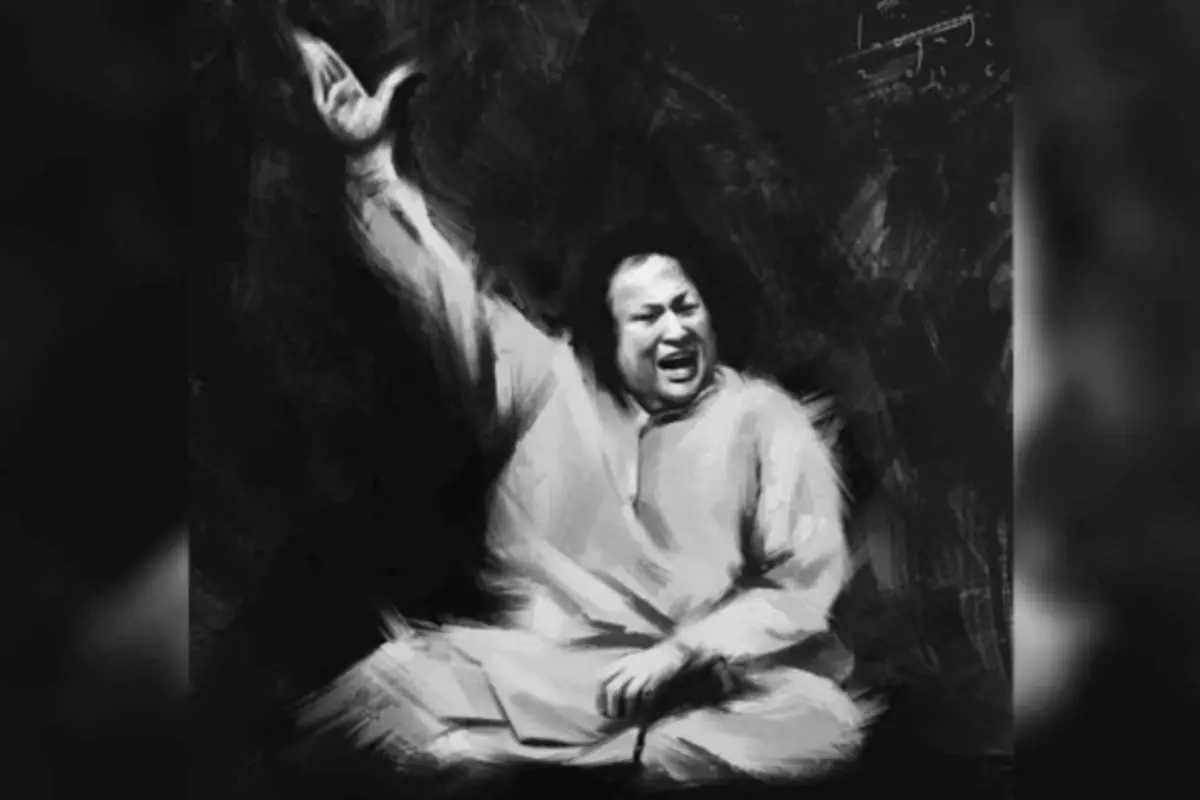
Sachal Sarmast is more than a historical Sufi poet; he is a voice of intellectual freedom, spiritual courage, and human dignity whose message deserves to reach Generation Z and Generation Alpha. Born as Mian Abdul Wahab Farooqi in Daraza, near Khairpur, around 1739, Sachal lived in a period of political transition, social inequality, and religious orthodoxy. Yet his poetry transcended the limitations of his time by addressing questions that remain deeply relevant to younger generations: Who are we beyond the identities society assigns us? What does it mean to live truthfully? Why should human beings hate one another in the name of religion, status, or difference? In an age shaped by social media, artificial intelligence, political polarization, and the constant pressure to conform, Sachal offers a different model of intellectual life. He encourages young people to question superficial appearances, discover their inner selves, and pursue truth with courage. Introducing Sachal to younger generations is not simply an exercise in preserving cultural heritage; it is an opportunity to reconnect them with a philosophical tradition that values independent thought, compassion, and the freedom to explore the deepest questions of human existence.
For Generation Z and Generation Alpha, Sachal’s philosophy of self-discovery carries particular importance. Young people today are constantly exposed to external judgments about beauty, success, wealth, popularity, and social status. Digital platforms often encourage individuals to measure their worth through followers, likes, rankings, and public approval. Sachal’s mystical worldview invites them to look beyond these temporary measures and investigate the nature of the self. His poetry explores the relationship between the human ego, spiritual awareness, and the search for ultimate truth. Through the lens of Sufi philosophy, the individual must confront pride, fear, selfishness, and the illusion that identity can be reduced to external recognition. This message resonates with young people searching for meaning in a world of endless comparison. Sachal teaches that genuine strength does not emerge from dominating others or displaying superiority, but from understanding oneself and overcoming the limitations of the ego. For younger generations, his poetry can become an invitation to build identities grounded in knowledge, moral courage, creativity, and self-awareness rather than the unstable approval of the digital crowd.
One of Sachal’s most powerful intellectual connections is with Mansur al-Hallaj, the mystic associated with the declaration Ana al-Haqq, commonly translated as “I am the Real” or “I am the Truth.” Hallaj’s ecstatic expression became controversial because it challenged conventional understandings of the relationship between humanity and the Divine. Within mystical interpretations, it expresses the transcendence of the individual ego in the overwhelming experience of divine reality. Sachal’s affinity with Hallaj earned him the popular designation Mansur-e-Sani, or the second Mansur. For young readers, this connection provides an opportunity to explore the relationship between courage, conviction, and the consequences of challenging established beliefs. However, intellectual rebellion should not mean rejecting every tradition merely for the sake of opposition. Its deeper purpose is to ask difficult questions, examine evidence, and refuse to surrender one’s conscience to prejudice or coercion. Sachal’s example encourages young people to distinguish independent thought from impulsive defiance. He invites them to become courageous enough to question injustice while remaining humble enough to question their own assumptions. In this sense, his mystical heritage can contribute to a generation that values critical thinking over blind conformity.
Sachal’s message also offers a powerful response to sectarianism, religious intolerance, and the culture of social division. Young people often inherit prejudices shaped by family, community, political propaganda, or digital echo chambers before they have had the opportunity to examine them independently. Sachal’s poetry challenges the assumption that belonging to a particular group automatically makes someone morally superior to others. His mystical understanding of unity encourages the search for a deeper reality beyond the divisions through which people judge one another. This does not require young people to abandon their religious beliefs or cultural identities. Rather, it asks them to recognize that conviction need not become hatred and that disagreement does not justify humiliation or persecution. For Gen Z and Gen Alpha, this lesson is especially relevant in an online environment where misinformation, hate speech, and identity-based hostility can spread rapidly. Sachal’s philosophy encourages a culture of dialogue in which people listen before condemning and investigate before believing. His poetry can help young people understand that the strength of a society depends not on eliminating differences but on developing the moral maturity to live with them peacefully.
Another essential lesson in Sachal’s work concerns the relationship between knowledge and authority. Throughout history, individuals and institutions have sometimes used religious, political, and intellectual power to discourage questioning. Sachal’s mystical outlook places considerable emphasis on inward realization rather than the mere performance of outward conformity. For younger generations, this distinction is an invitation to develop intellectual independence. They should learn not simply to repeat what influential personalities, political leaders, online commentators, or even celebrated thinkers tell them, but to investigate ideas and evaluate their consequences. In the digital age, where information is abundant but reliable knowledge can be difficult to distinguish from manipulation, this principle has renewed significance. Sachal’s spirit of inquiry can encourage young people to become responsible users of technology, thoughtful participants in public debate, and citizens capable of recognizing propaganda. His poetry does not offer a modern media-literacy manual, but its deeper concern with truth and self-awareness provides a meaningful ethical foundation for one. The young person who learns to examine personal motives and question received assumptions is better equipped to resist manipulation, whether it comes through traditional authority or contemporary digital platforms.
Sachal Sarmast’s relevance also extends to questions of social justice and human dignity. Although he did not develop a modern political programme for economic equality, his mystical vision challenges the arrogance associated with wealth, lineage, status, and claims of spiritual superiority. His emphasis on the limitations of the ego offers a moral critique of societies in which the powerful consider themselves entitled to dominate the vulnerable. Gen Z and Gen Alpha are growing up amid debates over poverty, unemployment, educational inequality, environmental degradation, discrimination, and the unequal distribution of opportunities. Sachal’s poetry can encourage them to approach these challenges with empathy and a stronger sense of shared responsibility. His message suggests that spiritual awareness cannot be separated from the way people treat one another. A person cannot meaningfully celebrate divine love while remaining indifferent to human suffering. Young people can draw from this insight a commitment to volunteerism, community service, responsible leadership, and the protection of marginalized groups. The contemporary value of Sachal’s philosophy lies not in pretending that mystical poetry can solve every structural problem, but in recognizing that social transformation requires an ethical consciousness capable of questioning privilege and responding to the suffering of others.
His multilingual literary heritage offers another lesson for young generations living in an interconnected world. Remembered as Shair-e-Haft Zaban, or the poet of seven languages, Sachal is associated with poetry in Sindhi, Saraiki, Persian, Urdu, Punjabi, Arabic, and Balochi, although accounts of his linguistic repertoire vary. His work demonstrates that cultural identity need not be confined to a single language or tradition. He drew upon a wider Persianate and Islamic mystical heritage while expressing spiritual ideas through the living languages of the Indus Valley. This ability to move across linguistic and cultural boundaries is particularly valuable in an era of globalization. Young people can learn from Sachal that knowledge grows through encounters with different perspectives and that learning another language opens a door to another intellectual world. For a generation communicating across national borders through digital technology, his example encourages cultural curiosity without cultural self-erasure. Young Sindhis, in particular, can discover in Sachal a source of pride that does not depend on hostility toward other communities. His heritage offers a more expansive vision of identity: deeply connected to Sindh, open to the world, and enriched rather than diminished by cultural exchange.
Sachal’s poetry can also teach younger generations to reconsider their relationship with material success and emotional fulfilment. Contemporary culture often presents achievement through narrow indicators: income, professional rank, public recognition, and visible consumption. Although economic security and professional ambition are important, Sachal’s mystical perspective reminds us that external success does not automatically produce inner peace. His poetic world is shaped by longing, surrender, love, and the attempt to overcome the divisions within the self. These themes speak to young people navigating uncertainty about their futures, relationships, careers, and place in society. Sachal encourages them to ask whether their ambitions serve meaningful purposes or merely reproduce the expectations of others. His message is not an argument against scientific progress, professional development, or technological innovation. Rather, it suggests that progress should be accompanied by reflection on the kind of human beings we wish to become. A generation may possess advanced technology and extraordinary opportunities yet remain impoverished in empathy if it neglects the inner dimensions of life. Sachal’s poetry offers a counterbalance, encouraging young people to combine ambition with compassion, achievement with humility, and personal freedom with responsibility toward others.
For Gen Z and Gen Alpha, the preservation of Sachal’s legacy requires more than placing his name in textbooks or celebrating him on annual cultural occasions. His poetry must become accessible through translations, podcasts, digital archives, short educational videos, school discussions, music, theatre, and thoughtful engagement on social media. Young people should be introduced not only to his biography but also to the philosophical questions embedded in his verses. What does it mean to overcome the ego? How can love challenge prejudice? Why do societies fear unconventional thinkers? Can spiritual unity coexist with cultural diversity? These questions can turn the study of Sachal into an active intellectual experience rather than a passive exercise in memorization. Universities and schools can connect his poetry with philosophy, literature, history, sociology, and contemporary discussions about identity and social justice. Artists and digital creators can reinterpret his work while respecting its cultural and spiritual depth. At the same time, his ideas should be presented with historical care, distinguishing documented facts from legends and later interpretations. Such an approach would allow young people to encounter Sachal as a living thinker whose work invites debate, interpretation, and personal reflection.
Ultimately, Sachal Sarmast offers Generation Z and Generation Alpha a philosophy of freedom grounded in love, self-knowledge, and the recognition of shared humanity. His intellectual affinity with Hallaj and Attar places him within a broad mystical tradition, while his language, imagery, and cultural influence root his achievement in Sindh’s distinctive literary world. His legacy challenges young people to resist hatred without becoming hateful, question authority without abandoning responsibility, pursue success without losing their humanity, and embrace their cultural heritage without closing themselves to the wider world. These lessons are especially significant for a generation that will help shape the future of artificial intelligence, political institutions, environmental policy, and intercultural relations. Sachal cannot provide ready-made answers to every modern challenge, but he can help young people ask better questions about truth, justice, identity, and the purpose of progress. His poetry invites them to understand that the most meaningful revolution begins not with the domination of others but with the transformation of consciousness. If Generation Z and Generation Alpha rediscover Sachal Sarmast, they may find in him not merely a celebrated poet of the past, but a companion in their search for a more thoughtful, inclusive, and humane future.
Catch all the Blogs News, Breaking News Event and Trending News Updates on GTV News
Join Our Whatsapp Channel GTV Whatsapp Official Channel to get the Daily News Update & Follow us on Google News.
Must Read
Pakistan
Maryam Nawaz Vows to Empower Women and Provide Students with a Safe Environment
20-October،2026