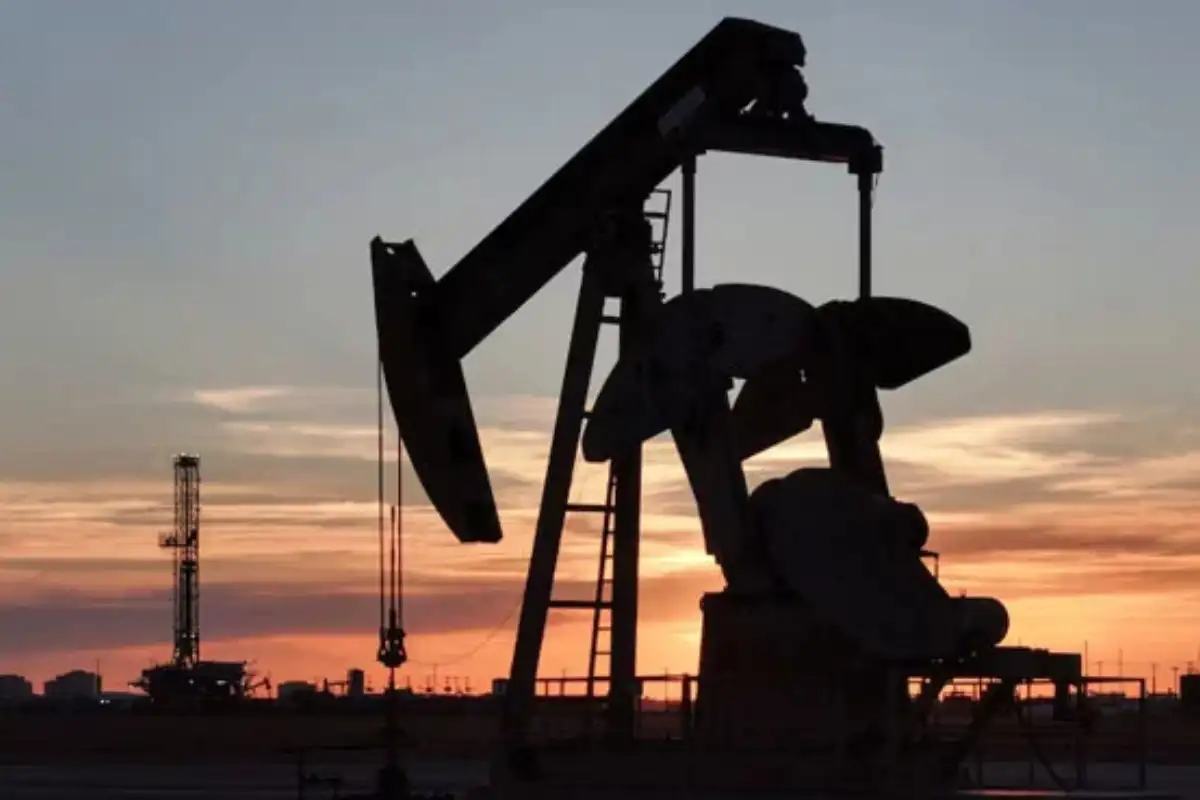

Oil at $110, Gold at $4,540, and a Warning of $150 Crude; How the Gulf Crisis Is Rewriting Global Market Risk

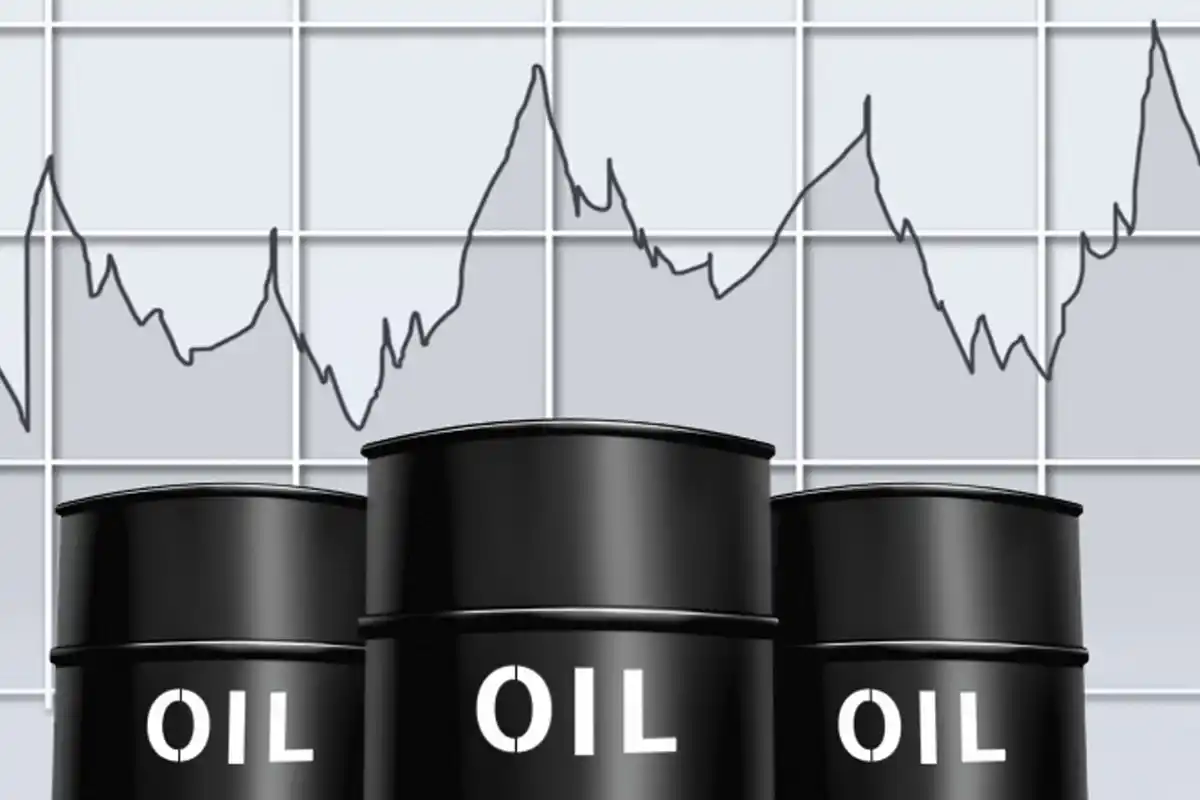
Oil Prices Surge Above $80 as Middle East War Fears Shake Global Markets
A drone strike on a UAE nuclear facility and Saudi Arabia intercepting three more drones in a single day. Markets are no longer pricing in a Gulf crisis. They are pricing in a Gulf war.
Monday’s market session delivered a verdict that diplomatic language has been avoiding: the Gulf conflict has moved from a regional security problem to a global economic emergency. Brent crude rose to $110.63 per barrel. WTI followed at $106.42. Gold held at $4,540 per ounce. And analysts at Capital Economics issued the warning that will define the week’s conversations in every finance ministry on earth.
The $130-150 Scenario Is Now the Base Case for Some Analysts
Capital Economics did not frame their projection as a tail risk. They framed it as a supply arithmetic problem. Global oil inventories are draining at rates that could reach critical levels by end-June if Strait of Hormuz disruption continues. Their price projection: Brent at $130-140 per barrel under current trajectory, with $150 possible if the strait remains disrupted into year-end.
The inflation consequence of $150 oil is not abstract. The same analysts modeled near 10 percent inflation in the UK and eurozone under that scenario — a figure that would force central banks to reverse the rate-cutting cycles they have carefully managed since 2024, return bond yields to recent peaks, and push major economies into recession.
This is the transmission mechanism that connects a drone strike in the UAE to grocery prices in Birmingham and mortgage rates in Frankfurt.
Bond Markets Are Already Moving
The inflation signal is registering in bond markets before the economic data confirms it. US 10-year Treasury yields rose to 4.584% — up 23 basis points in a single week. Thirty-year yields stand at 5.109% after an 18-basis-point jump. These are not marginal moves. They represent significant repricing of inflation expectations across the yield curve.
Rising yields simultaneously pressure equity valuations, increase government borrowing costs, and strengthen the dollar — a combination that hits emerging market economies carrying dollar-denominated debt with particular severity.
Equity Markets: Narrow Leadership in a Widening Crisis
Citi analyst Scott Chronert identified a structural vulnerability in current equity market strength: earnings upside has been driven by approximately 20 stocks, with forward guidance improvements showing similarly narrow concentration. The AI rally — Nvidia up 36% since March lows, the Philadelphia Semiconductor Index up over 60% — masks broad market fragility.
Chronert’s conclusion is direct: meaningful index upside from current levels requires visibility on Iran conflict resolution. Without it, the rally remains hostage to geopolitical headlines.
The G7 Moment
G7 finance ministers gathering in Paris Monday face a question that has no comfortable answer: how do you coordinate a response to an energy crisis caused by a conflict that the largest G7 economy started and has not resolved?
The unity that G7 coordination requires is being tested by exactly that asymmetry.
Walmart’s earnings this week will show whether American consumers are absorbing $106 WTI. The answer, almost certainly, is that they are — but not without cost.
Disclaimer; Based on Reuters market data and Capital Economics and Citi analyst reports.
Catch all the Business News, Breaking News Event and Trending News Updates on GTV News
Join Our Whatsapp Channel GTV Whatsapp Official Channel to get the Daily News Update & Follow us on Google News.
Must Read