Nostalgia, Tradition and Biryani

When anybody related or wanting to relate to Karachi talks of it usually they think of Herbal medicine slogans on the wall, Coaching billboards, its traffic, its coastline, political rallies and its endless energy filled with “Lights”. But for many Karachi lives in the smell of charcoal at burns road, the sound of kat-a-kat and green chilies, the sizzling sound of bun kebab hitting the hot tawa and the Nalli Nihari at mid night.
Karachi is not a place to eat food, its a city to “Celebrate Food” from birth to a birthday to a death ceremony its ends with food, maybe nostalgic society which emerged as a Cosmopolitan City or the Cultural belongings everybody carry in this city. As somebody says “Things reverse back to their originality” but at the same time it keeps evolving as well. A typical Karachi family would be having a Nihari differently and a family visiting from Gujranwala will celebrate the same food differently, eventually what matters is the taste, unity and aroma the food brings to spread love and harmony as well. Therefore it is still said one comes to Karachi once then you live here all your life physically or mentally.
From the legendary Burns Road to the bustling lanes of Liaquatabad, from Azizabad’s late-night BBQ spots to Jahangir Road’s famous eateries, Karachi’s street food culture is a living story of migration, tradition, innovation, and community. Many of these food traditions were introduced by families who migrated after Partition and brought recipes from Delhi, Lucknow, Hyderabad Deccan, and other parts of the subcontinent. Over generations, these recipes evolved into what is now known as authentic Karachi street food, the flow of people in the city keep the food changing creating a pace of competition for the business owners and even among families. The punjabi paya touch with nihari, badami qorma, sindhi biryani, rabri kheer and much more dishes are the cause of competition as well as cultural exchange, ethnic diversity and the emergence of social media played a vital role as well. The debate among the food lovers keep going about the birth of food and all but the beauty of the city still lies in sharing and trying different foods.
Karachi’s food talk is incomplete without the first developed food street “Burns Road” after that many places already existing emerged and known as formal food streets, such as Liaquatabad, Azizabad and Jahangeer road. Many already existing places famous for single dishes as well from PIB’s Qeema to Biryani of the Seas later which brought a unique and a fresh trend to “Biryani” lovers.
When it comes to Biryani I say,
There is food people like,
Then some love food,
But, there is Biryani, which to people is a celebration!
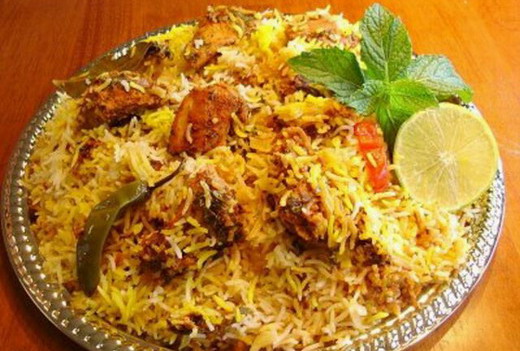
In South Asia, especially in Pakistan, biryani is more than a meal. It is a celebration, a tradition, a social language, and for many Karachiites, almost a religion. From birthdays to weddings, from office lunches to political gatherings, from Eid celebrations to funeral ceremonies, biryani remains the one dish capable of bringing hundreds of people together around a single aroma-filled pot.
In Karachi, biryani is not simply eaten—it is experienced.
The history of biryani is as layered as the dish itself.
Food historians generally trace its roots to Persia, where the words birinj (rice) and biryan (fried or roasted) influenced the name “biryani.” Persian cooking techniques involved layering rice with meat, herbs, and spices before slow-cooking them together.
Over centuries, traders, travelers, and royal courts carried these cooking traditions across Central Asia and the Indian subcontinent. During the Mughal era, the dish evolved further, blending Persian cooking methods with local spices, rice varieties, and South Asian culinary traditions.
Some historians argue that biryani’s modern form was refined in Mughal royal kitchens, while others believe layered rice-and-meat dishes already existed in parts of India before the Mughals arrived. The debate continues, but one thing is undisputed, biryani became one of the most influential dishes in South Asian history.
Karachi’s biryani story began with migration.
After Partition in 1947, families from Delhi, Lucknow, Hyderabad Deccan, Aligarh, and other regions settled in Karachi. They brought their recipes, spices, and cooking traditions with them.
Over time, these influences merged with Sindhi flavors and Karachi’s own food culture.
The result?
The legendary Karachi-style Sindhi biryani.
To many biryani is biryani, mostly known as Karachi Biryani now.
Usually when I travel to different cities within Pakistan out of excitement people tend to talk and tell their experience of Karachi, one uncle said, “Why there is a pan shop every corner?”
I replied “You might have missed the Biryani shop behind that”.
Lahore particularly has its own style of telling you an address to a stranger, but in Karachi you can easily hear somebody telling the address to Do-Talwar one would tell you there is a petrol pump and a Biryani shop BOTs then there is Do Talwar, You ask somebody about Tower (Kharadar) and obvious answer is nearest to Al-Rehman Biryani.
One of the most fascinating aspects of biryani is how it passes from generation to generation, Grandparents remember biryani cooked on coal stoves, Parents remember family gatherings centered around giant deg’s, Today’s youth debate biryani rankings on TikTok, Instagram, YouTube, and food blogs, Despite changing lifestyles, the obsession remains unchanged.
The recipe evolves.
The love does not.
Note: Dedicated to the biryani makers whose hands have preserved generations of flavor specially our late Senior Furqan T Siddiqui, and to all the biryani lovers whose passion has turned a simple dish into a timeless cultural legacy.
Catch all the Blogs News, Breaking News Event and Trending News Updates on GTV News
Join Our Whatsapp Channel GTV Whatsapp Official Channel to get the Daily News Update & Follow us on Google News.
Must Read