
The Taliban’s Afghanistan: Humanitarian Collapse, Gender-Based Repression, Extremism and Regional Security Challenges

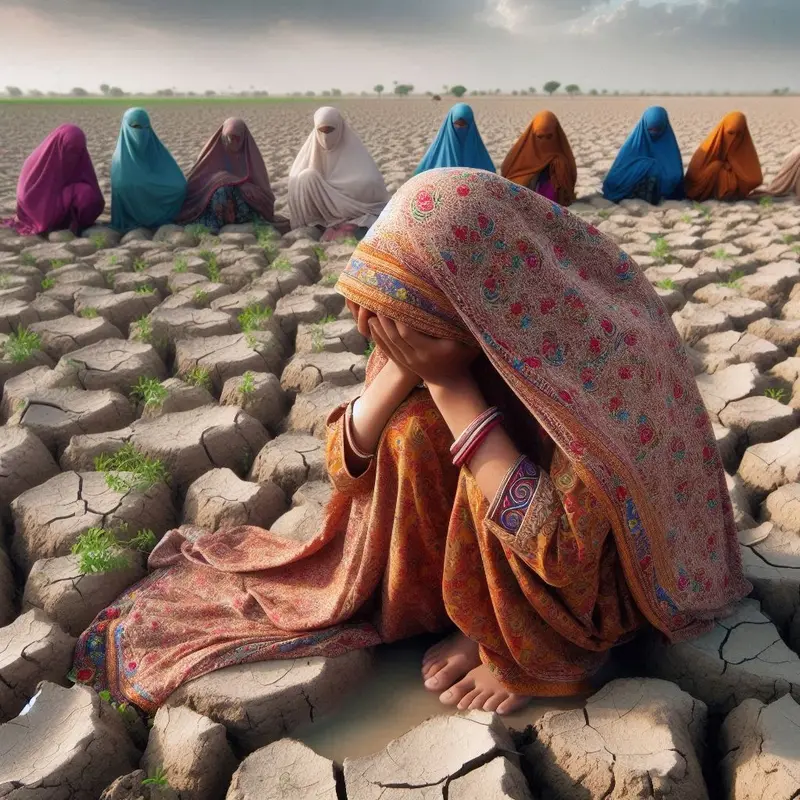
Nearly five years after the Taliban returned to power in August 2021, Afghanistan remains trapped in a deep humanitarian, economic and social crisis. Although large-scale armed conflict has declined, ordinary Afghans continue to face hunger, poverty, unemployment, displacement, weak public services and shrinking personal freedoms. Around 21.9 million people are expected to need humanitarian assistance in 2026, while millions face severe food insecurity. This shows that the end of major fighting has not brought genuine human security or a dignified life for the Afghan people.
The humanitarian crisis is particularly devastating for children. Between April and September 2026, about 13.8 million people are expected to experience crisis levels of acute food insecurity, while nearly 3.7 million children under five and 1.2 million pregnant or breastfeeding women face acute malnutrition. Recent research cited in the source material indicates that one in ten infants and very young children is suffering from acute malnutrition. For a country already struggling with poverty, this means that an entire generation is beginning life without adequate nutrition, healthcare or educational opportunity, threatening Afghanistan’s future human development.
Afghanistan’s healthcare system is also under severe pressure as international funding declines. CARE has been forced to close 30 clinics in 2026, while the World Health Organization has reported that around 150 health facilities have suspended operations or closed because of funding shortages since January. Women and children are particularly vulnerable because they often depend on female healthcare workers. Afghanistan’s maternal mortality rate remains among the highest in Asia, with about 638 maternal deaths for every 100,000 live births. When clinics disappear and female medical workers face restrictions, the consequences can become a matter of life and death.
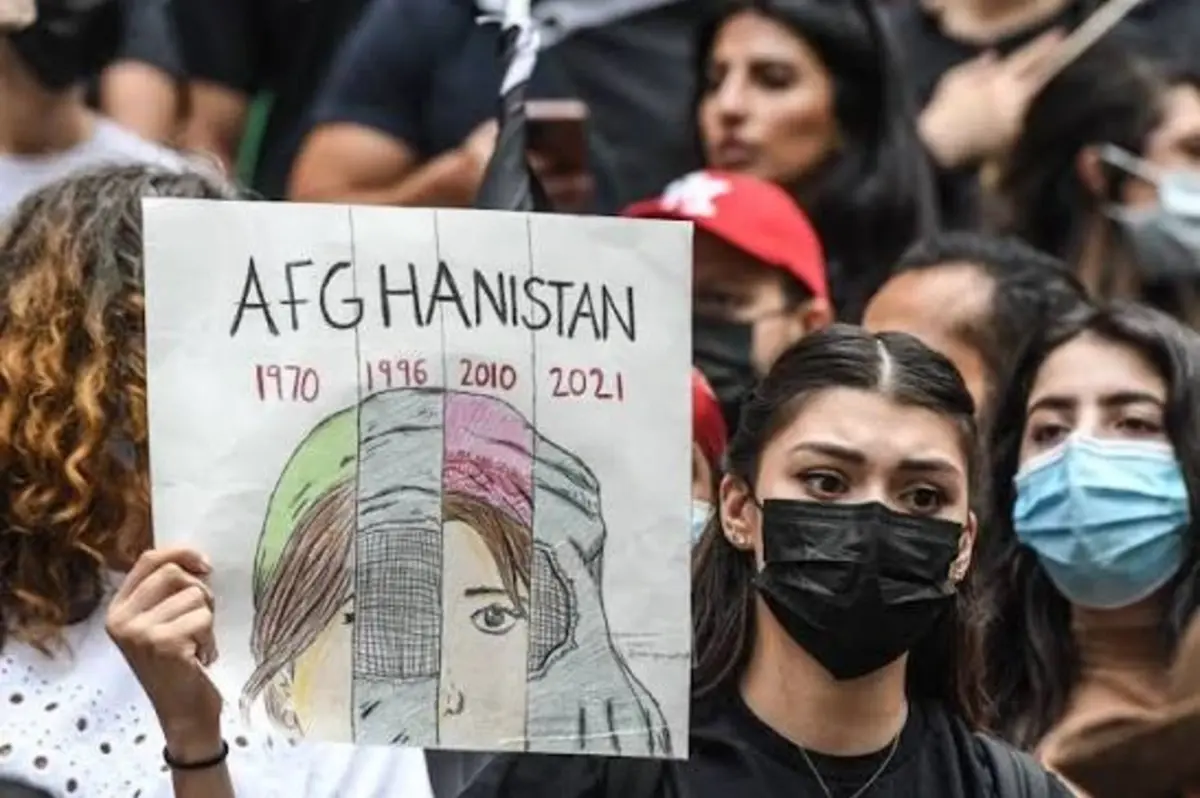
The most serious dimension of the crisis is the systematic restriction of women and girls. According to the material provided, by June 2026 the Taliban had issued 264 decrees affecting human rights, including 166 specifically targeting women and girls. Girls remain barred from secondary and higher education, while women have been excluded from many professions and public decision-making roles. What began as separate restrictions has developed into a wider system that limits women’s education, employment, movement, expression and participation in public life.
The damage caused by these policies reaches far beyond women themselves. A country cannot develop when half of its population is prevented from studying, working and contributing its abilities. Every girl who leaves school represents a potential doctor, teacher, engineer, researcher, journalist or administrator who may never receive the opportunity to serve her society. Every woman forced out of employment represents lost income for a family and lost productive capacity for the national economy. Afghanistan is therefore not only restricting rights; it is weakening its own human capital and reducing the foundations required for long-term development.
The consequences are especially severe in healthcare, where women are indispensable to reaching female patients. Restrictions on female employment and movement make it harder for women to receive medical treatment and harder for humanitarian organizations to deliver assistance. The source material describes reports of morality inspectors entering hospitals and questioning female patients and healthcare workers about mahram requirements and interactions between male and female staff. Such interference creates fear inside institutions that should exist primarily to save lives.
The crisis has also transformed social relationships by extending state control into private life. Families may be pressured to enforce restrictions on women’s clothing, movement and behavior, turning homes and communities into extensions of the enforcement system. At the same time, women have increasingly limited access to formal justice. They are reportedly nearly four times less likely than men to have access to formal justice mechanisms, leaving many without safe and effective ways to challenge abuse or seek protection. Early, forced and child marriages also remain serious concerns, with poverty pushing some families toward marriage as a survival strategy.
Afghanistan’s economic decline is closely connected to these social restrictions. A functioning economy requires educated people, skilled workers, women participating in the workforce, functioning institutions and confidence in the future. When women are removed from employment, girls are denied education and professionals leave or abandon their careers, the country loses productive capacity. Poverty then increases dependence, family pressure and vulnerability to exploitation. Humanitarian assistance can keep people alive during an emergency, but it cannot permanently replace an economy capable of providing people with work, income and dignity.
The crisis also extends to freedom of expression, media and political life. Journalists, critics and civil society actors have faced restrictions, detention and pressure, reducing the space for independent voices. When citizens cannot freely criticize authorities, journalists cannot report openly and civil society cannot operate effectively, governments lose important channels through which they can understand social problems and correct failures. A country may achieve administrative control through fear, but fear cannot create trust, innovation or genuine national unity.
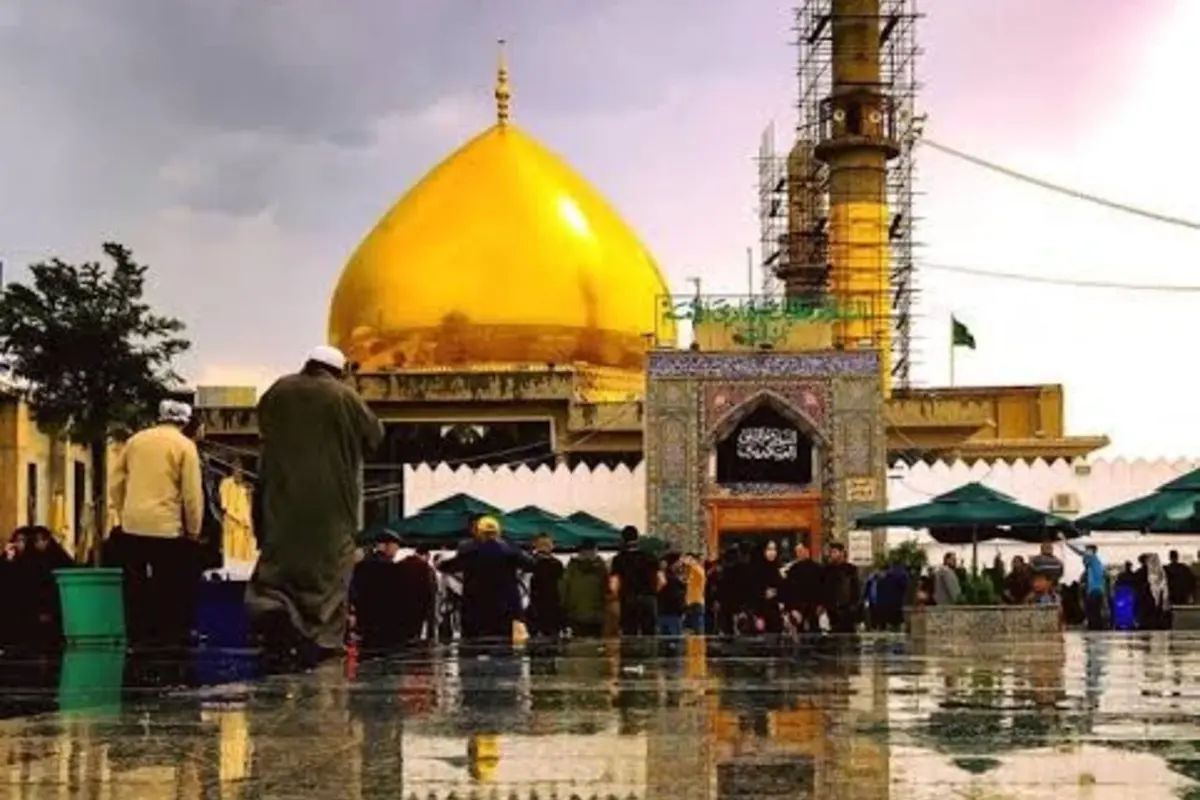
Afghanistan is also facing continuing insecurity from poverty, displacement, natural disasters and attacks by armed groups such as Islamic State Khorasan Province. Minority communities, including Hazaras, have faced deadly attacks, while returning Afghans from neighboring countries have placed additional pressure on already weak housing, healthcare, education and employment systems. These overlapping crises reinforce one another: poverty increases vulnerability, displacement disrupts education, weak healthcare increases suffering, and insecurity makes economic recovery even more difficult.
Philosophically, Afghanistan raises a fundamental question about the meaning of peace and state power. The absence of large-scale war does not automatically mean that people are safe. Real security means being able to study, work, obtain healthcare, seek justice, express an opinion and live without arbitrary fear. A government may control territory and maintain order, but if citizens are denied dignity, opportunity and basic rights, political stability remains incomplete. Peace without justice becomes silence, and stability without freedom can become another form of insecurity.
The deepest tragedy is that Afghanistan risks losing not only the present but also its future. Children suffering malnutrition today will carry its consequences into adulthood; girls denied education today will mean fewer skilled professionals tomorrow; women excluded from work will weaken families and the wider economy; and a society deprived of independent voices will struggle to correct its own mistakes. Afghanistan therefore needs more than emergency relief. It needs sustained investment in healthcare, education, livelihoods, civil society and human development, while the rights and participation of women and girls must be protected. The future of Afghanistan cannot be built by excluding half of its population. A nation may survive through control, poverty and fear for some time, but it cannot truly prosper until its people are allowed to live with dignity, opportunity, justice and hope.
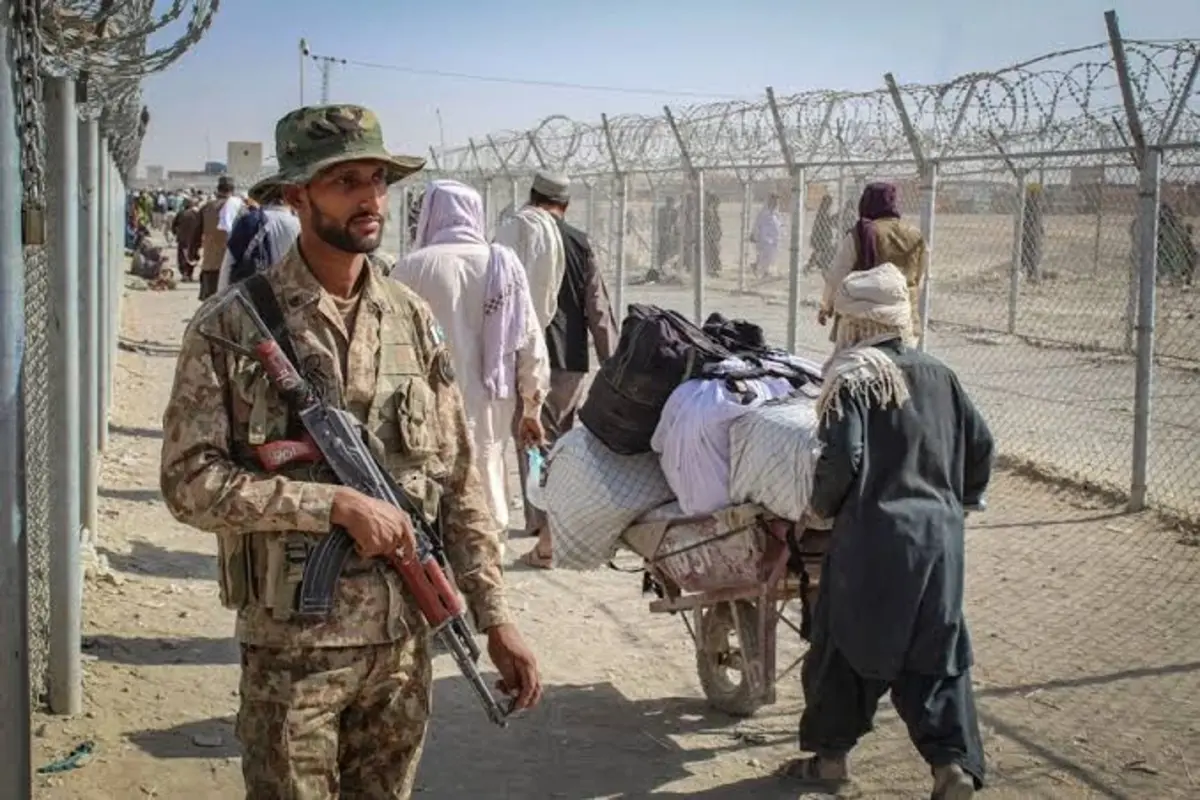
The worsening situation in Afghanistan is creating serious security concerns for neighboring countries as militant and extremist networks continue to operate in the region. The continued presence of armed groups inside Afghanistan raises fears that the country could once again become a base for cross-border terrorism and extremist activities. Growing militancy can threaten border security and increase the risk of infiltration, attacks and instability across neighboring states. The movement of weapons, militants and extremist ideology can further weaken security and social stability throughout South and Central Asia. Afghanistan’s economic and humanitarian crisis may also increase illegal migration, smuggling and displacement, placing additional pressure on neighboring countries. If militant networks are allowed to strengthen their presence, Afghanistan could once again become a major source of regional insecurity, threatening peace, development and economic connectivity across the region.
Catch all the Blogs News, Breaking News Event and Trending News Updates on GTV News
Join Our Whatsapp Channel GTV Whatsapp Official Channel to get the Daily News Update & Follow us on Google News.
Must Read