
Clarence Carter Dead at 90 — Who Was Candi Staton, His Most Famous Ex-Wife, and Inside His 5 Marriages


Clarence Carter Dead at 90 — Who Was Candi Staton, His Most Famous Ex-Wife, and Inside His 5 Marriages
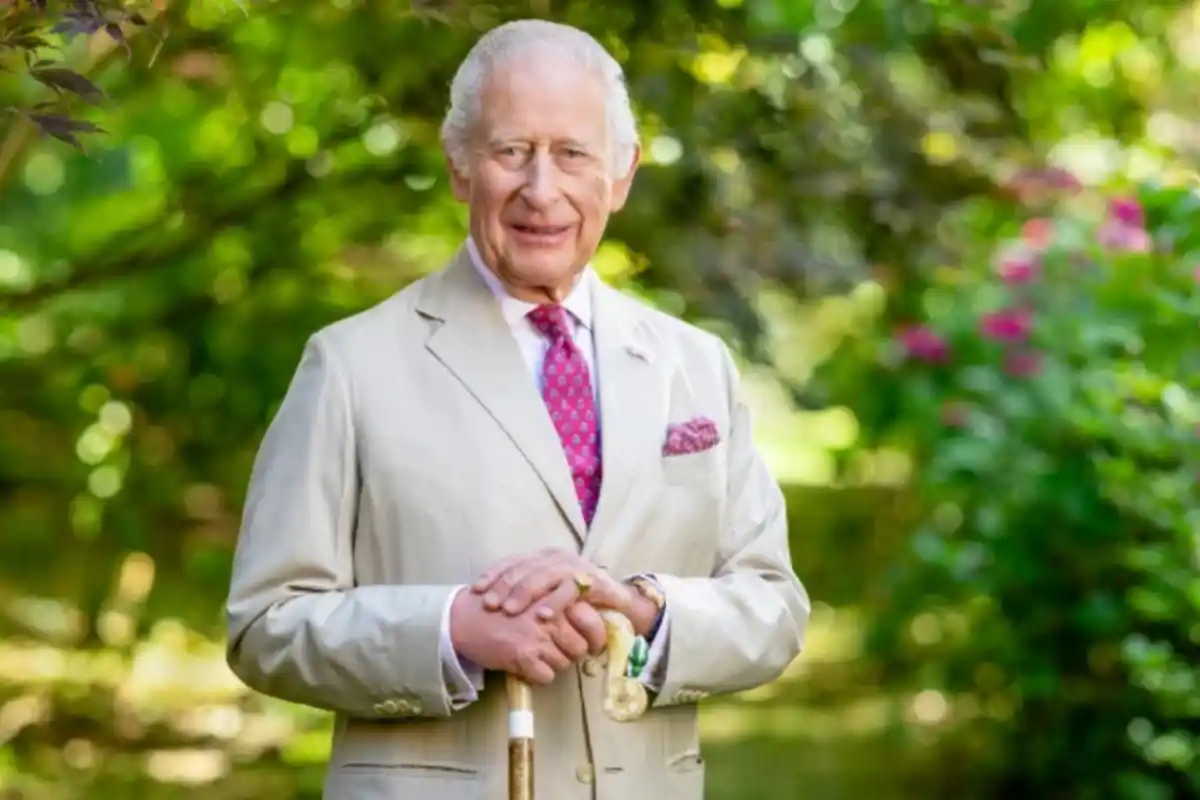
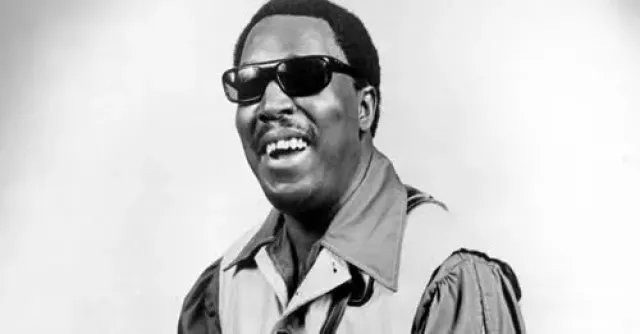
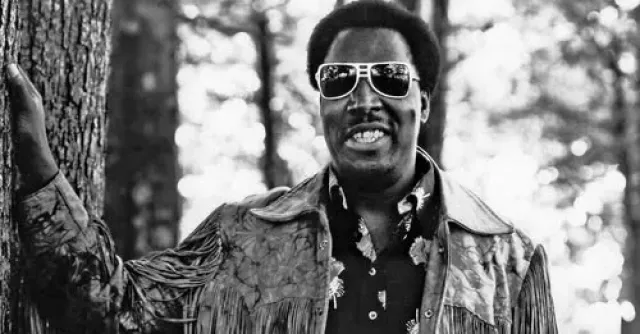
On May 13, 2026, Clarence Carter — the Alabama-born soul singer whose voice defined the Muscle Shoals sound and whose hits Strokin’, Slip Away, and Patches became American classics — died peacefully at his home in Decatur, Georgia. He was 90 years old. FAME Recording Studios, the legendary Muscle Shoals institution where Carter recorded some of his most important work, announced his death Thursday morning with a tribute that described him as family rather than simply an artist. What follows his passing is the full story of the man behind the music — including five marriages, a transformative romance with fellow soul legend Candi Staton, and a career built entirely without the gift of sight.
The Man Behind the Music — Blindness, Guitar, and Muscle Shoals
Clarence Carter lost his eyesight before the age of one. That fact — stated plainly — carries weight that becomes extraordinary when placed alongside everything he subsequently achieved. He taught himself guitar. He attended Alabama State College to study music formally. He built a partnership with fellow blind musician Calvin Scott before breaking through as a solo artist whose voice FAME Studios would later describe as one of the most distinctive in music history.
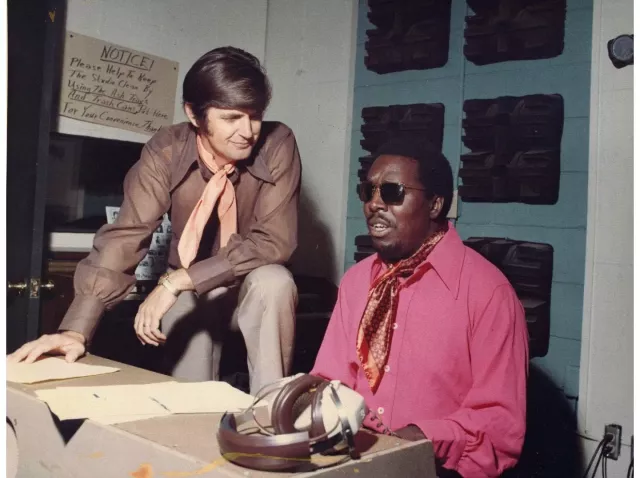
 His guitar playing and songwriting abilities were equally significant to his vocal work — a dimension of his talent that public memory, focused on his performance charisma, sometimes undervalues. Carter wrote many of his own hits and wrote songs for other artists, including Candi Staton’s breakthrough single — a contribution that shaped another career while advancing his own. FAME’s tribute specifically noted his work as “a remarkably tasteful guitar player and an exceptional songwriter” alongside acknowledging his voice — a deliberate corrective to the tendency to reduce him to his most famous recordings.
The Marriage That Soul Music Remembers — Clarence Carter and Candi Staton
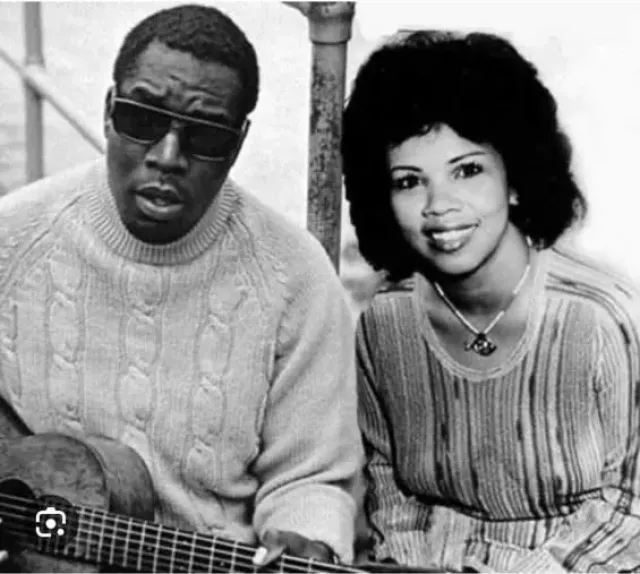
Of Carter’s five marriages, one has always occupied a different category in public memory: his relationship with Canzetta Maria “Candi” Staton, the gospel and soul singer whose own career became one of the defining voices of 1970s Southern soul music.
Carter and Staton met in 1968 at a moment of particular significance for both. Staton was rebuilding her life and professional identity after leaving an abusive marriage. Carter was already an established presence in Muscle Shoals’ recording scene. Their relationship began professionally — it was Carter who reportedly introduced Staton to producer Rick Hall at FAME Studios, opening the door to the recordings that would establish her nationally.
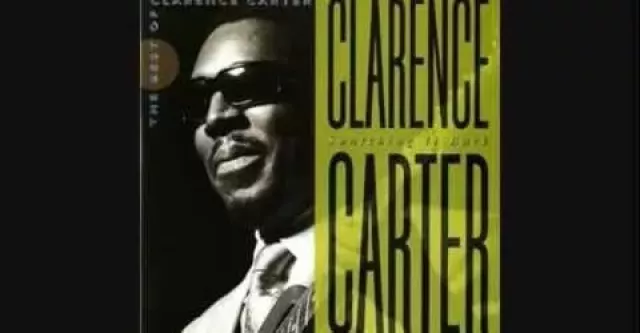

Carter also wrote I’d Rather Be an Old Man’s Sweetheart (Than a Young Man’s Fool) — Staton’s breakthrough Southern soul hit, a song that captured the emotional complexity of a woman choosing stability over passion with specific, hard-earned wisdom. That he wrote it for her, during the early years of their relationship, makes it simultaneously a professional gift and a personal statement.
They married in 1970 and welcomed a son, Clarence Carter Jr. The marriage lasted three years — they divorced in 1973 — but the warmth between them never fully dissolved. In an April 2025 social media post, Staton described Carter as “an amazing husband and a brilliant man” with fond memories of their time together. That characterisation, offered voluntarily more than fifty years after their divorce, says something significant about the quality of what they built together even if it did not last.
Who Candi Staton Is — A Career That Outlasted the Marriage
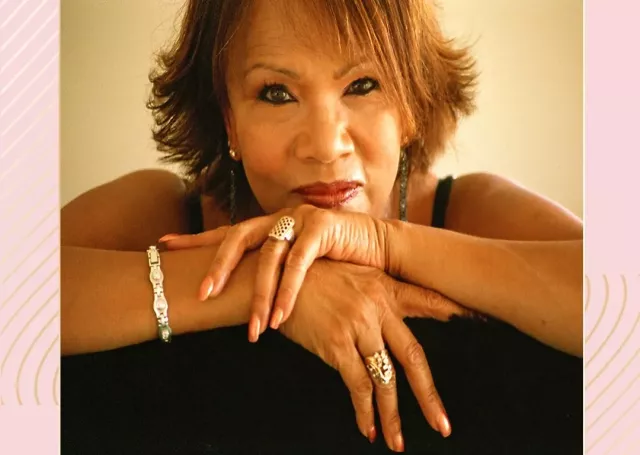
Candi Staton’s significance in American music extends well beyond her relationship with Carter. Born in 1940, she built a career spanning gospel, soul, R&B, and Christian music across more than six decades. Her hits — Young Hearts Run Free, Stand By Your Man, and her iconic version of You Got the Love — reached audiences far beyond the Southern soul circuit where she began.
Her 2026 Grammy nomination for Back to My Roots in the Best Roots Gospel Album category at the 68th Annual Grammy Awards demonstrates that her artistic relevance has not diminished with age. Five Grammy nominations across a career built in a genre that the Recording Academy has historically undervalued represents sustained peer recognition of the highest order.
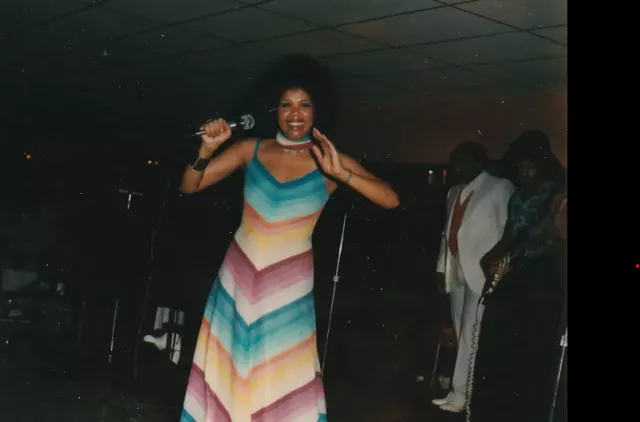
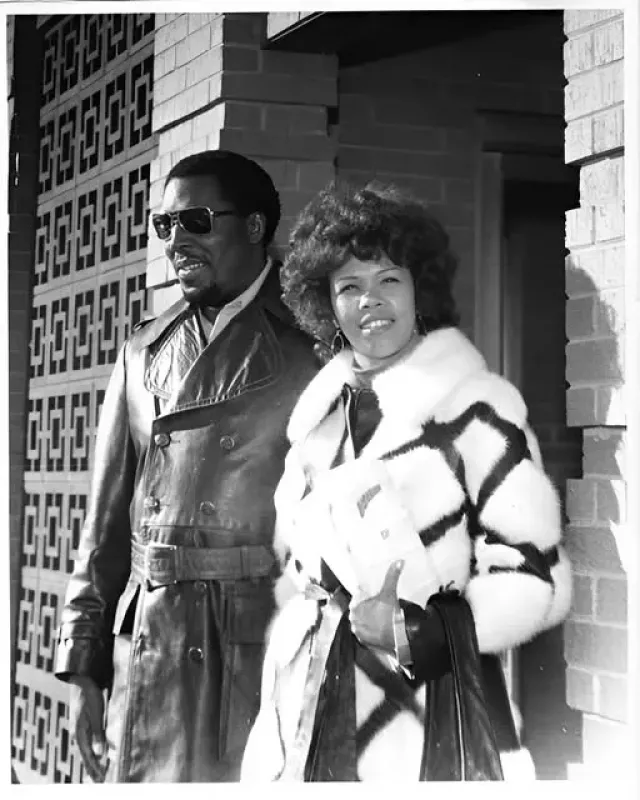
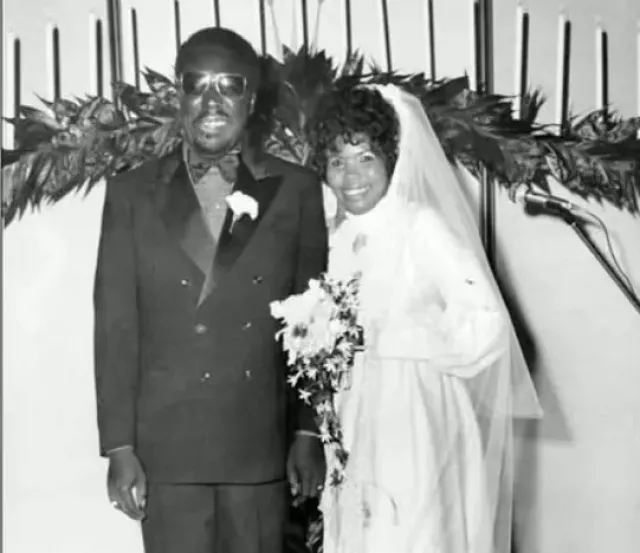
Like Carter, she experienced multiple marriages. Like Carter, she kept the details of most of them private. What she has consistently made public is her respect for the man who helped launch her career — and who, despite the brevity of their marriage, remained a positive presence in her professional memory until his death.
Carter’s Other Marriages — What Is Known
Beyond Staton, the specifics of Carter’s five marriages are largely undocumented by his own deliberate choice. He kept his personal life private with consistency. After his divorce from Staton, he was linked to a woman named Ethel Pearl — she remained connected to his Alabama social circle until her death in 2022. His final marriage, to Joyce Jenkins in 2001, brought him to DeKalb County, Georgia, where he spent his final years and ultimately died.
His public commentary on his romantic history leaned into humour rather than explanation — his quip about being divorced five times and wondering “what’s wrong with those women” is the kind of self-deprecating deflection that characterises someone who understood his own patterns without necessarily wanting to defend them.

FAME Studios’ Tribute — What the Industry Recognised
FAME Recording Studios’ decision to describe Carter as family rather than simply an artist in their death announcement is the appropriate tribute for a musician whose relationship with the institution spanned decades and whose contributions to the Muscle Shoals sound were foundational. Muscle Shoals — the small Alabama city that produced an outsized share of American soul music from the 1960s through the 1980s — owes part of its international reputation to what Carter recorded there.
His work at FAME sat within a broader creative ecosystem that included Aretha Franklin, Wilson Pickett, and Etta James recording at the same facility during overlapping periods. Carter’s voice and songwriting contributed to the specific sonic identity that made Muscle Shoals recordings recognisable — the interplay of vulnerability and grit that defines Southern soul at its most authentic.
FAQ
When did Clarence Carter die? May 13, 2026, at his home in Decatur, Georgia, aged 90.
Who was Candi Staton to Clarence Carter? His second or third wife — they married in 1970, divorced in 1973, and remained on warm terms until his death.
How many times was Clarence Carter married? Five times, though details of most marriages were kept private.
Was Clarence Carter really blind? Yes — he lost his sight before the age of one and built his entire career without vision.
What were Clarence Carter’s biggest hits? Strokin’, Slip Away, Patches, Tell Daddy, and Back Door Santa.
Catch all the Entertainment News, Breaking News Event and Trending News Updates on GTV News
Join Our Whatsapp Channel GTV Whatsapp Official Channel to get the Daily News Update & Follow us on Google News.
Must Read

Pakistan
PM Shehbaz Sharif Hails Pakistan-China Ties at Chinese National Day Ceremony
30-September،2026


World
Iraqi Resistance Groups Welcome US Withdrawal, Call for Air Defense Strengthening
30-September،2026