
The Iran War Comes Home: How Washington’s Foreign Policy Decisions Are Emptying American Grocery Carts

The Iran War Comes Home: How Washington's Foreign Policy Decisions Are Emptying American Grocery Carts
The connection between a naval blockade in the Gulf and the price of tomatoes in Ohio is not abstract. It runs through every step of the food supply chain.
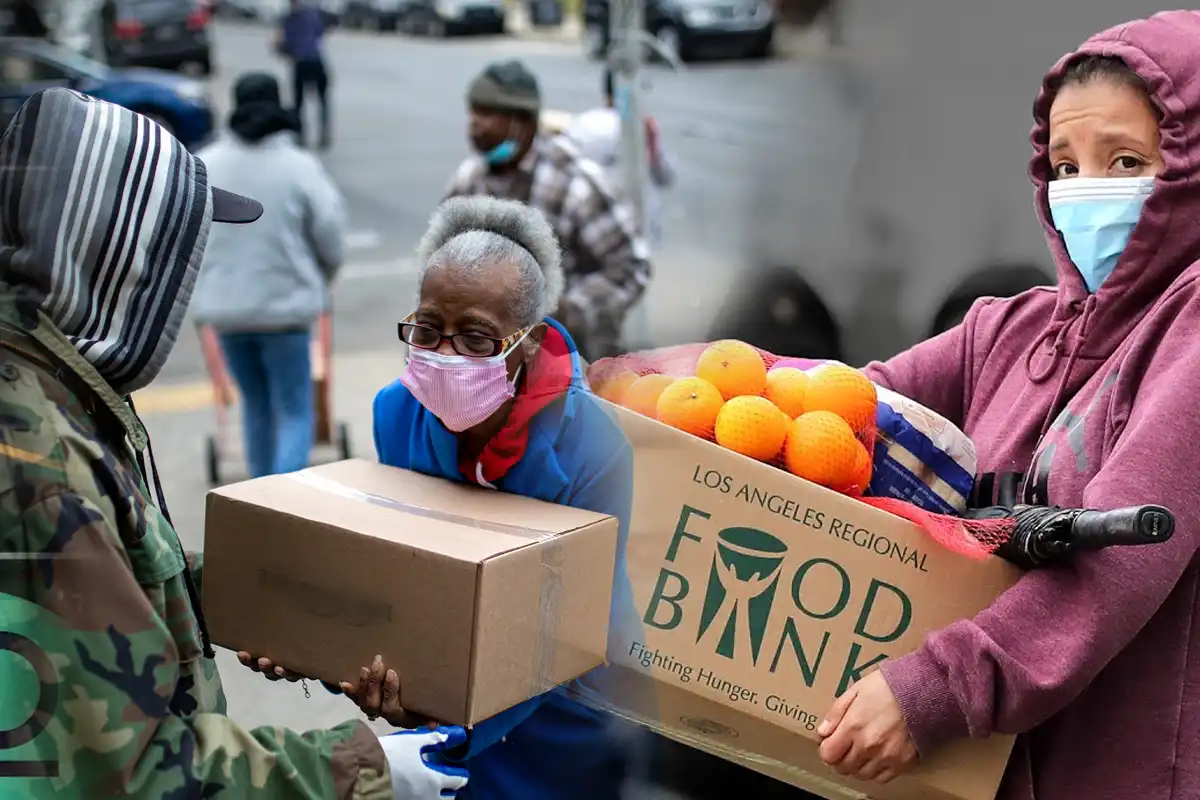
Americans who voted for lower prices are getting higher ones. The Trump administration campaigned explicitly on reducing inflation. Instead, a combination of Iran war energy costs and aggressive tariff policy has pushed grocery prices to their highest levels since the COVID-era surge — and the supply chain mathematics explain exactly why.
The Tomato Problem Is Just the Beginning
Tomato prices have risen 25 percent year-on-year. The immediate cause is a 17 percent tariff on Mexican tomato imports — a significant policy choice given that the United States sources approximately 90 percent of its tomatoes from Mexico. When a country imports nearly all of a staple and then taxes those imports, the price increase is not a market anomaly. It is arithmetic.
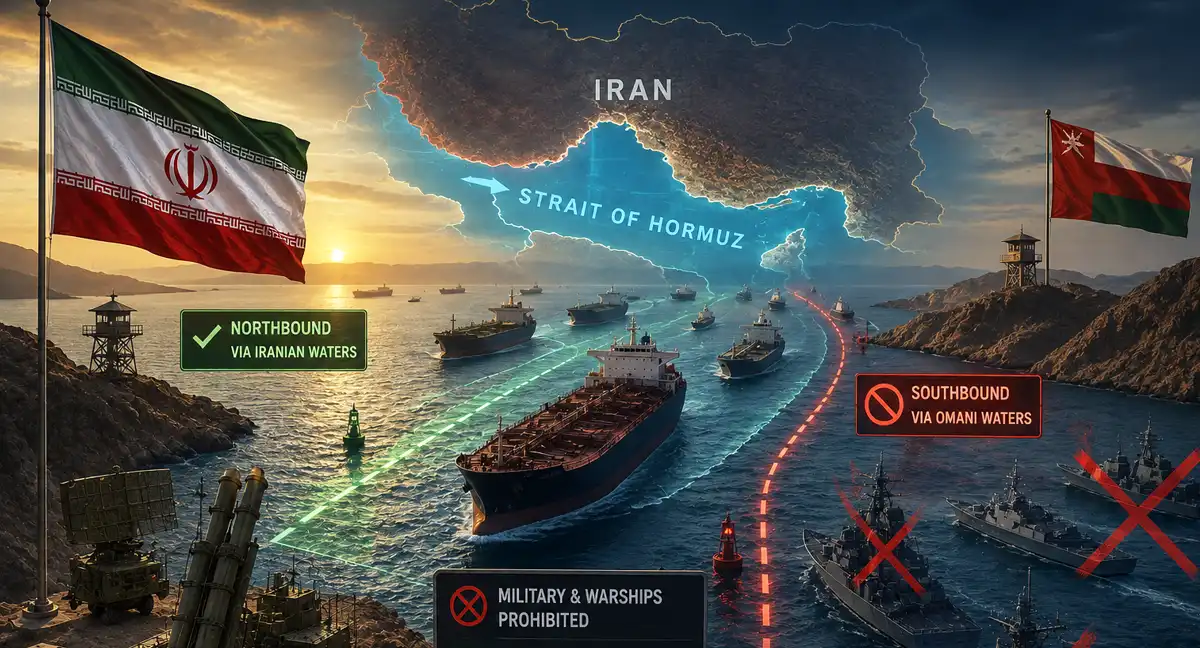
But tariffs are only half the story. The Iran conflict has pushed oil above $110 per barrel by disrupting Strait of Hormuz shipping confidence. That energy price spike transmits through the entire agricultural supply chain in ways that compound rather than add.
How Energy Costs Become Food Costs
Fertilizer production is energy-intensive — natural gas is the primary feedstock for nitrogen fertilizers that American farmers depend on. Fertilizer costs have risen 40 percent, directly increasing the cost of growing every calorie that reaches an American plate.
Diesel powers the tractors that plant crops, the trucks that move harvests, the refrigerated transport that keeps meat and dairy viable in transit. When diesel prices rise with oil, transport costs rise with them — and those costs are embedded in the shelf price of every item requiring cold chain logistics.
Packaging adds another layer. Plastic packaging — used across virtually every grocery category — is petroleum-derived. A 40 percent increase in packaging costs flows directly into product margins that retailers recover from consumers.
Supermarkets, operating on thin margins, pass these accumulated cost increases forward. They have no alternative. The result is a grocery bill that is one-third higher than pre-pandemic levels — a threshold that represents genuine hardship for lower and middle-income households spending fixed percentages of income on food.
The Accountability Gap
The Trump administration promised to lower prices. Confronted with rising ones, it has attributed grocery inflation to fertilizer companies and meat packers — a framing that deflects from the policy decisions that generated the underlying cost pressures.
The tariff on Mexican tomatoes was a Trump administration choice. The Iran war, with its oil price consequences, was a Trump administration choice. The energy cost transmission into food prices is not a corporate conspiracy. It is physics and economics operating exactly as they always have.
American consumers understand this intuitively even when they cannot articulate the supply chain mechanics. The kitchen budget tells them what Washington’s press releases do not.
Disclaimer; Based on publicly available agricultural price data and supply chain economic analysis.
Catch all the Blogs News, Breaking News Event and Trending News Updates on GTV News
Join Our Whatsapp Channel GTV Whatsapp Official Channel to get the Daily News Update & Follow us on Google News.
Must Read


Entertainment
Harry and Meghan Reportedly Raise Security Concerns Over Children’s New School
1-October،2026