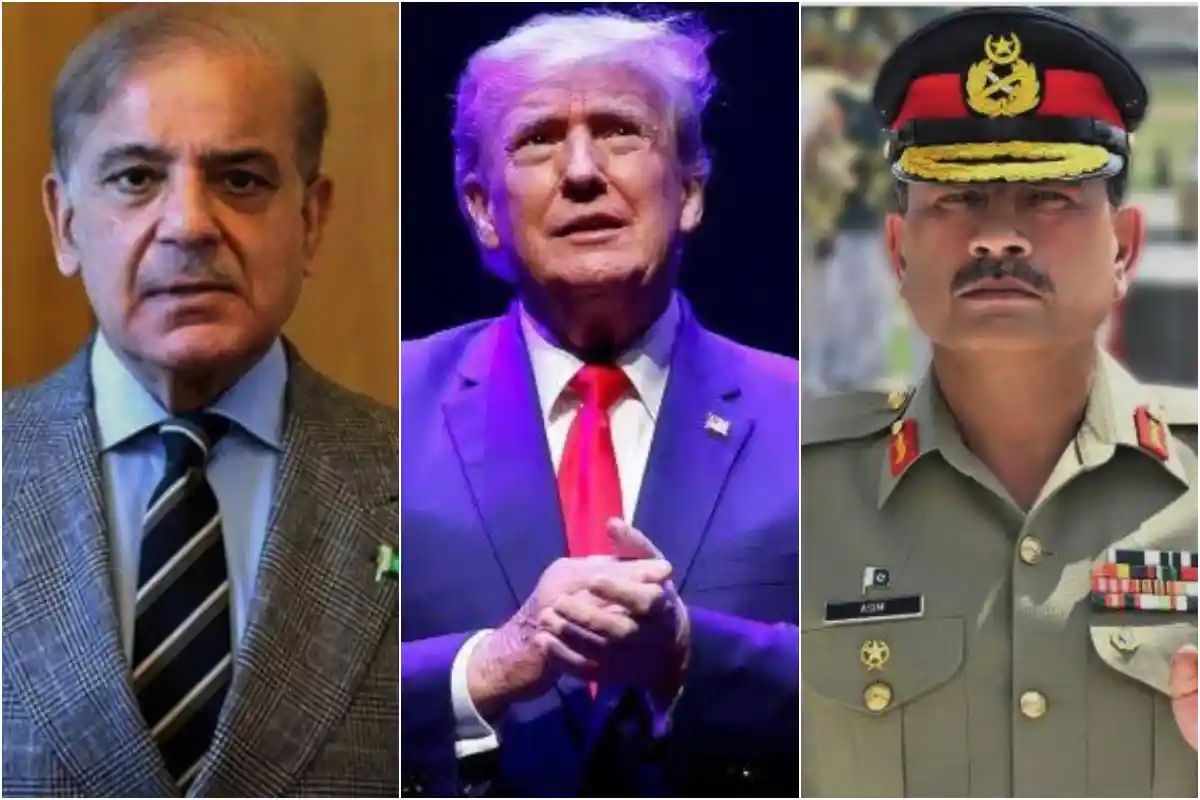
In a significant development, former U.S. President Donald Trump has reiterated his pivotal role in de-escalating the recent military conflict between Pakistan and India, while also praising Pakistan’s leadership, according to The News.
Speaking at a White House event alongside German Chancellor Friedrich Merz, Trump reflected on how tensions between the two South Asian neighbors were dangerously escalating. “The leader of India, a big guy, was here a few weeks ago and we had great talks — and Pakistan, likewise,” he said. “They have very strong leadership. Some people may not like me saying that, but it is what it is.”
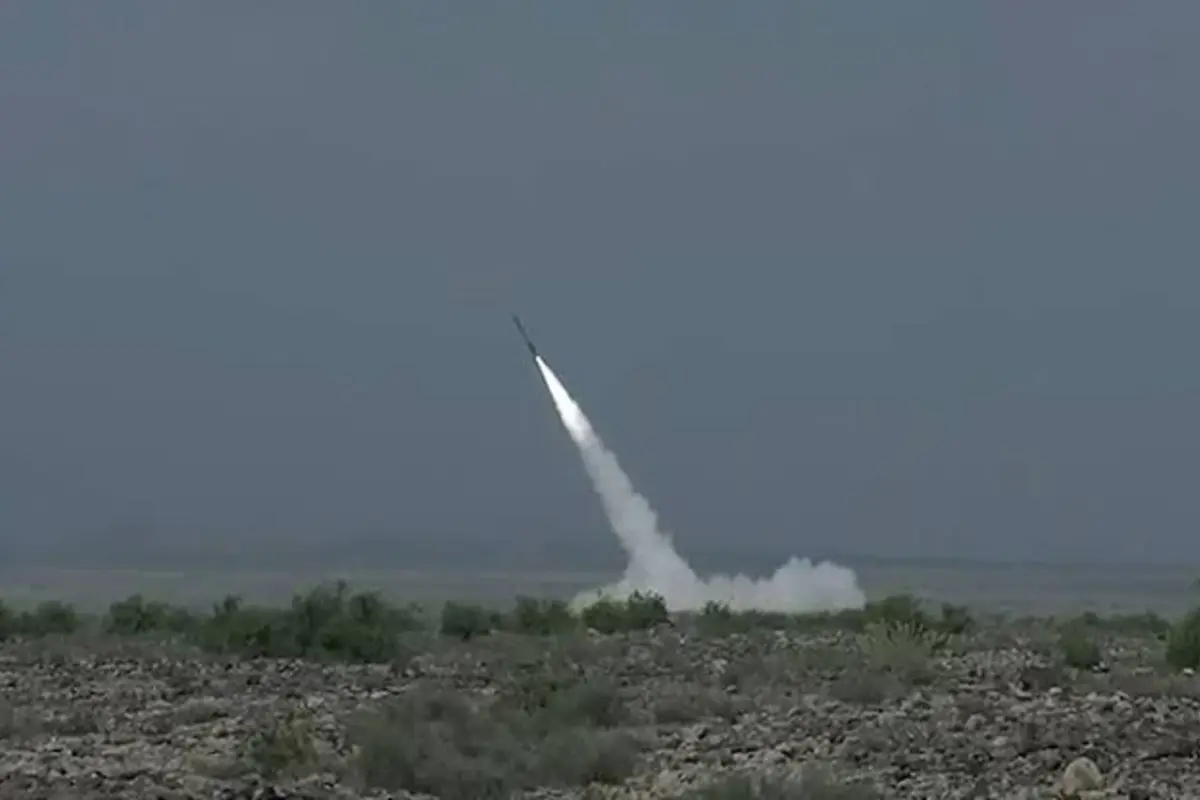
The confrontation erupted after an attack in Indian Illegally Occupied Jammu and Kashmir (IIOJK), which killed 26 tourists. India blamed Pakistan and launched unprovoked attacks, killing innocent civilians for three consecutive days. Pakistan responded through Operation Bunyan-um-Marsoos, shooting down six Indian Air Force jets, including three Rafale aircraft, and dozens of drones. The conflict concluded on May 10 with a U.S.-brokered ceasefire.
Trump emphasized that his intervention included direct talks with both sides and leveraging trade negotiations. “I spoke to talented people on both sides. Very good people on both sides […] I told them we’re not going to deal with you if you go shooting each other and whipping out nuclear weapons.” He added, “And they stopped the war. Now will they give me credit? They won’t give me credit for anything. But nobody else could have stopped it. I was proud of that.”
The Kremlin also confirmed the issue was discussed during Trump’s phone call with Russian President Vladimir Putin. “The Middle East was discussed, as well as the armed conflict between India and Pakistan, which has been halted with the personal involvement of President Trump,” said Russian aide Yuri Ushakov.
Meanwhile, Pakistan has launched a global diplomatic initiative led by PPP Chairman and former foreign minister Bilawal Bhutto-Zardari. The delegation includes prominent political figures like Hina Rabbani Khar, Sherry Rehman, and Khurram Dastgir Khan, aiming to counter India’s narrative.
In a Bloomberg interview, Bilawal warned that India’s actions have lowered the threshold for nuclear confrontation, adding, “Now we then have about 30 seconds time to decide, off a grainy little image, this nuclear-capable missile — is it armed with a nuclear weapon? And how do we respond?” He stressed that rapid escalation could prevent future mediation, including by figures like Trump, saying, “Our concern for next time, heaven forbid, for next time round is that the threshold is low for a military conflict.”