
Iranian Aircraft at Nur Khan Airbase; Pakistan rejects the CBS News report

Iranian Aircraft at Nur Khan Airbase; Pakistan rejects the CBS News report
The planes are real. The military threat narrative is not. What Pakistan’s detailed clarification actually reveals about the Islamabad peace process is the story the original report missed entirely.
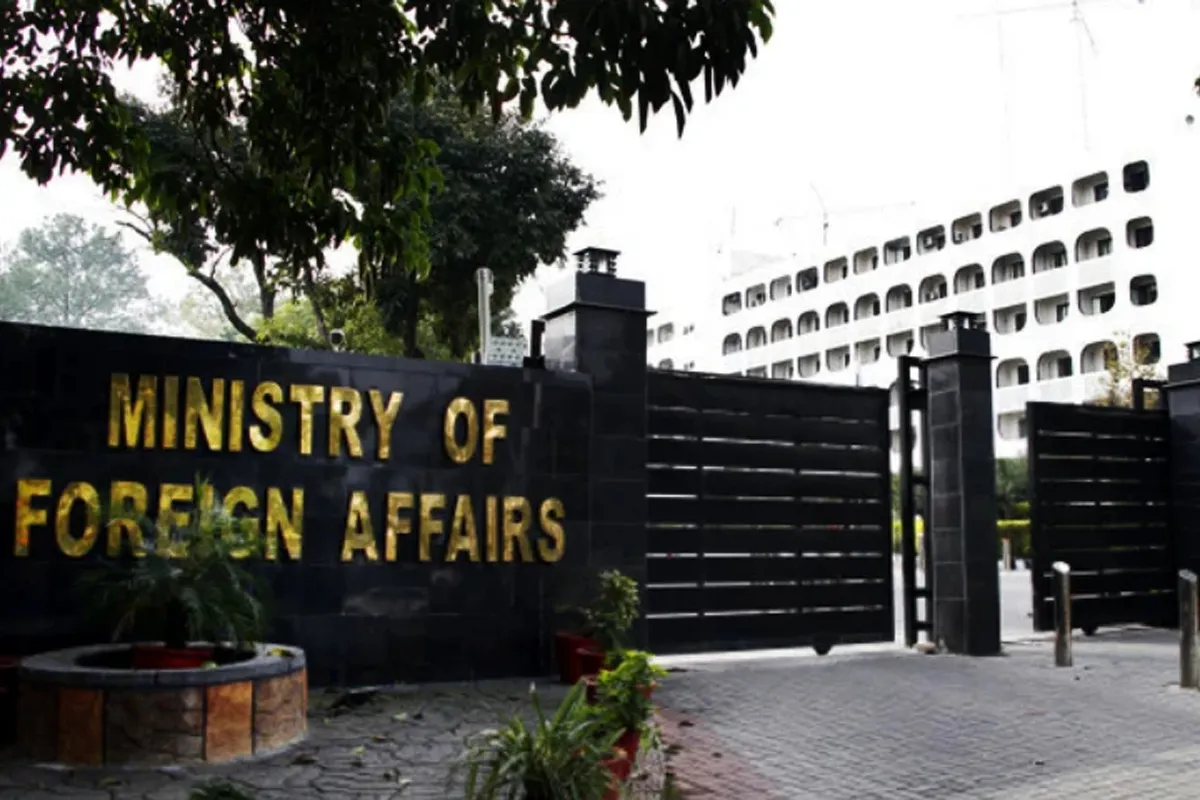
Pakistan has done something unusual for a government managing a sensitive diplomatic operation: it has explained itself in detail. The Foreign Office’s categorical rejection of the CBS News report on Iranian aircraft at Nur Khan Airbase did not simply deny the story — it confirmed the core fact, reframed the context entirely, and in doing so revealed more about the state of Iran-US negotiations than any leaked intelligence report has managed to date.
The aircraft are there. They arrived during the ceasefire. They are diplomatic, not military. And their continued presence on Pakistani soil is evidence that the Islamabad peace process — however stalled — has not collapsed.
What CBS Got Wrong — and What It Got Right
The CBS News report characterized the presence of Iranian aircraft at Nur Khan Airbase in terms that implied military significance — a framing Pakistan’s Foreign Office described as misleading and sensationalized. On the core fact, CBS was correct: Iranian aircraft are parked at a Pakistani airbase. On the interpretation, the report missed the context that transforms the story entirely.
Pakistan’s clarification establishes a precise timeline and purpose. Following the ceasefire and during the initial round of what are now being called the Islamabad Talks, aircraft from both Iran and the United States arrived in Pakistan. Their purpose was logistical: moving diplomatic personnel, security teams, and administrative staff associated with the negotiations. Some aircraft and support personnel remained in Pakistan after the first round concluded, held in anticipation of subsequent negotiating sessions that have not yet materialized.
This is standard diplomatic logistics for sensitive multilateral negotiations. When parties to a conflict engage in face-to-face talks through an intermediary, they do not fly commercial. They bring their own aircraft, their own security details, and their own communications infrastructure. The presence of those assets in the host country between rounds of negotiation is not a military deployment. It is a parking arrangement pending the next meeting.
The Islamabad Talks: What We Now Know
Pakistan’s statement contains the most explicit official acknowledgment to date that structured, senior-level negotiations between Iran and the United States have taken place on Pakistani soil. The Foreign Office refers to an “initial round of the Islamabad Talks” as an established fact, confirms that formal negotiations have not yet resumed, and notes that “senior-level diplomatic exchanges have continued” in the interim.
This language maps out a negotiating structure with three distinct phases: an initial formal round that has concluded, an interim period of continued senior-level contact, and anticipated subsequent formal rounds for which logistical infrastructure is being maintained.
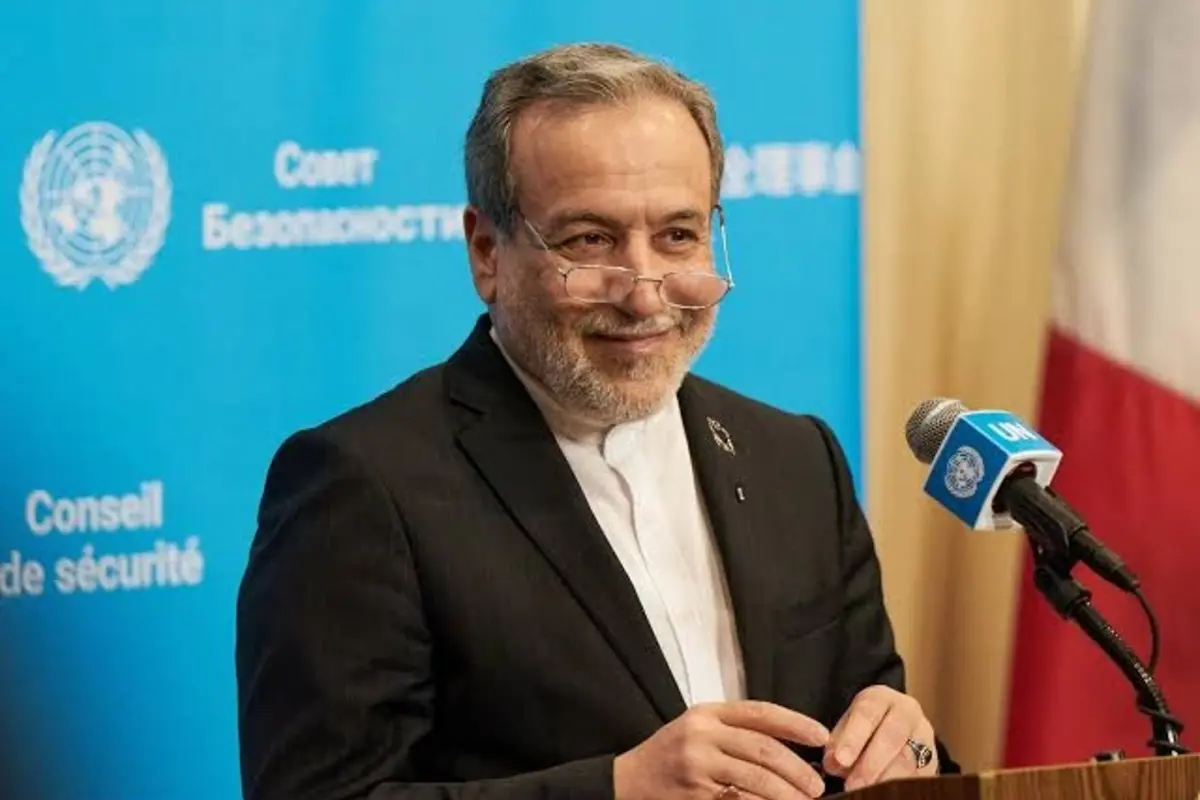
The visits by Iranian Foreign Minister to Islamabad — confirmed in the statement as facilitated through existing logistical arrangements — represent the senior-level diplomatic exchanges referenced. They are not separate events but part of a continuous negotiating process that Pakistan is actively hosting and managing.
The significance of this cannot be overstated. Direct or facilitated diplomatic engagement between Iran and the United States, conducted through Pakistani intermediaries at foreign minister level, represents the most substantive diplomatic contact between these parties since the conflict began on February 28. The fact that it is happening in Islamabad, using infrastructure Pakistan established for the initial talks round, confirms that Pakistan’s mediating role is operational rather than merely symbolic.
Nur Khan Airbase: Why This Location Matters
Nur Khan Airbase, located in Rawalpindi adjacent to the Pakistani capital, is not a random facility. It serves as the primary VIP and diplomatic air transport hub for Pakistan, handling head-of-state visits, sensitive cargo, and classified personnel movements. It is the operational base for Pakistan Air Force’s VIP transport squadron and has hosted diplomatic aircraft for sensitive visits throughout Pakistan’s modern history.
Choosing Nur Khan for the logistical support of the Islamabad Talks is therefore not merely convenient — it reflects a deliberate decision to keep the process within Pakistan’s most secure and controlled aviation environment, away from commercial airport infrastructure where passenger manifests and aircraft registrations are routinely observed by intelligence services and journalists alike.
The fact that Iranian aircraft became visible at Nur Khan — visible enough for CBS News to report on them — suggests either that the operational security around the talks has developed gaps as the process has extended, or that the continued presence of aircraft originally expected to depart after a short stay has made concealment increasingly difficult over time.
Pakistan’s Transparency Claim and What It Implies
The Foreign Office statement includes a notable assertion: that Pakistan has maintained “full transparency and regular communication with all relevant parties” throughout its facilitation role. In the context of Iran-US negotiations, “all relevant parties” almost certainly includes not just Iran and the United States directly, but Gulf states with stakes in the outcome, China as a regional power with economic interests in Iranian stability, and potentially others with interests in the ceasefire holding.
This claim of multilateral transparency is strategically important. A mediator that is perceived as keeping secrets from some parties while sharing information with others loses the trust that makes mediation possible. Pakistan’s explicit statement that it has communicated regularly with all relevant parties is an attempt to preempt exactly this concern — to reassure every stakeholder that Islamabad is not playing favorites with information while hosting a process that affects all of them.
The CBS Report as a Test of Pakistan’s Position
The manner in which Pakistan has responded to the CBS report is itself revealing. Rather than issuing a terse denial and refusing further comment — the standard approach for governments managing truly sensitive operations — Islamabad produced a detailed, multi-paragraph explanation that confirmed significant facts while reframing their meaning.
This response strategy suggests Pakistan calculated that a brief denial would be less credible than a partial disclosure, and that the benefits of establishing the diplomatic framing — aircraft are there for peace talks, not military purposes — outweighed the costs of confirming Iranian aircraft presence on Pakistani soil.
It also suggests confidence. A government that feels its mediating position is genuinely secure does not need to hide the evidence of that role. Pakistan’s detailed response reads like the statement of a country that wants the world to know it is hosting serious diplomacy, even if the specifics of that diplomacy remain carefully managed.
The Real Story Is the Peace Process, Not the Parking Lot
CBS News reported on aircraft at an airbase. Pakistan’s response revealed the existence of a structured, ongoing diplomatic process that represents the most serious attempt yet to translate the April ceasefire into something more durable.
The Iranian aircraft at Nur Khan are not a military threat. They are evidence of diplomacy in progress — imperfect, stalled at the formal level, but continuing through senior exchanges and logistical arrangements that signal neither side has abandoned the process entirely.
In a conflict that has cost at least $50 billion, depleted American munitions stockpiles to levels that alarmed a sitting senator, and left Iran’s ports under naval blockade despite a nominal ceasefire, the presence of diplomatic aircraft on a Pakistani airbase waiting for the next round of talks may be the most hopeful detail in an otherwise grim regional picture.
That is the story worth telling.
Disclaimer; This article is based on the official Pakistan Foreign Office clarification statement and open-source regional diplomatic analysis. Details of the Islamabad Talks remain subject to the confidentiality arrangements of the negotiating parties.
Catch all the Pakistan News, Breaking News Event and Trending News Updates on GTV News
Join Our Whatsapp Channel GTV Whatsapp Official Channel to get the Daily News Update & Follow us on Google News.
Must Read
Pakistan
Bilawal Bhutto Pays Tribute to Karsaz Martyrs, Calls for Unity Against Terrorism
18-October،2026