
Pakistan to End Rs140 Billion Gas Cross-Subsidy by January 2027: What It Means for Every Household

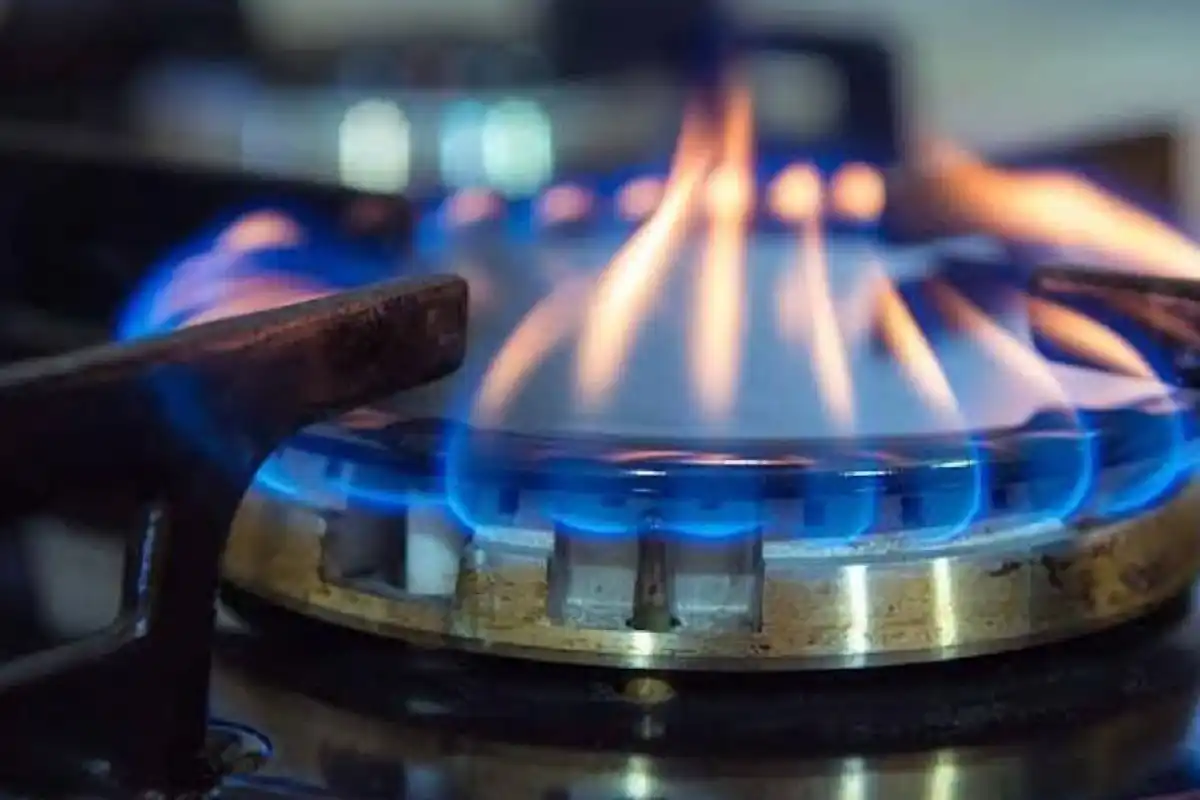
New gas connections banned again in Pakistan
The government has promised the IMF a fundamental restructuring of how energy subsidies work in Pakistan. The change will affect millions of gas consumers — and not equally.
Pakistan has committed to eliminating its Rs140 billion gas cross-subsidy system by January 2027, according to senior Petroleum Division officials, in a reform pledged to the IMF as part of the ongoing Extended Fund Facility program. The timeline is firm, the political cost is real, and the implications for ordinary households are significant enough that understanding the mechanics matters.
How the Current System Works — and Why It Is Considered Broken
Pakistan’s existing gas pricing structure operates on a cross-subsidy model: protected and some non-protected residential consumers receive gas at rates well below the average market tariff of Rs1,750 per MMBtu. The gap between what these consumers pay and actual cost recovery is not absorbed by the government directly — it is loaded onto industrial users, commercial consumers, CNG stations, the cement sector, and high-consumption residential users, who pay above-cost rates to compensate.
This architecture has three documented problems. First, it is economically inefficient — artificially cheap gas discourages conservation and distorts industrial competitiveness. Second, it is poorly targeted — the subsidy flows based on consumption category rather than income level, meaning middle-class and even upper-middle-class households with moderate gas usage receive the same protection as genuinely poor families. Third, it creates circular pressure on the energy sector’s financial viability by suppressing revenue across a large consumer base while concentrating cost recovery on sectors that increasingly seek alternatives or pass costs downstream.
What Replaces It
The replacement model shifts the subsidy logic from consumption-based to income-based. All consumers will pay a uniform average tariff — eliminating the cross-subsidy differential — while low-income households receive direct cash support rather than discounted utility rates. The BISP database, which already identifies and serves Pakistan’s poorest households through the Benazir Income Support Programme, will be used to determine eligibility for the replacement support.
This design mirrors reforms successfully implemented in several middle-income countries and aligns with the IMF’s standard prescription for energy subsidy rationalization: remove price distortions, compensate the vulnerable directly, and let market signals function across the broader consumer base.
Who Wins and Who Pays More
Low-income BISP-registered households should, in theory, be protected through the direct transfer mechanism. The losers are consumers who currently benefit from protected rates but are not poor enough to qualify for BISP support — a category that includes a substantial portion of Pakistan’s lower-middle and middle-income urban households who rely on gas for cooking and heating but fall outside the formal poverty identification system.
Industrial and commercial users, currently cross-subsidizing the system, may see some tariff relief as the distortion is unwound — though the net effect depends on how the uniform average rate is ultimately set.
The IMF Connection
This commitment sits within Pakistan’s broader EFF conditionality on energy sector viability — the same reform agenda attached to the $1.32 billion disbursement confirmed this week. January 2027 is not a suggestion. It is a program benchmark.
Disclaimer; Based on Petroleum Division official statements and IMF program documentation.
Catch all the Pakistan News, Breaking News Event and Trending News Updates on GTV News
Join Our Whatsapp Channel GTV Whatsapp Official Channel to get the Daily News Update & Follow us on Google News.
Must Read