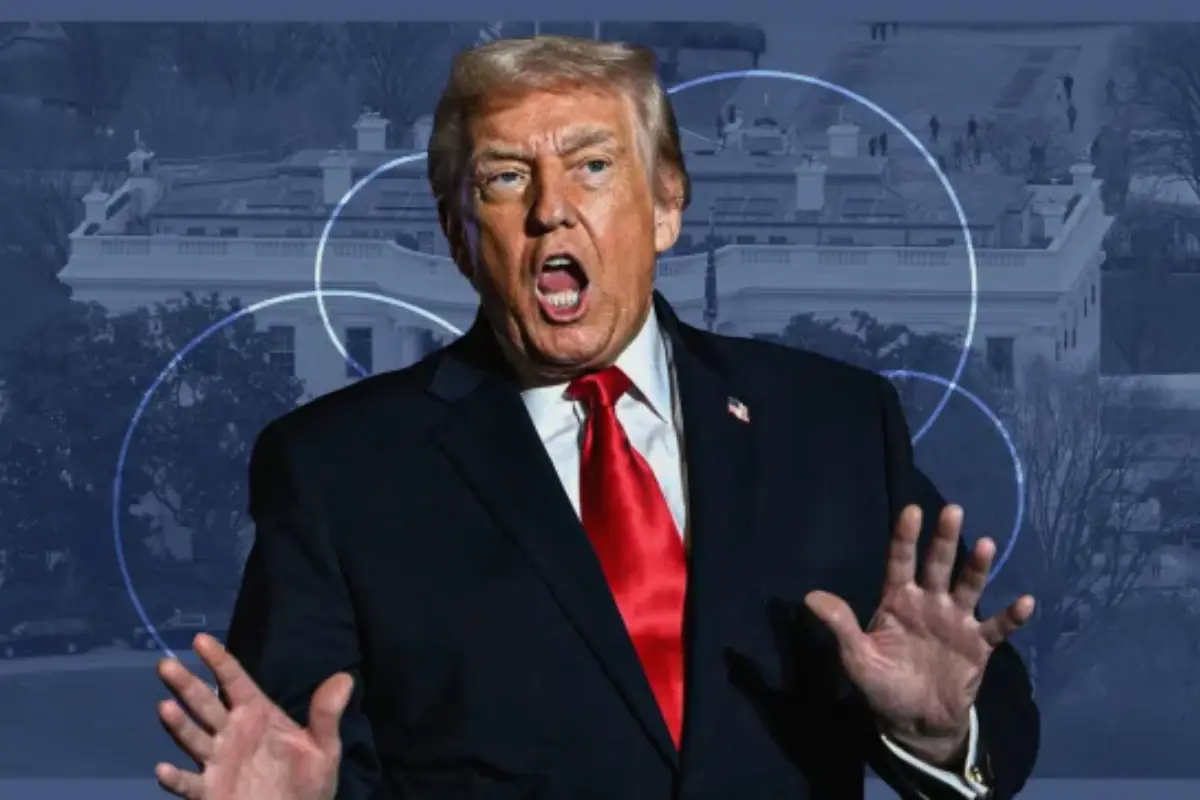
After returning to office on a rain-soaked January afternoon, Donald Trump moved swiftly to define a confrontational and highly consequential second presidency, one that has already reshaped political, economic, and diplomatic landscapes worldwide.
As the 47th President of the United States, Trump signaled the direction of his administration almost immediately, issuing a wave of controversial decisions. Among the most divisive was his decision to pardon individuals involved in the January 6 US Capitol riot, a move that drew sharp criticism while energizing his political base. The message from the White House was unmistakable: this presidency would operate on Trump’s terms, regardless of opposition.
Supporters portray the 79-year-old billionaire as a strategic negotiator intent on fulfilling his “Make America Great Again” agenda, while critics describe his leadership style as volatile. Nevertheless, Trump has been welcomed with full diplomatic honors by several nations eager to maintain favorable relations.
A notable example was his unprecedented second state visit to the United Kingdom in September, following a personal invitation delivered by Prime Minister Keir Starmer during a White House meeting. Trump was hosted by King Charles at Windsor Castle, underscoring the enduring—if evolving—special relationship between the two countries.
Foreign policy has been a defining feature of Trump’s second term. His administration suspended US military aid to Ukraine after a tense Oval Office meeting with President Volodymyr Zelensky, citing the need for a “pause and review.” The decision raised alarms across Europe, as Ukraine’s air defense capabilities were weakened amid ongoing Russian attacks.
Trade tensions have also intensified. Trump imposed sweeping tariffs on imports from China, followed by measures affecting Canada, Mexico, the UK, and the European Union. According to the Tax Foundation, these tariffs amounted to an average $1,100 annual tax increase per US household in 2025. Despite this, Washington and London later signed a trade agreement aimed at strengthening bilateral economic ties.
Domestically, immigration enforcement has been sharply tightened. The administration raised work visa fees, expanded deportations, and paused asylum processing for applicants from multiple regions. Immigration applications approved under the previous administration were placed under review, marking a significant policy reversal.
Trump’s use of social media has continued to generate controversy. Posts on Truth Social have drawn bipartisan condemnation, including remarks suggesting severe penalties for political opponents—statements the president later attempted to walk back.
Another persistent issue has been renewed scrutiny surrounding the Epstein files. While Trump had pledged transparency, the Justice Department initially declined further disclosures before lawmakers intervened and passed a resolution mandating their release. Trump has denied any wrongdoing, stating that his association with Epstein ended years before the financier’s arrest.
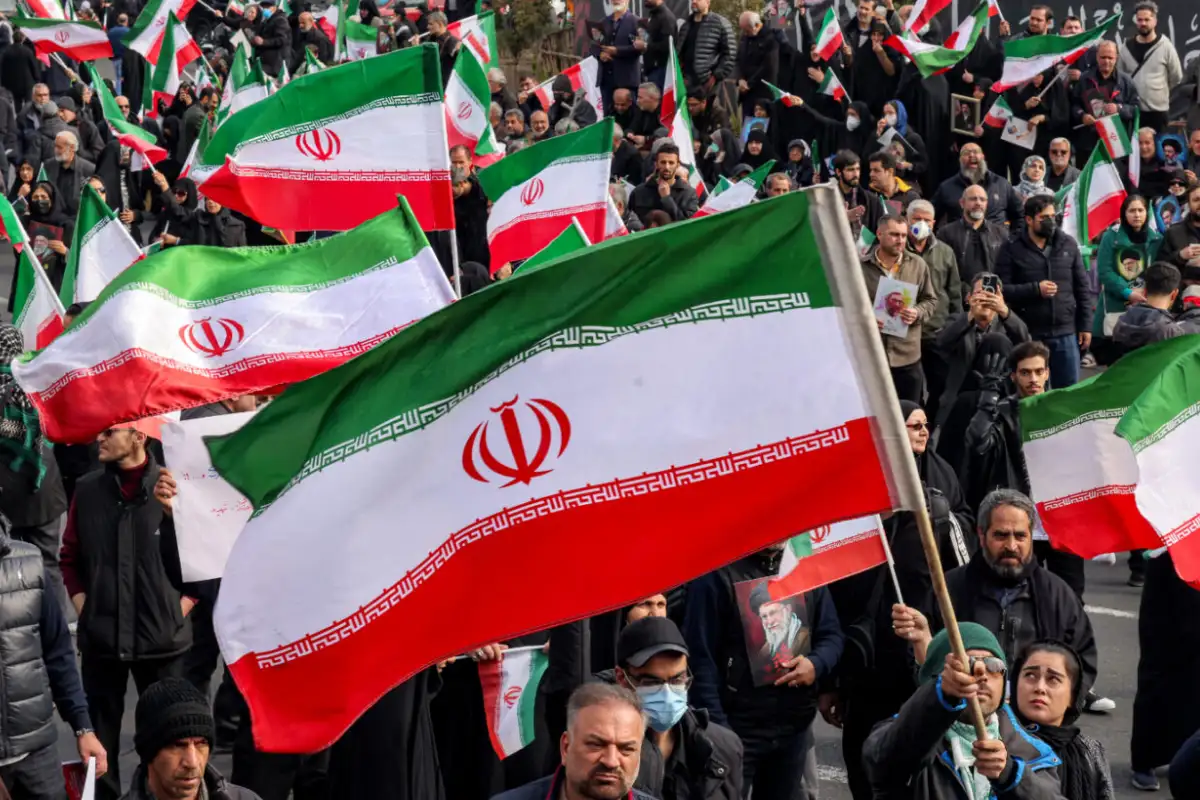
On the global stage, Trump has projected military strength, authorizing US airstrikes on Iranian nuclear facilities and seizing a Venezuelan oil tanker accused of transporting sanctioned oil. He has defended these actions as necessary to protect American interests.
Perhaps most controversial has been Trump’s approach to ending the war in Ukraine. His proposed peace framework, involving territorial concessions by Kyiv and abandonment of NATO ambitions, has been widely criticized as favoring Moscow. Analysts warn that this perceived alignment with Russia could strain alliances and shape geopolitical tensions well into 2026.
As Trump’s second term continues, supporters view his actions as decisive leadership, while critics warn of long-term consequences for democratic norms and global stability. What remains clear is that the impact of Trump’s 2025 presidency is already profound—and far from over.